Choosing SPC Plank Flooring isn't just about picking your favorite color, comparing prices, or looking at pretty room photos. A good, reliable choice really starts with understanding your space. Think about how much foot traffic there is, how much moisture the room gets, the sunlight coming in, the condition of your subfloor, and how you usually clean. For example, a busy hallway will need something different from a quiet guest room. Those small details really do matter.
Most experienced installers will check out things like the locking system, how thick the planks are, the wear layer, the stability of the core, and the installation instructions before they even recommend a product. They’ll also look for clear test results, warranty info, and care tips from the manufacturer. It’s worth asking for proof of resistance to water, stains, and everyday wear—don’t just rely on vague claims. And definitely ask for samples to see and feel them yourself.
Get a hands-on feel—touch the surface, inspect the edges, and check how the color looks in different lighting, like morning versus evening. Sometimes a showroom sample looks great, but once it’s next to your cabinets, it might seem different. I’ve seen people focus only on thickness and overlook poor subfloor prep, which can lead to movement, noise, or gaps down the line—things that are super easy to miss if you’re not careful.
To help you out, I’ve put together ten tips to compare SPC plank flooring with more confidence. These tips cover how the product performs in real life, potential installation issues, design options, what you’ll need to do for maintenance, and how trustworthy the supplier is. Remember, no flooring is perfect for every space. Even highly-rated options can end up disappointing if they’re installed wrong or used in the wrong way. So, take your time, check all the facts, and think beyond just how it looks—because the right choice depends on many factors.
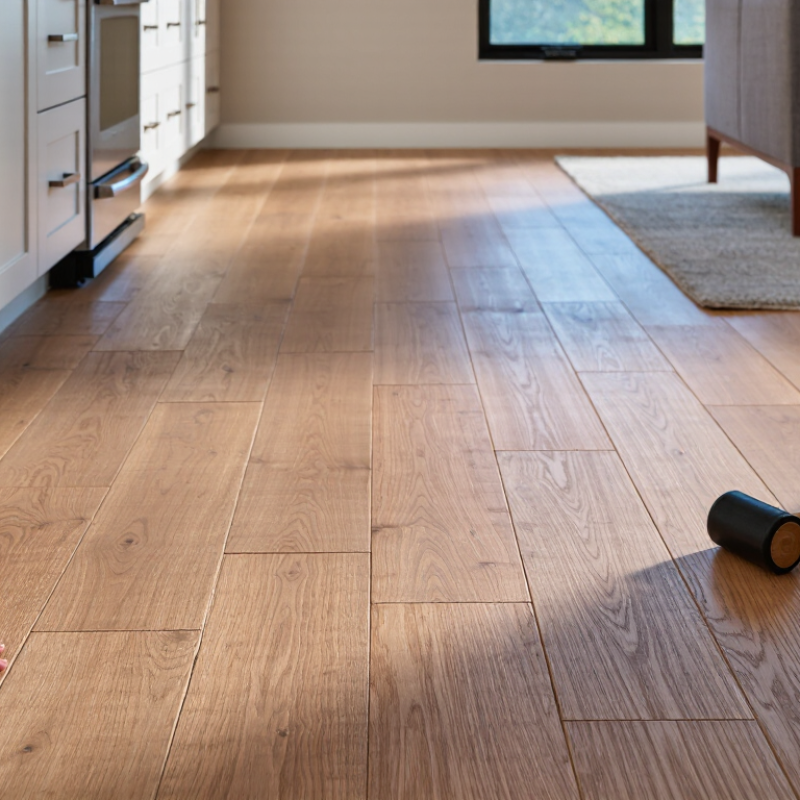
SPC plank flooring has a rigid core made from stone powder and polymer materials. This structure gives each plank strong dimensional stability. It resists dents from dining chairs, office wheels, and active household use. Many products also offer water-resistant surfaces, making them practical for kitchens and entryways. Still, “waterproof” does not mean every installation problem disappears.
Spc Click Plank Vinyl Flooring uses interlocking edges instead of traditional glue. The click system can speed up installation and create a clean, floating floor. However, the subfloor must be dry, firm, and reasonably level. Small bumps may cause movement or clicking sounds later. I have seen attractive floors fail because installers ignored this basic preparation. That detail deserves more attention.
Look closely at the wear layer, locking profile, plank thickness, and surface texture. A thicker wear layer can support heavier traffic, but it does not replace careful maintenance. Check whether attached underlayment is included, because extra padding may weaken the joints. SPC can feel harder and cooler than wood under bare feet. Rugs can improve comfort near beds and sofas. Color samples also matter; evening light may make a gray plank appear noticeably warmer. Ask for installation guidance and product testing information from a reliable supplier. Even strong flooring has limits.
Use measurable specifications to compare SPC plank flooring. The chart shows common market ranges for key dimensions; always confirm the exact values on the product technical sheet.
A thicker plank can improve rigidity, while a thicker wear layer generally provides better resistance to daily traffic. Check the locking system, dimensional stability, slip resistance, waterproof claims, underlayment compatibility, installation method, subfloor requirements, room conditions, warranty terms, and maintenance instructions.
Typical ranges shown: total thickness 4–8 mm, wear layer 0.3–0.7 mm, attached pad 1–2 mm, and plank width 180–230 mm. Actual specifications vary by product and installation system.
Choosing SPC plank flooring starts with the room, not the color sample. Record sunlight, temperature, humidity, and daily traffic for several days. Bathrooms, kitchens, and entryways need careful moisture planning, even with water-resistant flooring. A slow leak beneath cabinets can damage the subfloor and create persistent odors. Check door clearance too. Thick planks may need trimming or door adjustment.
The subfloor must be clean, dry, firm, and reasonably flat. Remove loose adhesive, dust, paint, and soft underlayment before installation. On concrete, use a suitable moisture test rather than trusting its appearance. Measure relative humidity or moisture content according to the flooring instructions and local practice. Wood subfloors deserve inspection for movement, squeaks, rot, and raised fasteners. Repair weak areas first. I have seen beautiful planks fail because a small ridge was ignored. That mistake is easy to repeat.
Check the installation limits for temperature, expansion gaps, and approved underlayment. Do not assume every SPC product handles uneven floors equally well. Use a long straightedge to find dips and ridges across the room. Correct substantial irregularities with an appropriate leveling method. Leave planks in the room only as directed; acclimation rules vary. A rushed installation can produce clicking sounds, open joints, or visible pressure points. Recheck the subfloor after repairs. It is tedious, but reliable.
Tip 1: Compare total plank thickness, not just the advertised wear layer. A thicker plank can feel steadier over minor subfloor imperfections.
Tip 2: Measure the wear layer in mils, and choose a heavier layer for busy homes, pets, or entryways.
Tip 3: Inspect the core density. A rigid, well-made core usually resists dents better than a lightweight one.
Tip 4: Check dimensional stability near windows, heating systems, and sunlit rooms. Heat changes materials.
Tip 5: Match the attached underlayment to your subfloor. It may improve comfort, but it cannot repair serious unevenness.
Tip 6: Examine locking joints closely. Tight connections reduce movement, though installation quality still matters greatly.
Tip 7: Request abrasion and indentation information from the supplier, not vague durability claims. Real test data is more useful.
Tip 8: Consider plank width and length. Wider planks look calm, but they can reveal uneven floors more clearly.
Tip 9: Read cleaning instructions before purchasing. Abrasive tools and excessive water can shorten the floor’s service life.
Tip 10: Keep spare planks after installation. Repairs happen, and later color matching may be difficult.
My practical mistake was focusing too heavily on thickness during one renovation. The thicker sample felt stronger, but its surface finish suited the room poorly.
Durability depends on the whole construction, installation, and daily use. Check samples under natural light. Floors are judged there.
Color affects how a room feels before furniture arrives. The 2024 Grand View Research report estimates the global luxury vinyl flooring market will grow at about 7.7% annually through 2030. That growth reflects practical demand, but visual judgment still matters. Pale oak tones can make a narrow hallway feel wider, while walnut shades add warmth to a large, bright room. Test samples beside your walls, cabinets, and daylight. Store lighting can mislead you.
Texture should support daily use, not only photographs. Embossed wood grain can hide dust and small scratches better than a perfectly smooth surface. I once chose a dramatic, deeply registered texture for a busy entryway; grit settled into the grooves faster than expected. A softer texture was easier to clean. Read the technical sheet carefully. Look for wear-layer thickness, slip-resistance information, and cleaning limitations. The Resilient Floor Covering Institute emphasizes following manufacturer care guidance, because harsh cleaners may damage the surface.
Plank dimensions change the room’s visual rhythm. Wider planks create fewer seams and suit open living areas, while narrower planks can make a small room feel more detailed. Long planks may require careful planning around doorways and closets. Measure twice. Also check the subfloor. The National Wood Flooring Association recommends controlling moisture before installation, and that principle remains useful for SPC projects. A plank may look perfect, yet uneven flooring can create movement, hollow sounds, or separated joints. Use samples, measurements, and realistic maintenance expectations together.
Choosing SPC flooring starts with water, not appearance. A Flooring Plank Spc sample may survive a spill, but the whole floor depends on joints, edges, and the subfloor. In a kitchen, I test samples by leaving them in a shallow tray overnight. Then I inspect swelling, locking strength, and surface changes. This is only a practical check, not a laboratory rating. Ask for technical data, water-resistance limits, and warranty conditions. “Waterproof” needs careful reading.
The installation system matters just as much. Click-lock planks can create tight seams when the subfloor is flat and clean. Adhesive systems may suit commercial areas, but they require careful spreading and curing. In bathrooms, seal perimeter gaps around fixtures and door frames. However, sealed flooring does not replace proper plumbing or drainage. Water can still travel beneath the surface through a poorly prepared edge. Small details decide performance.
Before installation, measure subfloor moisture with a suitable meter. Concrete may look dry while retaining hidden moisture. Check flatness with a long straightedge, and correct dips before laying planks. Leave the recommended expansion gap near walls, cabinets, and pipes. Do not force tight boards into corners. I once underestimated a doorway transition, and the final cut looked rushed. That mistake reinforced one lesson: installation instructions are technical guidance, not optional reading. A careful installer should also inspect several cartons for shade variation and damaged locking edges.
When choosing Spc Vinyl Flooring Plank, inspect its safety documentation before admiring the color. Ask for current test reports covering VOC emissions, slip resistance, fire performance, and formaldehyde limits. Requirements differ by region, so local building rules still matter. A trusted supplier should explain these results clearly, not hide behind technical terms. Check the product batch and installation instructions, too. A safe floor can perform poorly when fitted over damp or uneven subfloors.
Maintenance needs are easier to judge through real-life details. Look for a wear layer suited to foot traffic, pets, and rolling office chairs. I usually place a sample near a sunny window and wipe it after muddy shoes, cooking oil, and spilled water. Some surfaces clean quickly. Others show fine scratches or cloudy marks. Use a soft broom, a damp microfiber mop, and approved cleaners. Avoid excessive water. That mistake is common.
Warranty coverage deserves close reading. Confirm the period, wear protection, color-fading terms, and whether residential and commercial use are treated differently. Ask who pays for removal, replacement, or labor when a claim is accepted. Some warranties exclude moisture damage, poor subfloor preparation, and installation without expansion gaps. Keep invoices, photos, and unused planks in storage. This feels excessive until a repair is needed. I have also learned that attractive promises mean little without written conditions. A short warranty with clear obligations may be more reliable than a longer, vague one.
Choosing Spc Vinyl Plank Flooring requires more than comparing carton prices. Product quality affects repair frequency, comfort, and resale appeal. Grand View Research valued the global luxury vinyl tile market at approximately $24.2 billion in 2023. Its report forecasts a 7.7% annual growth rate through 2030, reflecting wider material choices and uneven quality. Check the wear layer, core density, locking profile, surface texture, and warranty exclusions. Ask for certified test results, not only attractive samples. Small details matter.
Installation costs can erase a cheap purchase. Measure twice. Add waste allowances for angled rooms, usually around 5% to 10%. Uneven subfloors may require grinding or leveling before installation. That preparation often costs more than expected. Compare professional labor with your own time, tool rental, furniture moving, and disposal fees. My own mistake was ignoring door clearance; one extra millimeter caused an inconvenient adjustment. Leave proper expansion gaps, especially near sunny windows.
Long-term value depends on moisture performance, indoor emissions, and maintenance. The U.S. Environmental Protection Agency reports that indoor pollutant levels can be two to five times higher than outdoor levels. Select flooring supported by independent low-emission testing, clear installation instructions, and replacement-plank availability. Avoid judging durability by thickness alone. A thicker board can still have a weak locking edge. Review ASTM-based performance testing where available, including wear, dimensional stability, and slip resistance. A lower initial price may look sensible, but repeated repairs, visible seams, or difficult cleaning can change the calculation.
Compare total thickness, wear-layer thickness, and core density. A thicker plank may feel steadier over minor subfloor imperfections. A heavier wear layer suits busy homes, pets, and entryways. Thickness alone can mislead.
Measure it in mils, rather than trusting general durability claims. A thicker wear layer usually handles abrasion better. Ask for abrasion and indentation test data. Vague promises are not enough.
Test samples beside walls, cabinets, and windows. Pale oak tones can make narrow hallways feel wider. Walnut shades can warm large, bright rooms. Natural light matters most.
Wider planks create fewer seams and suit open living areas. Narrower planks can add detail to smaller rooms. Long planks require careful planning around closets and doorways. Measure twice.
The planks may resist spills, but joints and edges remain important. Test samples in shallow water overnight as a practical check. Inspect swelling, locking strength, and surface changes afterward. This is not laboratory proof.
Check moisture with a suitable meter, especially over concrete. Use a long straightedge to find dips and uneven areas. Correct serious unevenness before laying the planks. Underlayment cannot fix major defects.
Click-lock systems need a clean, flat subfloor for tight seams. Adhesive systems require careful spreading and curing. Leave recommended gaps near walls, cabinets, pipes, and door frames. Do not force boards into corners.
Follow the cleaning instructions and avoid abrasive tools. Use limited water during routine cleaning. Keep spare planks after installation for future repairs. Color matching later may be difficult. I once focused too much on thickness.
Choosing Spc Plank Flooring requires more than selecting an attractive pattern. Begin by understanding its rigid core structure and key benefits, then assess the room’s moisture levels, traffic, temperature changes, and subfloor condition. Compare plank thickness, wear-layer strength, and overall durability to ensure the flooring can handle daily use. Colors, textures, and plank dimensions should match the room’s style while supporting a balanced visual effect.
Waterproof performance and the installation system are also important, especially in kitchens, bathrooms, and busy areas. Check whether the locking design is suitable for the project and confirm that safety standards, maintenance requirements, and warranty coverage meet your expectations. Finally, consider the complete cost, including materials, preparation, installation, and future upkeep. A slightly higher initial investment may offer better stability, easier maintenance, and longer service life, making the flooring a more valuable choice over time.