Picking the best Spc Plank Flooring in 2026 isn’t just about flipping through colors, checking prices, or looking at online reviews. It’s really about digging a little deeper—checking the performance data, understanding the installation conditions, and thinking about how it’ll hold up over the long haul.
According to the Grand View Research report on luxury vinyl tiles, resilient flooring is booming worldwide, thanks to renovations and better product tech. Fortune Business Insights even predicts this market will keep growing through 2032. All that growth sounds great, but it doesn’t automatically mean every plank will last. That’s where careful evaluation becomes key.
Ryan Fasan, a flooring expert, puts it nicely: “SPC is a very dense, rigid material that offers excellent dimensional stability.” Basically, that’s why so many folks—homeowners, store owners, and even business folks—are into stone plastic composite cores. But here’s the thing—rigidity isn’t the whole story. Comfort, sound absorption, and secure locking joints still depend on other factors. If you’ve got an uneven subfloor, you might see some movement. Or, even if a sample looks stunning, it could feel cold underfoot. Details like these really matter.
In this guide, I’m breaking down things like wear layers, core density, click systems, underlayment, water resistance, emissions info, and warranty details. We’ll also look at real-life experiences—like what happens when you roll an office chair over it, if pets scratch it, how sunlight near glass doors affects it, and how it holds up with regular cleaning. Whenever possible, check for independent certifications and test reports to back up what the seller claims—product info can sometimes be incomplete, so be honest with yourself about that.
Remember, the thickest or most expensive SPC flooring isn’t necessarily the best choice. The right product depends on your room, how you plan to install it, how much foot traffic it’ll see, and how much maintenance you’re willing to do. When 2026 rolls around, smart buyers will look beyond just the looks—they’ll compare the facts and figures to make a truly informed decision.
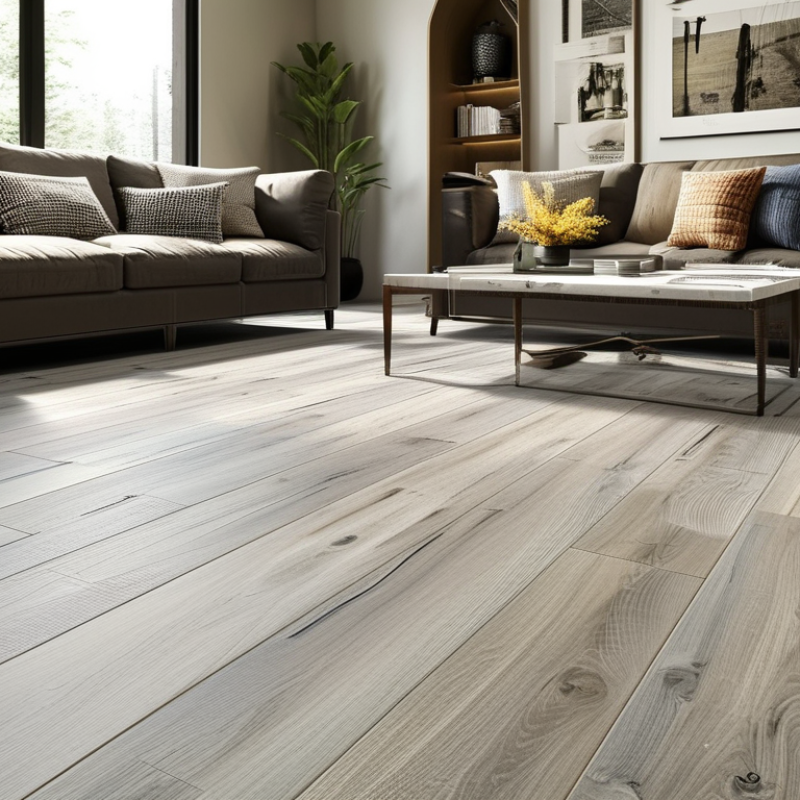
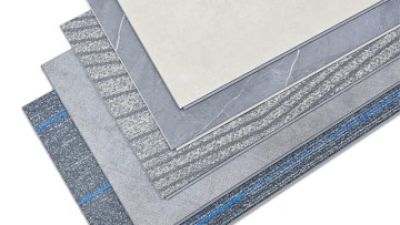
SPC plank flooring is a rigid-core floor made from stone powder, polymer, and stabilizers. The core gives each plank unusual density and dimensional stability. A printed film creates the wood or stone appearance. A protective wear layer helps resist scuffs, stains, and daily moisture. Unlike soft vinyl, SPC feels firmer underfoot. It is not solid stone, however. That distinction matters when comparing comfort, sound, and repair options.
Most planks use a click-lock edge, so the joints interlock without wet adhesive. Spc Click Plank Vinyl Flooring can float over a clean, dry, reasonably level subfloor. As temperatures change, the floor expands slightly, while the perimeter gap allows movement. Underlay may improve sound, but some products already include it. Follow the installation sheet. Small errors at doorways can become visible weeks later.
When assessing options in 2026, inspect core thickness, wear-layer rating, locking precision, and indoor-air documentation. Request samples and place them near a window; low-quality print can look artificial in daylight. Check moisture conditions, especially around bathrooms and entryways. I have seen dense planks hide uneven subfloors at first, then reveal ridges under morning light. That experience is easy to overlook. Rigid does not mean indestructible; heavy furniture, grit, and poor preparation still cause damage.
When choosing Flooring Plank Spc in 2026, inspect the core before judging its appearance. A dense stone-polymer core should resist dents from chair legs and daily foot traffic. Ask for dimensional-stability test results, not only marketing claims. ASTM F3261 and ISO 10582 provide useful reference points for resilient flooring performance.
The wear layer matters. Residential products commonly use 0.3–0.5 millimeters, while demanding areas may need more. Thickness alone is not enough. Check abrasion results, surface texture, and stain resistance together. A 2024 Fortune Business Insights report valued the global resilient flooring market at USD 40.59 billion in 2023. Rapid market growth can increase product variety, but it can also reward rushed quality control.
Click-lock accuracy is another defining feature. Place two planks together and inspect the seam under bright light. Uneven edges may invite moisture and dirt. The subfloor still matters. SPC cannot hide major dips, loose boards, or excessive moisture. Look for verified emissions testing, such as FloorScore or equivalent indoor-air-quality documentation. The U.S. Environmental Protection Agency reports that indoor pollutant levels can be two to five times higher than outdoors. That makes low-emission materials worth checking carefully. Acoustic backing can soften footsteps, though it cannot fix a weak core or poor installation. I would not trust an impressive warranty without examining exclusions. Some details are easy to miss.
Which Core Features Define High-Quality SPC Flooring?
The chart uses an indicative 100-point evaluation model based on practical residential and light-commercial purchasing priorities. Water resistance, wear-layer protection, dimensional stability, structural thickness, and locking performance are key factors when comparing SPC planks. Typical quality checkpoints include a 20 mil or thicker wear layer, a rigid core around 5–6.5 mm overall thickness, low water absorption, stable dimensions, and a secure click-lock system. Scores are guidance values rather than brand or laboratory test results.
When comparing SPC plank flooring, start with thickness, but do not treat it as the only durability measure. Planks usually range from 4 to 8 millimeters. Thicker flooring can feel more stable underfoot and hide minor subfloor unevenness. However, a thick plank with a weak locking system may still separate. Check the core density, click profile, and installation instructions. A smooth, firm subfloor matters more than many buyers expect.
The wear layer protects the printed surface from scratches, scuffs, and daily traffic. For bedrooms, a 12-mil layer may be adequate. Busy hallways, kitchens, and commercial areas often need 20 mil or more. Ask for abrasion test results, not vague claims like “heavy duty.” Durability also depends on dimensional stability, water resistance, and resistance to fading near windows. A beautiful sample can mislead. Sunlight and chair movement reveal weaknesses later.
Tips: Compare samples under natural light. Press the locking edges together by hand. Look for gaps or raised seams. Measure the subfloor before ordering. Leave the required expansion space around walls. Do not assume waterproof means installation-proof; standing water can still enter poorly sealed edges. I would also question unusually low prices, although price alone does not prove quality. Technical data sheets and clear warranty conditions provide stronger evidence than advertising language. Even experienced installers occasionally underestimate floor preparation. That mistake is expensive.
Choosing the best Spc Vinyl Flooring Plank starts with the room, not the showroom photograph. Grand View Research estimates that the global luxury vinyl tile market will continue growing strongly through 2030, reflecting demand for realistic wood visuals and practical maintenance. Yet a popular look can still fail in a narrow hallway.
For compact rooms, lighter oak tones and 6- to 7-inch planks can make the floor feel more open. Wider planks create fewer seams, but they may emphasize uneven subfloors. Measure the room carefully. A 48-inch plank often suits bedrooms, while 60-inch formats can look calmer in open living areas. I have found that digital images hide color shifts. Always inspect samples beside walls and furniture.
Surface finish changes daily performance. A low-gloss embossed finish usually hides dust, footprints, and minor scratches better than a highly polished surface. Wire-brushed textures add visual depth, but deep grooves can collect grit near entrances. Industry testing commonly evaluates abrasion, slip resistance, and dimensional stability under standards such as ASTM F3261. Ask for test documentation, not vague claims. Check wear-layer thickness, click-joint design, and installation tolerances together. One detail is easy to overlook: rigid SPC cannot correct a badly prepared subfloor. That mistake costs more than choosing the wrong color.
Installation method should match the room, subfloor, and repair expectations. Click-lock SPC usually floats without adhesive. It installs quickly and allows individual planks to be replaced later. Leave the specified expansion gap around walls, cabinets, and door frames. A common detail is 6 millimeters, but the flooring instructions control.
Glue-down SPC can reduce movement in large commercial areas. It demands more precise adhesive coverage and stronger surface preparation. Loose-lay products may simplify temporary projects, though seams can shift on uneven floors. They are not always the safest choice.
Subfloor preparation matters more than plank thickness. ASTM F710-22 requires concrete floors to be clean, dry, smooth, and structurally sound. Most installation manuals limit unevenness to about 4.8 millimeters across 3 meters. That is easy to miss beside a doorway.
ASTM F2170 testing measures concrete’s internal relative humidity; many SPC specifications allow roughly 75% to 85% RH. Verify the exact limit before installation. Wood subfloors should be securely fastened, with protruding screws removed and damaged panels replaced. Do not use SPC to hide major dips.
I learned this the hard way.
A floating floor can amplify small subfloor defects through clicking sounds and visible joint stress. The 2024 Resilient Floor Covering Institute guidance also emphasizes acclimation, perimeter clearance, and manufacturer-specific moisture limits.
Record moisture readings, room temperature, and expansion gaps before laying the first plank. Those notes feel excessive, but they protect the installation when conditions change.
Choosing the best Spc Vinyl Plank Flooring in 2026 requires more than comparing colors and prices. Safety should guide the decision. Request current third-party test reports for emissions, slip resistance, and fire performance. Check whether the product meets recognized regional standards. A dense core, stable locking system, and suitable wear layer can reduce movement and surface damage. Still, no floor is completely risk-free. Wet shoes, loose rugs, and poor installation can create hazards.
Maintenance should fit your daily routine. Sweep grit from entryways before it scratches the wear layer. Use a damp microfiber mop and a cleaner approved for resilient flooring. Avoid steam, abrasive powders, and excessive water around seams. In a kitchen, wipe spills quickly, especially near cabinets. Water resistance helps, but it does not excuse a damp subfloor or careless installation.
Tips: Place felt pads under chair legs. Keep spare planks for future repairs. Ask for a sample and leave it near a sunny window for several days. Check color changes, odor, and edge stability. Compare the full cost, including underlayment, preparation, labor, and waste. A longer warranty may support value, but read its exclusions carefully. I have seen inexpensive floors become costly after uneven subfloors caused clicking sounds. The lesson is imperfect but useful: product quality cannot correct poor preparation. Choose verified performance over attractive claims.
| Evaluation Dimension | What to Check | Practical Benchmark or Typical Range | Why It Matters for Safety, Maintenance, and Value | Assessment |
|---|---|---|---|---|
| Floor Construction | Confirm the product has a rigid stone-polymer composite core, a transparent wear layer, a printed decorative layer, and an attached pad if included. | Rigid-core SPC products commonly use a mineral-filled PVC-based core. Construction should be consistent across samples, with no visible gaps, soft spots, or delamination. | A stable multi-layer structure helps limit movement, protects the visual surface, and reduces the likelihood of premature replacement. | Verify by Sample |
| Wear-Layer Thickness | Check the clear protective layer thickness separately from total plank thickness. | Common residential specifications are approximately 6–20 mil, or about 0.15–0.50 mm. Higher thickness generally provides more wear margin, but installation and cleaning also affect service life. | A thicker wear layer can improve resistance to scuffing and traffic wear in hallways, kitchens, and living areas. | Higher Is Usually Better |
| Total Plank Thickness | Measure the complete plank, including the attached underlayment if supplied. | Many SPC planks are approximately 4–8 mm thick. Thickness alone does not prove quality; core density, locking strength, and subfloor preparation are equally important. | Thicker products may feel more substantial and can provide greater tolerance for minor subfloor imperfections, within the installation instructions. | Compare as a System |
| Indoor-Air-Quality Evidence | Request an emissions report or an independent low-emission certification. Check the test standard, product scope, and report date. | Prefer documented compliance with recognized indoor-emission requirements, such as applicable VOC-emission testing under current regional standards. Do not rely only on terms such as “eco-friendly” or “non-toxic.” | Flooring, coatings, and adhesives can contribute to indoor emissions. Independent documentation provides more reliable evidence than marketing language. | Documentation Required |
| Phthalates and Restricted Substances | Ask for a current restricted-substance declaration or laboratory report covering the flooring and attached pad. | Look for compliance with the regulations applicable to the installation market, including limits on restricted chemicals. The report should identify the tested product and date. | Testing helps reduce uncertainty about materials that may be regulated or restricted in residential and commercial interiors. | Documentation Required |
| Slip Resistance | Review wet and dry slip-resistance results using a named test method. Consider bathrooms, entrances, kitchens, and other moisture-prone areas. | Where applicable, compare results with the project’s local building-code or flooring-specification requirements. A commonly referenced benchmark for level interior walking surfaces is a wet DCOF of 0.42 or greater under ANSI A326.3, but suitability depends on the test method and application. | Surface texture, contamination, footwear, and water all influence slip risk. No flooring is automatically slip-proof. | Application Specific |
| Water Resistance | Check the installation instructions for water exposure, perimeter sealing, wet-area limitations, and maximum allowed subfloor moisture. | SPC itself is generally water-resistant, but joints, edges, subfloors, and standing water can still create problems. “Waterproof” claims should be supported by defined test conditions and warranty terms. | Water-resistant planks do not eliminate the risk of trapped moisture, mold-supporting conditions, or subfloor damage. | Read the Conditions |
| Dimensional Stability | Request results for heat exposure, dimensional change, and locking-system performance under the relevant flooring standard. | Use the manufacturer’s stated test method and acceptance limit; do not compare percentages from different methods as if they were equivalent. Expansion gaps and temperature limits must follow the installation guide. | Excessive movement can lead to gapping, peaking, joint stress, or visible buckling, especially near windows and large glass doors. | Critical for Sunlit Areas |
| Surface Scratch and Stain Resistance | Review standardized scratch, stain, chemical-resistance, and abrasion results. Inspect a sample under strong light. | Look for a clearly stated test method and rating rather than an unsupported claim such as “scratch-proof.” Dark, glossy, and heavily textured surfaces may show marks more readily. | Good surface resistance reduces cleaning effort and helps preserve appearance, but furniture pads and protective mats remain necessary. | Compare Test Methods |
| Locking-System Quality | Dry-fit several planks. Check whether end joints close evenly, remain flush, and resist separation when lifted according to the instructions. | Joints should be uniform, free of broken corners, and compatible with the specified installation pattern. Never force damaged boards into place. | Reliable joints reduce gaps and edge damage. Poor subfloor flatness can compromise even a well-designed locking system. | Inspect Before Installation |
| Subfloor Requirements | Check flatness, cleanliness, dryness, structural soundness, and compatibility with existing flooring or underlayment. | Follow the product-specific flatness tolerance and moisture limits. Many rigid-flooring instructions require a smooth, clean, and level surface; tolerances vary by product. | Subfloor preparation is one of the strongest predictors of joint performance, noise, comfort, and long-term appearance. | Installation Critical |
| Routine Maintenance | Confirm approved cleaners, cleaning frequency, furniture protection, and restrictions on steam cleaners or abrasive tools. | Use regular dry dust removal, promptly wipe spills, and damp-mop with a pH-neutral cleaner approved for resilient flooring. Avoid excess water, wax, oil soap, and abrasive powders unless specifically permitted. | Correct cleaning protects the wear layer and prevents residue buildup, staining, and premature dulling. | Low Routine Effort |
| Noise and Comfort | Check whether an attached pad is included and whether additional underlayment is allowed. Compare sound test results where relevant. | Rigid SPC can feel harder and sound louder than softer flooring. Acoustic performance depends on the plank, pad, subfloor, room geometry, and installation quality. | Choosing an incompatible extra underlayment may damage joints or void coverage, while a suitable acoustic layer can improve comfort and impact sound. | Check Compatibility |
| Repairability | Determine whether individual planks can be replaced and whether spare material is available from the same production lot. | Keep approximately 5–10% extra material for cutting waste and future repairs, adjusted for room shape and installation pattern. | Replaceable planks can extend the useful life of the floor and avoid full-room replacement after localized damage. | Plan for the Future |
| Warranty Quality | Read exclusions for moisture, sunlight, commercial traffic, installation defects, subfloor conditions, and improper cleaning. | A useful warranty clearly states coverage period, wear-through definition, installation requirements, claim procedure, and whether labor is included. | A long warranty has limited value if exclusions are broad or required installation records and maintenance procedures are unclear. | Read Fine Print |
| Lifecycle Cost | Calculate material, underlayment, transition profiles, delivery, installation, subfloor preparation, maintenance supplies, and expected repair or replacement costs. | Estimated lifecycle cost = initial purchase + preparation + installation + maintenance + expected repairs − residual value. Compare products over the same service period, such as 10 or 15 years. | The lowest purchase price may not be the lowest long-term cost if it requires more preparation, repairs, or early replacement. | Use Total Cost |
| Environmental End-of-Life | Check recycled content claims, packaging information, product declarations, and local disposal or recycling options. | Prefer verifiable environmental data, such as a product-specific environmental declaration where available. Avoid assuming that every vinyl-based floor is accepted in municipal recycling programs. | Transparent environmental information supports more responsible purchasing and disposal decisions. | Verify Locally |
SPC interlocking vinyl flooring is a rigid Stone Plastic Composite solution designed for demanding residential and commercial environments. Its core combines stone powder, polymers, stabilizers, and softeners, processed through high-temperature extrusion to create a dense, stable structure. Compared with conventional vinyl or laminate flooring, SPC offers strong resistance to impact, wear, moisture, and daily pressure. The interlocking installation system allows efficient fitting without extensive adhesive use, while its dimensional stability helps reduce concerns caused by temperature or humidity changes.
Waterproof performance is one of the main reasons SPC flooring is gaining attention in China and international markets. It can be used in living areas, kitchens, bathrooms, offices, retail spaces, and hospitality projects when installed according to suitable technical requirements. Current market trends highlighted in industry research increasingly emphasize low-emission materials, recyclable production practices, and responsible sourcing. As a result, manufacturers and suppliers are developing SPC products with improved indoor-air-quality performance, realistic wood and stone patterns, and enhanced fire-safety characteristics. Buyers seeking reliable flooring should evaluate product density, wear-layer thickness, locking precision, slip resistance, certifications, and factory quality-control procedures before selecting a supplier.
SPC flooring has a rigid core made from stone powder, polymer, and stabilizers. It is not solid stone. A printed layer creates wood or stone visuals, while a wear layer resists scuffs and stains.
Most planks use click-lock edges that interlock without wet adhesive. They can float over a clean, dry, reasonably level subfloor. Leave a perimeter gap for slight expansion. Small doorway mistakes may appear weeks later.
SPC handles daily moisture better than many softer flooring types. However, seams, edges, and subfloor moisture still require attention. Check bathrooms and entryways carefully. Water resistance is not unlimited.
Inspect core thickness, wear-layer thickness, locking precision, and indoor-air documentation. Request samples and view them beside a window. Poor digital printing may look artificial in daylight. Appearance can mislead.
Residential products commonly use wear layers between 0.3 and 0.5 millimeters. Busy areas may need greater protection. Thickness alone does not prove quality. Also check abrasion, stain resistance, and surface texture.
SPC may hide small imperfections temporarily, but it cannot correct major dips or ridges. Uneven areas can become visible under morning light. Loose boards and excess moisture should be fixed before installation. Rigid does not mean indestructible.
Lighter tones and narrower planks can make compact rooms feel more open. Wider planks create fewer seams but may reveal uneven floors. Longer planks can look calmer in open living areas. Measure carefully. Samples are more reliable than photographs.
Low-gloss embossed finishes usually hide dust, footprints, and minor scratches effectively. Wire-brushed textures add depth but may collect grit near entrances. Highly polished surfaces can show marks more easily. I might overvalue appearance sometimes. Daily cleaning matters more.
Choosing the best Spc Plank Flooring in 2026 requires more than selecting an attractive color. SPC, or stone plastic composite, flooring uses a dense, rigid core designed to provide dimensional stability, moisture resistance, and reliable performance in busy areas. When comparing products, consider core quality, overall plank thickness, wear-layer strength, surface protection, and warranty terms. A thicker construction and durable wear layer generally offer better resistance to daily traffic, scratches, and impact, but the right choice should match the room’s use and budget.
Design, plank size, texture, and finish should complement the space while providing comfortable underfoot performance and suitable slip resistance. Before installation, check whether the product supports click-lock or glue-down methods and ensure the subfloor is clean, dry, level, and structurally sound. Long-term value also depends on safe material composition, low-maintenance cleaning, stable performance, and easy repair or replacement. By evaluating these factors together, homeowners can select flooring that balances appearance, durability, installation convenience, safety, and lasting value.