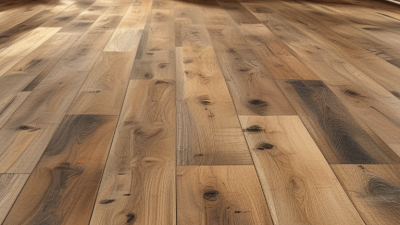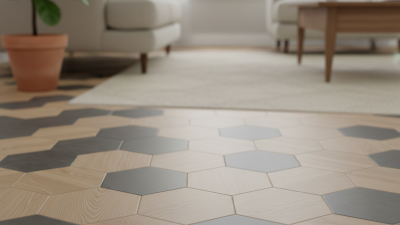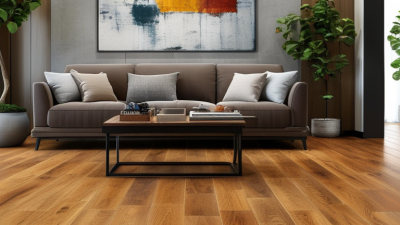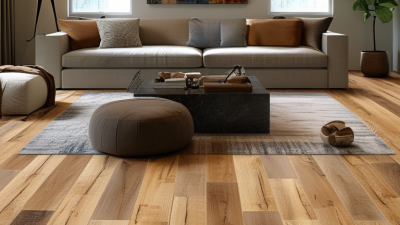
For folks shopping globally for the perfect Pvc Planks, picking the best one isn’t just about glancing at colors, prices, or those shiny product photos. Flooring expert Michael D. Schaffer puts it simply: “A reliable plank isn’t judged just by a glossy sample — it’s based on the whole system.” That really hits home because, honestly, how well the flooring performs depends on several factors—like the wear layer, the stability of the core, how the locking profile works, the backing support, and the environment where you install it.
Starting off on the right foot means asking for proof. Buyers should definitely request technical specs, abrasion test results, measurements of how stable the plank stays over time, and fire safety info straight from the manufacturer. A sample might look amazing under showroom lights, but don’t be fooled — it could behave totally differently after weeks of heat, humidity, or constant traffic with carts and trolleys. Take a close look at the plank’s thickness, wear layer, surface texture, and how precise the clicking mechanism is. And don’t forget to check out the packaging too—crushed corners might be a sign that the packaging or handling during shipping wasn’t great.
Manufacturers like Guangdong Everwood Flooring or Jiangsu GreenStep Materials might produce different levels of quality, but just knowing their names isn’t enough. It’s way more important to look into factory audits, consistent batch records, clear warranty info, and how they handle after-sales support. Also, ask if they control color consistency across batches and how they handle replacement cartons if needed.
Remember, the “best” Pvc Plank isn’t always the cheapest or the thickest. A thicker plank could still struggle if the locking system isn’t well designed. And even a top-tier surface won’t hold up if the subfloor isn’t prepared properly. That’s where honest reflection comes into play—product quality is just part of the story. Consider other things like how freight protection is handled, whether the installer has proper training, how adaptable the product is to your climate, and routine maintenance. Sometimes, the tiny details make the biggest difference—those little things could be the deal-breakers in the long run.
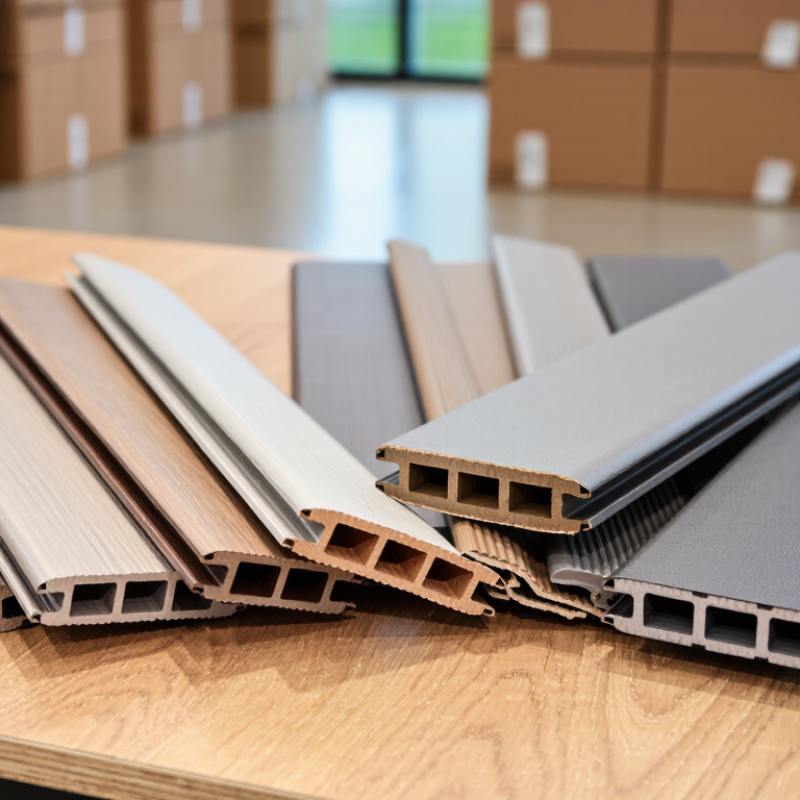
PVC planks are resilient flooring boards made mainly from polyvinyl chloride, stabilizers, and decorative films. They imitate timber grain without the swelling risks of unfinished wood. Global buyers often choose them for apartments, retail spaces, and light commercial interiors. Installation can be floating, glued, or click-lock, depending on the construction. A 3-millimeter plank feels different underfoot from a rigid-core product. That detail matters during specification.
Market evidence supports this interest. Grand View Research reports that the global luxury vinyl tiles market reached about USD 24 billion in 2023 and may grow strongly through 2030. PVC planks sit within this broader resilient-flooring category. Buyers value moisture resistance, consistent dimensions, and simpler maintenance. However, “waterproof” needs careful reading. Seams, subfloors, and poor installation can still allow damage. PVC also feels less natural than solid Wood Planks, especially in quiet residential rooms.
Tips: Request technical sheets, wear-layer thickness, slip resistance, and installation guidance before ordering. Check testing against ISO 10582 or relevant regional standards. Ask for batch samples in daylight. Color variation may appear after production. Also review carton dimensions and pallet weight. Freight costs can change the final price considerably. In my experience, a sample with a chair leg, damp cloth, and side lighting reveals more than a glossy catalog image. No material is perfect. That practical test is often overlooked.
China PVC planks serve very different needs across commercial and residential projects. Luxury vinyl planks with rigid cores suit offices, hotels, and retail spaces needing strong dimensional stability. They handle busy foot traffic and resist minor subfloor movement. For apartments and houses, flexible PVC planks can offer easier installation and softer underfoot comfort. They work well in bedrooms, corridors, and light-use living areas.
Commercial buyers should examine wear-layer thickness, slip resistance, fire performance, and cleaning requirements. A thicker wear layer usually supports longer service in shops and public buildings. Residential buyers may value realistic wood textures, acoustic backing, and low-maintenance surfaces more highly. Waterproof construction helps kitchens and bathrooms, but installation quality still matters. Water can enter through poorly sealed joints.
Tips: Request full samples, technical sheets, and test reports before ordering. Compare color batches under daylight. Check carton protection for long-distance shipping. Confirm click-lock tolerance and expansion guidance. Small defects become expensive during large installations.
Specifications can look impressive on paper. They do not replace factory inspection. I would test several planks after temperature and humidity exposure. Some products perform well initially but show edge gaps later. Local climate, installer skill, and subfloor condition can change the result. Choose the plank type around actual use, not appearance alone.
| PVC Plank Type | Typical Construction | Common Thickness | Typical Wear Layer | Best-Fit Applications | Key Advantages | Main Limitations | Typical Installation | Performance Class to Request | Global Buyer Checklist |
|---|---|---|---|---|---|---|---|---|---|
| Dry-Back Luxury Vinyl Plank (LVT) | Flexible PVC/vinyl plank with a printed décor layer, transparent wear layer and backing layer. | 2.0–3.0 mm | 0.20–0.55 mm (approximately 8–22 mil) |
Apartments, bedrooms, retail stores, offices and renovation projects with a well-prepared subfloor. | Wide design choice, low profile, efficient material use and easy replacement of individual planks. | Requires a smooth, dry and level subfloor; unevenness may telegraph through the plank. Usually needs adhesive. | Full-spread pressure-sensitive or wet-set adhesive over a prepared subfloor. | Residential: Class 23 Commercial: Class 31–34 |
Confirm adhesive compatibility, dimensional stability, residual moisture limits and subfloor preparation requirements. |
| Rigid-Core SPC Plank | Stone-polymer composite core with décor film, wear layer and often an attached underlay. | 4.0–6.5 mm | 0.30–0.70 mm (approximately 12–28 mil) |
Busy homes, apartments, offices, retail areas, hospitality spaces and other floating-floor projects. | High dimensional stability, strong indentation resistance, fast click installation and good resistance to everyday moisture. | Harder underfoot than WPC; can reflect subfloor irregularities if the base is not adequately prepared. Direct sunlight and high heat require expansion planning. | Floating click system, normally installed over an approved underlay or attached pad. | Residential: Class 23 Commercial: Class 32–34 |
Check click-lock strength, core density, thermal expansion guidance, locking tolerances and underlay specifications. |
| Rigid-Core WPC Plank | Wood-plastic or polymer composite core with a resilient structure, décor layer and transparent wear layer. | 5.0–8.0 mm | 0.30–0.55 mm (approximately 12–22 mil) |
Living rooms, bedrooms, boutique retail, hotel rooms and areas where walking comfort is important. | More cushioned and quieter underfoot than many SPC products; floating installation and strong design flexibility. | Generally less resistant to heavy point loads and temperature extremes than a well-engineered SPC product; product-specific limits apply. | Floating click system, typically with integrated or separate underlay. | Residential: Class 23 Commercial: Class 31–33 |
Verify compression resistance, castor-chair suitability, temperature range and whether the attached pad is approved for the locking system. |
| Loose-Lay Vinyl Plank | Dimensionally stable flexible plank with a high-friction backing; may use perimeter or pressure-sensitive adhesive in larger areas. | 3.0–5.0 mm | 0.30–0.70 mm (approximately 12–28 mil) |
Retail remodels, temporary commercial interiors, offices and spaces requiring selective plank replacement. | Fast installation, limited adhesive use, reduced downtime and convenient access to the subfloor. | Needs a very flat and clean base; movement, rolling loads and large open areas may require additional adhesive. | Loose-lay installation with perimeter, grid or full-spread adhesive according to the manufacturer’s instructions. | Residential: Class 23 Commercial: Class 31–34 |
Request movement limits, adhesive zones, rolling-load test results, plank weight and dimensional stability data. |
| Homogeneous Vinyl Plank or Tile | Single-layer PVC construction with color and pattern distributed through the product; plank formats are less common than tiles or sheets. | 2.0–3.0 mm | Wear-through resistance comes from the homogeneous body rather than a separate printed wear layer. | Healthcare, education, public buildings and heavy-use interiors where long service life and repairability are priorities. | Can be refurbished or polished in some systems; strong through-pattern durability and suitability for demanding traffic. | Fewer wood-look design options; professional welding, seaming or maintenance may be required depending on the format. | Full-spread adhesive; seams may require heat welding or chemical welding where specified. | Commercial: Class 34 Industrial light/heavy use: Class 42–43 where certified |
Check slip resistance, hygiene documentation, chemical resistance, seam method and maintenance requirements. |
| Acoustic Vinyl Plank with Attached Underlay | Vinyl plank combined with an acoustic foam, IXPE or similar resilient backing layer. | 4.0–7.0 mm including backing | 0.30–0.55 mm (approximately 12–22 mil) |
Apartments, hotels, bedrooms, offices and multi-level buildings where impact-noise control is important. | Improved walking comfort and potential reduction in impact sound compared with unbacked products. | Acoustic results depend heavily on the floor assembly; attached backing may restrict adhesive installation and cannot replace required moisture protection. | Usually floating click installation; use only approved underlay combinations. | Residential: Class 23 Commercial: Class 31–33 |
Request tested impact-sound data for the complete assembly, compression-set results and compatibility with underfloor heating. |
Note: Thickness, wear-layer construction, performance class and installation requirements vary by product. Buyers should request current technical datasheets, test reports and samples. European use classes referenced above are based on EN ISO 10874 classifications; local building, fire, slip-resistance, VOC and accessibility requirements should be verified for the destination market.
For global buyers, the best PVC Flooring Planks begin with verified material quality. Request the PVC resin specification, plasticizer details, stabilizer type, and recycled-content percentage. Excess filler can reduce flexibility and cause cracking around plank edges. A dense core should resist indentation from chair legs and rolling loads.
One detail is easy to miss. Check the wear layer thickness, not only the printed surface. A 0.3 mm layer may suit light residential use, while busy commercial areas often need a thicker layer. Ask for abrasion, stain, slip-resistance, and dimensional-stability test results. Standards such as ISO, ASTM, and EN can provide useful reference points, but the test method must match the intended market. A certificate without batch information is weak evidence.
Water resistance matters, especially near kitchens, bathrooms, and entrance doors. Inspect the locking profile for clean engagement and limited movement after temperature changes. Request VOC emissions data, fire-performance reports, and independent laboratory verification.
Factory quality control should cover plank thickness, color consistency, packaging strength, and random production samples. I would also compare samples after heat exposure and repeated cleaning. Samples can be misleading. One shipment may perform differently if process controls are inconsistent. Ask how defects are recorded, corrected, and prevented. That answer often reveals more than a polished brochure.
For global buyers, China-made PVC planks should be compared through use conditions, not photographs alone. In project inspections, rigid-core planks usually resist dents better under office chairs and store carts. A thicker wear layer can protect printed patterns from frequent foot traffic. However, thickness alone does not guarantee stability. Check dimensional change after heat and humidity exposure. Poorly controlled planks may open small gaps near sunny windows. That matters.
Design quality depends on more than color selection. Clear wood textures, balanced embossing, and consistent plank lengths create a more natural floor. Ask for samples from different production batches. Shade variation can be noticeable across a large lobby. Some buyers also overlook edge accuracy. Uneven locking profiles make installation slower and may create visible seams. Looks can mislead.
Maintenance is generally straightforward, but the surface still needs discipline. Daily dust removal prevents grit from scratching the protective layer. Use a damp mop, not standing water. Strong solvents can dull the finish or affect printed details. In healthcare, retail, and hospitality areas, confirm stain resistance against coffee, oil, and cleaning agents. Installation quality remains critical. An uneven subfloor can cause movement, noise, and premature joint failure, even when the plank itself performs well. Product claims should be checked against independent test reports and real installation references. I would also allow for a small trial area before approving a full shipment.
For global buyers, China-made Vinyl Flooring Planks are available in practical sizes, textures, and installation systems. Common widths range from 152 to 230 millimeters, while lengths often reach 1,220 or 1,500 millimeters. Narrow planks suit smaller rooms and detailed layouts. Wider planks create fewer seams and a calmer appearance. Thickness usually varies from 2 to 8 millimeters, with thicker options offering better comfort and dimensional stability.
Texture affects both appearance and maintenance. Woodgrain embossing can imitate oak, walnut, or weathered timber with visible pores under angled light. Stone textures provide sharper patterns and a cooler visual effect. Matte surfaces usually hide dust better than glossy finishes. Samples can mislead. Strong warehouse lighting may conceal color variation, so buyers should inspect samples beside natural daylight and installed furniture.
Click-lock systems allow floating installation with limited adhesive use. They can reduce labor time, but the subfloor must remain flat and dry. Dry-back planks provide stronger contact and suit carefully prepared commercial floors. Loose-lay products can support faster replacement, though heavy traffic may require edge control. Installers should check locking tolerances, backing quality, carton labels, and batch consistency before shipment. A small mismatch between samples and bulk production is possible, and it deserves written confirmation before ordering.
Global buyers should assess PVC plank suppliers through evidence, not attractive catalog images. Request factory addresses, production capacity, export history, and recent quality records. Ask for evidence. A reliable supplier should provide samples from current production, not specially prepared pieces. Check plank thickness, locking accuracy, surface wear, color consistency, and dimensional stability after temperature changes. Vinyl Flooring Planks Click Lock products need precise joints because small gaps can collect moisture and dirt.
Certification documents deserve careful review. Confirm the issuing laboratory, test date, product model, and applicable market requirements. Useful documents may include quality-management certification, fire-performance reports, emissions testing, and standards for resilient floor coverings. Do not accept a certificate showing only the factory name. The tested construction must match the flooring you will receive. Independent inspection before shipment can verify carton labels, batch numbers, moisture protection, and random plank dimensions. It costs extra, but one inspection may prevent a larger claim.
Total cost includes more than the factory quotation. Calculate flooring, packaging, inland transport, ocean freight, insurance, duties, installation accessories, and expected waste. Add the cost of replacement stock if colors vary between batches. Ask how the supplier handles damaged cartons or locking defects. Look beyond price. In my experience, the cheapest offer can become expensive after rework and delays. I also allow for uncertainty, because freight rates and customs assessments can change. That estimate may still be imperfect. Review it with a local broker and installer before committing to volume.
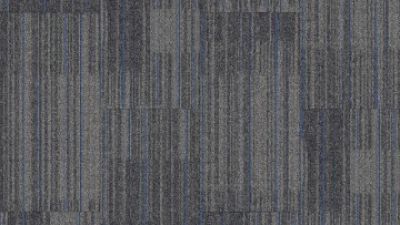
GES6024 Carpet-Textured SPC Flooring brings the warmth of carpet-inspired design to the strength and practicality of stone-plastic composite flooring. Its distinctive surface creates a soft visual rhythm and subtle tactile interest, helping residential, hospitality, retail, and office interiors feel more refined without relying on conventional textile materials. Industry market reports published in 2024 indicate that the global SPC flooring sector is expected to expand at an annual rate of more than 7% in the coming years, driven by demand for durable, water-resistant, and design-focused flooring solutions.
Factory-direct sourcing makes GES6024 an efficient option for projects that require consistent quality, flexible supply, and competitive pricing. Its dense composite structure supports everyday performance, while the carpet-like texture helps disguise minor surface marks and routine dust between cleanings. Maintenance is straightforward: regular sweeping or vacuuming, followed by damp mopping with a neutral cleaner, is generally sufficient for daily care. Unlike traditional carpet, the surface does not require specialized shampooing or lengthy drying, making it suitable for busy spaces. GES6024 combines expressive texture, practical upkeep, and dependable SPC performance in a flooring solution developed for modern interiors.
PVC planks usually contain polyvinyl chloride, stabilizers, and decorative films. They imitate timber grain without unfinished wood’s swelling risk. Their surface feels less natural than solid wood.
They suit apartments, offices, hotels, retail spaces, and light commercial interiors. Flexible planks fit bedrooms and corridors. Rigid-core planks suit busier areas.
Common options include floating, glued, and click-lock installation. The correct method depends on plank construction and subfloor conditions. Follow expansion guidance carefully. Small gaps can become expensive.
Not always. The plank may resist water, but seams and poor installation can allow damage. Kitchens, bathrooms, and entrances need carefully sealed joints.
Check wear-layer thickness, slip resistance, abrasion results, stain resistance, and dimensional stability. A 0.3-millimeter wear layer may suit light residential use. Busy shops often need thicker protection.
Request material specifications, test reports, VOC data, fire-performance information, and installation guidance. Check testing against suitable regional standards. Certificates should include batch information.
Place a chair leg on the plank and wipe it with a damp cloth. Examine it under daylight and side lighting. Test several batches. One sample can mislead.
Review carton dimensions, pallet weight, packaging strength, and protection for long-distance transport. Freight costs can change the final price considerably. Packaging is easy to overlook.
Edge gaps may develop after temperature or humidity changes. Color can vary between production batches. Subfloor movement and installer skill also influence results. No material is perfect.
Pvc Planks are a practical flooring solution for global residential and commercial buyers because they combine water resistance, design flexibility, easy maintenance, and efficient installation. This article explains how different plank types can suit homes, offices, retail spaces, hospitality projects, and other high-traffic environments. It also outlines the importance of evaluating material composition, wear layers, dimensional stability, slip resistance, fire performance, and environmental documentation before making a purchasing decision.
Buyers can compare products by durability, surface texture, color range, size options, maintenance requirements, and installation systems such as click-lock or adhesive methods. The article also highlights how to assess suppliers through production capability, quality control, testing reports, certifications, packaging, lead times, and after-sales support. By considering product performance together with shipping, installation, replacement, and long-term maintenance costs, international buyers can select PVC planks that deliver reliable value for their specific project conditions.