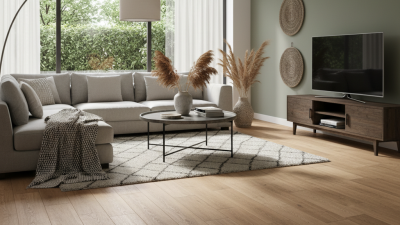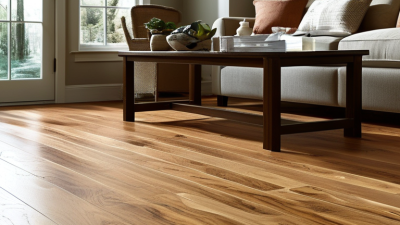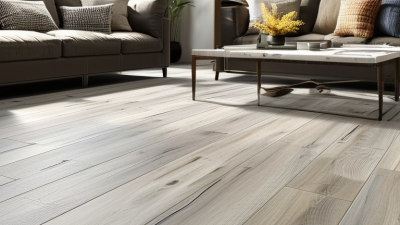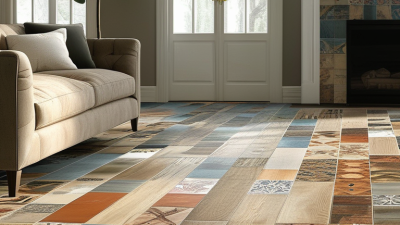
Picking out the right commercial flooring isn’t just a matter of choosing a color or going with the cheapest option. Honestly, there are so many factors at play—like how much foot traffic there is daily, whether rolling carts will be used, moisture issues, cleaning routines, and even the downtime needed for installation. It’s not a one-size-fits-all situation. For example, SPC, LVT, and WPC each have their strengths and are suited for different needs. A busy café might need flooring that stays stable and underfoot stiff, while a boutique hotel might prioritize a softer, quieter feel with a wood-like look.
John McCarthy, a commercial flooring expert, puts it simply: “The best floor isn’t necessarily the hardest one; it’s the one that actually fits the building’s real-world conditions.” That kind of practical thinking really matters. When professionals assess a project, they often check things like how flat the subfloor is, if doorways have enough clearance, where expansion gaps go, and what the ongoing maintenance routine looks like before recommending any products. A floor might look stunning, but if moisture seeps up through concrete or heavy carts keep hitting weak spots, it can fail pretty quickly. Honestly, those small details can make or break a flooring job.
In this guide, we’re comparing options like Vinyl Flooring, SPC, PVC Floor, Hybrid Flooring, Vinyl Plank, Floor Panels, and even SPC panels (you can check out more on SPC [here](https://www.gesnmflooring.com/pvc-panels-spc)). SPC tends to be really stable dimensionally and impact-resistant, making it a solid pick in high-traffic areas. LVT, on the other hand, offers more design choices and makes it easier to replace individual planks if needed. WPC feels warmer and quieter underfoot, which is great for comfort, but it’s softer and might not be ideal for extremely demanding spots. The unfortunate truth? Labels can sometimes oversimplify things. How well a floor performs depends a lot on installation quality, how thick the wear layer is, what adhesive you use, and how you maintain it afterward. Good product selection involves leaving room for testing, questioning, and repairs down the line—because that’s actually responsible planning, not a sign of weakness.
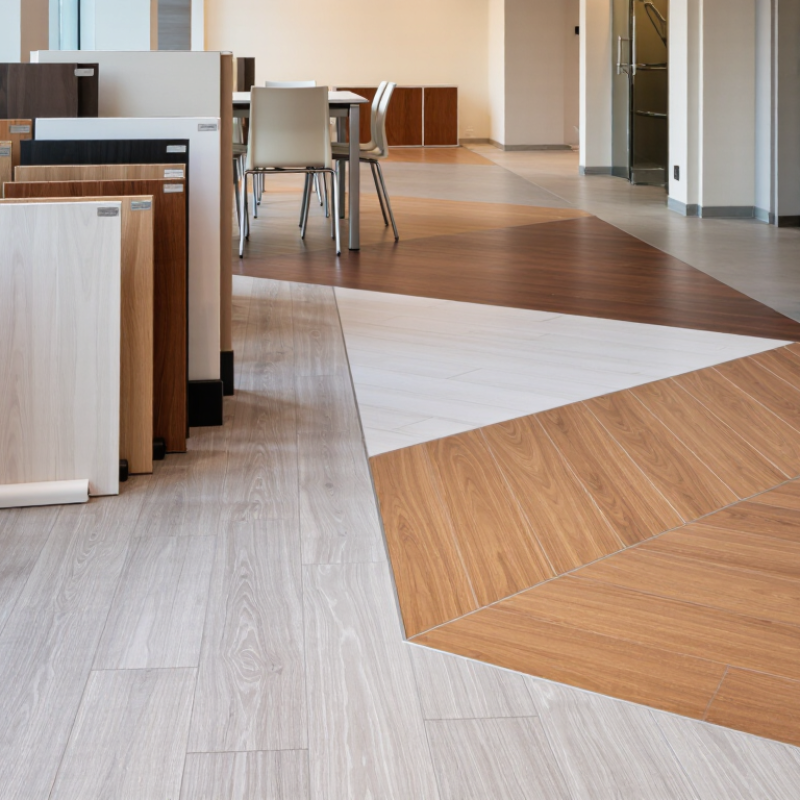
Commercial flooring discussions often begin with appearance, yet the core determines daily performance. LVT means luxury vinyl tile, built from vinyl layers, printed visuals, and a protective wear layer. It can imitate timber or stone with strong design flexibility. LVT also handles routine cleaning well. Its softer construction may show pressure marks under heavy shelving.
SPC means stone plastic composite flooring. Its rigid core combines mineral filler and polymer, creating strong dimensional stability. It suits busy corridors, retail aisles, and areas with rolling carts. WPC means wood plastic composite flooring. Its foamed core feels warmer and softer underfoot. It can also reduce walking noise, which matters in offices and hospitality spaces. Not every “waterproof” claim means identical performance.
A 2024 Grand View Research analysis estimated the global resilient flooring market at roughly USD 40 billion in 2023. It also forecast annual growth of about 6% through 2030, supported by commercial renovation and moisture-resistant materials. Those figures show demand, not guaranteed suitability. In practice, I would inspect subfloor flatness, sunlight exposure, traffic loads, and chair movement before selecting a core. Installation errors remain common. Even excellent flooring can fail when moisture testing, expansion gaps, or transition details receive little attention.
SPC, LVT, and WPC flooring differ mainly in their core construction. SPC uses a dense stone-plastic composite core, usually made from mineral filler, PVC, and stabilizers. This rigid center resists indentation beneath retail displays, office chairs, and heavy foot traffic. Above it, a printed design layer creates the visual pattern. A transparent wear layer protects the surface from scuffs. A backing layer may improve dimensional stability and reduce minor subfloor noise.
LVT is built with flexible PVC layers, a printed film, and a protective wear layer. Some commercial products include a reinforced backing for easier installation and better acoustic performance.
WPC also uses PVC, but its foamed wood-plastic core feels warmer and softer underfoot. That comfort can help in hospitality areas, although excessive heat or poor subfloor preparation may affect performance.
From practical site inspections, the core alone never tells the whole story. Adhesive choice, moisture control, seams, and cleaning routines matter just as much.
I have seen attractive flooring fail early because installers ignored small subfloor irregularities.
Tips:
SPC, LVT, and WPC share a vinyl surface, but their cores behave differently under commercial pressure. SPC uses a rigid stone-polymer core, resisting dents from display racks and rolling chairs. LVT offers more flexibility and usually handles uneven substrates better. WPC has a foamed core, creating warmer footing and improved sound absorption in offices. Still, that comfort can reduce indentation resistance. Grand View Research’s 2024 resilient flooring analysis estimated the global market at over US$40 billion in 2023, showing strong demand for resilient surfaces. Market growth does not equal suitability, however. The wear layer, installation quality, and subfloor condition matter more than the product label.
For busy corridors, specify wear-layer thickness and request ASTM F970 residual indentation results. This test applies a controlled static load, commonly 250 pounds, to measure permanent damage. ASTM F925 chemical-resistance testing also helps evaluate exposure to cleaners, coffee, and disinfectants. LVT may be the practical choice for irregular retail floors, while SPC suits stable floors with heavy carts. WPC works well where footfall is moderate and acoustic comfort matters. I would not place WPC beneath dense shelving without verified load data. A sample can look convincing under showroom lights, then fail beside a service counter. Spc Decorative Panels can coordinate vertical areas, but they should not replace flooring designed for rolling loads. Cleaning trials on real grout lines reveal weaknesses early.
| Performance Dimension | SPC Flooring | LVT Flooring | WPC Flooring |
|---|---|---|---|
| Core Construction | Rigid stone-polymer composite core with a decorative film and protective wear layer. | Flexible or semi-rigid multi-layer vinyl construction, commonly available in plank and tile formats. | Rigid wood-polymer composite core, generally thicker and softer underfoot than SPC. |
| Water and Moisture Resistance | Excellent. The core does not readily absorb water; seams, perimeter gaps, and subfloor conditions still require proper detailing. | Very good. Vinyl itself is moisture-resistant, but installation method and seam treatment determine the overall floor system's performance. | Excellent. The polymer-based core resists moisture; water can still migrate through joints or around the perimeter if incorrectly installed. |
| Dimensional Stability | High. The rigid core provides good resistance to indentation and everyday dimensional movement when temperature limits are respected. | Moderate to high. Glue-down LVT is highly stable; floating products require expansion gaps and careful temperature control. | High. The rigid core performs well, although installation tolerances and direct sunlight exposure remain important. |
| Wear and Abrasion Resistance | High when specified with a commercial-grade wear layer, commonly around 20 mil or more for demanding areas. | High when selected with an appropriate commercial wear layer; glue-down installation is widely used in high-traffic environments. | Moderate to high, depending primarily on the wear-layer thickness and surface finish rather than the WPC core alone. |
| Resistance to Dents and Heavy Loads | Very good. The dense rigid core generally handles rolling loads and concentrated pressure better than softer constructions. | Good. Performance varies with product density, thickness, adhesive, and the size and weight of furniture or equipment. | Good. The softer core improves comfort but may be more susceptible to indentation under concentrated loads. |
| Underfoot Comfort | Firm and stable; added underlayment may improve comfort where the installation system allows it. | Moderate comfort, with glue-down products offering a firm feel and thicker products offering more resilience. | Best of the three. The thicker, resilient core creates a warmer and more cushioned walking surface. |
| Impact and Sound Performance | Good impact resistance, but the hard core can sound more pronounced under foot traffic without suitable acoustic underlayment. | Good overall; acoustic performance depends strongly on whether the product is glue-down, loose-lay, or floating. | Generally best. The thicker resilient core can reduce footfall noise and improve perceived acoustic comfort. |
| Subfloor Preparation | Requires a clean, dry, structurally sound, and sufficiently level subfloor; rigid products can telegraph major irregularities. | Glue-down LVT generally requires the most demanding surface preparation because imperfections may show through the flooring. | Requires a level, clean, and dry subfloor; the rigid format does not eliminate the need for proper preparation. |
| Installation Speed | Fast. Click-lock systems can reduce installation time and may allow limited immediate access after completion. | Varies. Floating and loose-lay formats can be fast, while glue-down installation requires adhesive curing and more subfloor preparation. | Fast. Many products use floating click systems, which can reduce disruption during renovation projects. |
| Repair and Replacement | Individual planks can often be replaced, although click-lock access may depend on the room layout and installation direction. | Individual tiles or planks are relatively easy to replace, especially with modular or glue-down installations. | Individual planks can often be replaced, but floating-system access and damaged locking edges should be considered. |
| Routine Maintenance | Low maintenance: frequent dust removal, prompt spill cleaning, and manufacturer-approved neutral cleaners are typically sufficient. | Low maintenance: regular sweeping or vacuuming and damp mopping help remove abrasive soil and spills. | Low maintenance, with special attention to standing water at joints and the use of non-abrasive cleaning products. |
| Typical Commercial Service Life | Approximately 10–20 years in commercial use, depending on traffic, wear layer, maintenance, installation, and environmental conditions. | Approximately 10–20 years in commercial use; high-quality glue-down systems may perform longer with proper maintenance and periodic refurbishment. | Approximately 10–20 years in commercial use, depending on wear layer, traffic intensity, rolling loads, and maintenance practices. |
| Best-Fit Commercial Applications | Retail stores, corridors, reception areas, hospitality spaces, offices, and other areas requiring rigidity and moisture resistance. | Retail, offices, healthcare areas, education, hospitality, and spaces needing flexible patterns, modular replacement, or glue-down performance. | Boutique hospitality, offices, residential-style commercial interiors, and spaces prioritizing comfort and reduced footfall noise. |
| Main Limitation | Harder feel and potentially higher footfall noise; excessive heat, direct sunlight, or improper expansion detailing can cause movement. | Flexible products can show subfloor imperfections, and adhesive-based installation may increase preparation time and future removal effort. | Softer core may be more vulnerable to dents from concentrated loads, and thicker construction can affect transitions and door clearances. |
Note: Actual performance depends on product specifications, wear-layer thickness, installation method, subfloor quality, traffic level, rolling loads, cleaning procedures, and local building-code requirements. Fire, slip-resistance, acoustic, and indoor-air-quality ratings should be verified from project-specific test documentation.
Commercial flooring must survive more than heavy footsteps. It faces rolling carts, wet shoes, dropped tools, cleaning chemicals, and repeated impact. Traffic reveals weaknesses. The best choice depends on where the pressure occurs.
SPC flooring offers strong dimensional stability under busy conditions. Its rigid core resists dents and movement, especially on firm, properly prepared subfloors. That makes it suitable for corridors, retail aisles, clinics, and reception areas. LVT feels quieter and softer underfoot, which benefits offices, hotels, and customer-facing spaces. However, softer construction may show scratches or compression sooner in high-load zones. WPC provides added comfort and sound reduction, but its less rigid structure needs careful subfloor preparation. In commercial settings, installation quality often matters as much as the material.
Moisture changes the decision. SPC suits entrances and service areas where damp footwear is common. LVT can perform well when seams are correctly installed and maintained. WPC may be comfortable in hospitality spaces, but standing water remains a concern. Bathrooms require coordinated protection, and Spc Bathroom Wall Panels can help create a more moisture-resistant wall system. Still, no floor is maintenance-free. Grit near entrances can act like sandpaper, while neglected spills can stain joints. I have seen attractive installations fail because cleaning routines were treated as an afterthought. Product specifications should be checked against expected traffic, trolley loads, slip resistance, acoustics, and repair access before approval.
Commercial flooring decisions often fail during installation, not product selection. SPC Floor Panels usually need a flat, dry substrate because rigid boards can reveal bumps through clicking joints. Installers should check moisture levels, remove dust, and leave the specified perimeter gap. Heavy retail shelving also needs careful placement, since concentrated weight can stress locking edges.
LVT offers simpler cutting around columns and irregular walls. However, loose substrate particles may telegraph through flexible planks. Adhesive installation demands accurate spreading, suitable room temperature, and firm rolling. A small missed area can create bubbles later. WPC is softer underfoot and can feel comfortable in offices, but its thicker construction may require door clearance adjustments. Acclimation remains important, even when installation appears straightforward.
Maintenance requirements differ after handover. SPC handles trolley traffic and damp mopping well, but standing water can still enter poorly sealed joints. LVT benefits from frequent dust removal because grit acts like sandpaper under shoes. WPC needs prompt cleaning around entrances, where wet umbrellas and tracked dirt are common. Use neutral cleaners, soft pads, and entrance mats sized for actual foot traffic. Avoid excessive water and harsh chemicals. In practice, maintenance teams sometimes follow a perfect schedule for one month, then become inconsistent. That human factor should influence the flooring choice. A surface that looks ideal on paper may perform poorly when cleaning time, staff training, and repair access are limited.
Choosing commercial flooring starts with the space, not the product label. Retail corridors need strong wear resistance, while clinics need easy cleaning and stable joints. Grand View Research valued the global resilient flooring market at approximately USD 42 billion in 2023. Its forecast also indicates continued growth through 2030. Definitions differ between reports, so the figures are useful, but not perfect.
SPC suits busy entrances, cafés, and retail aisles. Its rigid core resists dents and handles minor subfloor movement. LVT offers design flexibility and simpler plank replacement, making it practical for offices and hospitality areas. Vinyl Flooring Planks can create realistic wood patterns without the maintenance of timber. WPC provides a softer underfoot feel and better acoustic comfort. It may work well in meeting rooms, hotels, and quieter workspaces. Not everywhere.
The decision should include moisture exposure, rolling loads, cleaning chemicals, slip resistance, and expected replacement access. A 2024 report from Fortune Business Insights identifies durability and low maintenance as major drivers of resilient flooring demand. However, a thicker product is not automatically better. In a busy lobby, weak installation can defeat premium materials. Check subfloor flatness, expansion gaps, adhesive compatibility, and warranty conditions. Request technical test results, not only showroom samples. Test sound, glare, and cleaning performance on site. Small mistakes become expensive quickly.
Comparative suitability scores from 1 to 5 based on typical material characteristics, including moisture resistance, dimensional stability, impact resistance, comfort, acoustic performance, and maintenance requirements.
SPC is generally well suited to high-traffic retail and moisture-prone areas because of its rigid, stable core. LVT offers design flexibility and dependable maintenance performance for offices and healthcare environments. WPC provides greater underfoot comfort and acoustic benefits, making it a strong option for hospitality and premium office interiors.
The global luxury vinyl tile market is expanding as homeowners seek flooring that combines visual appeal with practical performance. According to Grand View Research, the market was valued at approximately USD 23.63 billion in 2022 and is projected to grow at a compound annual growth rate of about 7.4% from 2023 to 2030. This trend reflects growing demand for durable, low-maintenance surfaces that reproduce the appearance of natural materials without the installation and upkeep challenges often associated with wood or stone.
GES6021 is designed to meet these preferences through a refined stone-grain pattern and versatile light-toned appearance. Produced by experienced China SPC flooring suppliers, this rigid-core solution can complement minimalist European interiors, contemporary apartments, and industrial-inspired spaces. Its layered construction supports dimensional stability, resistance to everyday wear, and convenient maintenance, making it suitable for living rooms, bedrooms, kitchens, and commercial areas. The design also reflects the broader movement toward realistic surface textures, a key factor supporting growth in the resilient flooring sector. With coordinated installation options and a diverse selection of decorative finishes, GES6021 provides architects, distributors, and homeowners with a practical way to achieve an elegant stone-inspired floor while maintaining long-term usability.
Rigid-core flooring handles carts, repeated footsteps, and dropped tools well. It performs best on a flat, dry subfloor.
Flexible vinyl or cushioned composite flooring feels quieter underfoot. It suits offices, hotels, and reception areas, but may compress sooner.
Rigid-core flooring suits entrances with wet shoes and frequent trolley movement. Entrance mats still matter. Grit behaves like sandpaper.
Moisture-resistant flooring helps in service areas, but sealed joints remain essential. Standing water can still cause problems.
Remove dust and check moisture levels before installation. Rigid boards can reveal small bumps through their locking joints.
Flexible planks cut easily around columns and irregular walls. Adhesive installation needs correct spreading, room temperature, and firm rolling.
Remove grit frequently, clean spills quickly, and use neutral cleaners with soft pads. Avoid excessive water and harsh chemicals.
Concentrated shelving weight can stress locking edges. Plan shelf placement carefully and confirm the expected load before installation.
Cushioned composite flooring may require door-clearance adjustments. Measure openings before installation. Small details matter.
Cleaning time, staff training, slip resistance, and repair access deserve equal attention. A perfect schedule may not last.
Choosing the right commercial flooring depends on traffic levels, moisture exposure, design goals, installation conditions, and long-term maintenance needs. SPC Flooring combines a rigid stone-plastic core with strong dimensional stability, making it highly resistant to dents, water, and heavy daily use. LVT offers design flexibility, comfort, and easy replacement, while WPC provides a softer underfoot feel and added acoustic performance. Together, these options represent versatile forms of Vinyl Flooring, Pvc Floor, Hybrid Flooring, Flooring Vinyl Plank, Vinyl Flooring Planks, and Floor Panels for different commercial environments.
For busy retail stores, offices, hospitality areas, and public facilities, SPC is often preferred where durability and stability are priorities. LVT can be a practical choice when visual variety, comfort, and straightforward upkeep matter most, while WPC suits spaces that value warmth and sound reduction. Installation methods vary from glue-down to click-lock systems, and regular sweeping, prompt spill removal, and manufacturer-recommended cleaning help preserve performance. The best solution should match each space’s traffic, moisture, comfort, budget, and design requirements.