Leave Your Message
Vinyl tiles have definitely come a long way from the simple sheet flooring you might remember from older kitchens. Nowadays, in 2026, you can choose from all sorts of styles like luxury vinyl tile (LVT), luxury vinyl plank (LVP), rigid-core SPC, WPC, and peel-and-stick options. And let’s be honest, those differences really do matter when you’re walking on them. For example, a rigid-core plank might feel really solid and firm in a busy hallway, whereas a flexible tile could be more forgiving and easier to cut around tricky spots like radiators. So, it’s not just about looks — how they feel underfoot totally counts.
There’s also some interesting market data that can help make sense of why vinyl flooring keeps gaining popularity. According to Grand View Research, the global vinyl flooring market was worth around $25.6 billion in 2023, and they’re expecting it to grow at roughly 5.7% a year from 2024 to 2030. Keep in mind, that’s a big category covering all sorts of products, so it doesn’t really tell you which specific tile is best for your space. But it definitely shows that the market is lively and still evolving. Also, be cautious with labels; words like “waterproof” don’t necessarily mean your floor will stand up to standing water or that you won’t have issues if edges aren’t sealed properly.
In this guide, I’ll break down the main types of vinyl tiles based on how they’re built, how comfy they are, how long they last, how easy they are to install, and where they’re usually used. I’ve looked at market reports and real product specs, but I’m also careful about those performance claims — because, honestly, a sample might look great in the showroom but under your home’s afternoon sun or on a cold concrete subfloor, it might not seem quite the same. There’s no one perfect choice that works everywhere. The right flooring depends on your room, what’s underneath, your budget, and those little details during installation — which sometimes folks forget to consider.
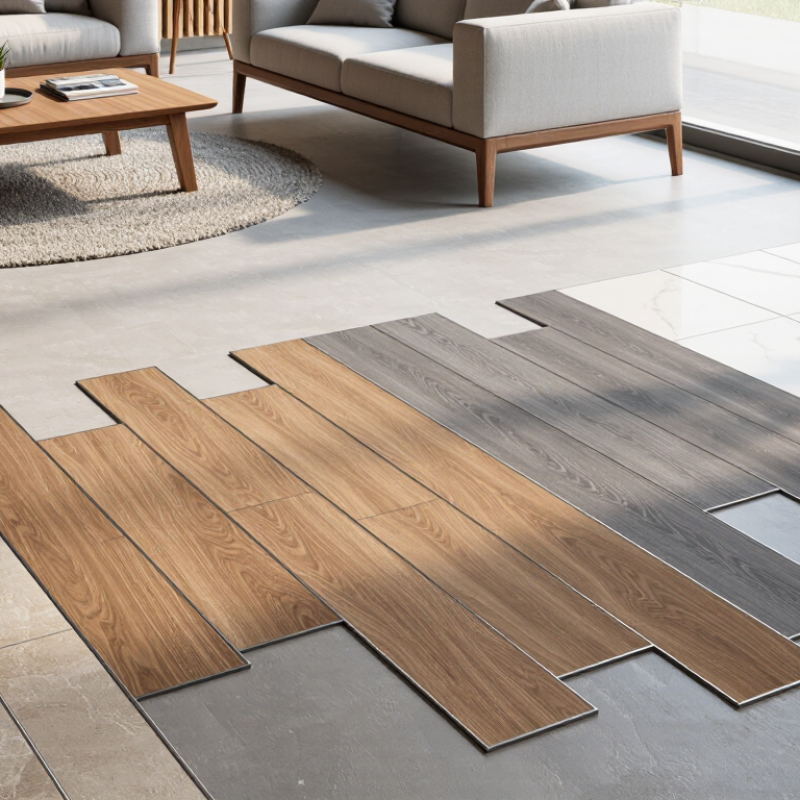
A vinyl tile type in 2026 is defined by more than color, pattern, or stone-like texture. Vinyl Flooring Tiles now vary by construction, core density, backing, wear layer, and installation method. Flexible tiles bend slightly under pressure, while rigid-core tiles feel firmer and hide minor subfloor movement. Peel-and-stick options remain practical for small rooms, but they demand a clean, dry, and level surface.
The wear layer matters in real homes. A thicker protective layer can better resist scuffs from dining chairs, pet claws, and gritty entryway shoes. However, thickness alone does not guarantee performance. Check the technical sheet for wear-layer measurement, slip resistance, water resistance, indoor-air testing, and cleaning limits. Those details are more useful than dramatic product photography.
Tile size also defines the type. Large formats create fewer seams, while smaller squares can simplify repairs around cabinets. Textured surfaces may improve grip, yet they can hold dust in kitchen corners. I have seen beautiful textured floors become difficult to clean. That weakness deserves attention. Installation conditions matter too. Even excellent tile may telegraph bumps from an uneven subfloor. For a 2026 choice, compare the tile’s structure with the room’s moisture, traffic, furniture weight, and maintenance habits. Fancy features are not always practical.
| Vinyl Tile Type | Typical Construction | Installation Method | Water Resistance | Best Suited For | Key Consideration |
|---|---|---|---|---|---|
| Luxury Vinyl Tile (LVT) | Layered resilient flooring with a printed design layer and protective wear layer; often made as individual tiles. | Glue-down or click-lock, depending on the product. | Generally water-resistant; performance depends on the product and installation details. | Kitchens, living areas, offices, and other spaces where a tile-like appearance is desired. | Check the wear-layer specification, subfloor requirements, and whether joints need sealing. |
| Rigid-Core Vinyl Tile (SPC) | Luxury vinyl with a dense stone-plastic composite core, typically paired with a decorative layer and wear layer. | Usually floating click-lock installation. | The tile itself is highly water-resistant; water can still pass through perimeter gaps or poorly sealed joints. | Busy households and rooms where dimensional stability and a firm feel are priorities. | Its rigid core may not conceal uneven subfloors; follow the manufacturer’s flatness limits. |
| Rigid-Core Vinyl Tile (WPC) | Luxury vinyl with a wood-plastic composite core, generally thicker and more cushioned underfoot than SPC. | Usually floating click-lock installation. | Typically water-resistant, but not necessarily a waterproof assembly once installed. | Living spaces and bedrooms where comfort and sound absorption are valued. | Compare core thickness, stability guidance, and room suitability before installation. |
| Glue-Down Vinyl Tile | Flexible vinyl tile secured directly to a prepared subfloor using an appropriate adhesive. | Full-spread adhesive; some products use pressure-sensitive adhesive. | Tile material is water-resistant; adhesive and seams may be affected by moisture conditions. | Commercial areas, rooms with rolling traffic, and spaces where individual tiles may need replacement. | Subfloor preparation and moisture testing are essential for a durable bond. |
| Peel-and-Stick Vinyl Tile | Thin, flexible tile with a factory-applied pressure-sensitive adhesive backing. | Self-adhesive installation on a clean, smooth, dry surface. | Surface is generally water-resistant; seams and edges are not automatically watertight. | Small, low-traffic areas and straightforward renovation projects. | Adhesion can fail on dusty, damp, textured, or uneven surfaces; confirm suitability for the room. |
| Loose-Lay Vinyl Tile | Heavy, flexible tile designed to stay in place through its weight and backing friction; some installations use perimeter adhesive. | Loose-lay or perimeter-secured, according to product instructions. | Tile surface is water-resistant, but seams and room edges can allow moisture through. | Spaces where quick access to the subfloor or easier tile replacement is useful. | Requires a stable, clean, flat subfloor and careful edge planning. |
How the type is defined: Vinyl tile types are distinguished by their core or backing construction, thickness and flexibility, wear-layer design, and installation method. Specifications vary by product, so confirm moisture limits, subfloor requirements, and care instructions before choosing.
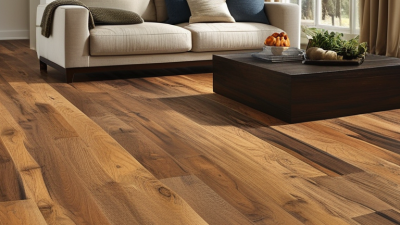
Premium Chinese luxury LVT flooring brings together the warmth of natural wood-inspired design and the resilience needed for everyday life. Its realistic plank appearance can complement a range of interiors, from calm, contemporary homes to welcoming cafés, busy retail stores, and professional offices. With varied spaces and styles in mind, this flooring offers an attractive way to create a cohesive look without the higher cost and upkeep often associated with traditional hardwood or stone.
Durability makes it a practical choice for areas that see regular foot traffic, while its easy-care surface helps simplify routine cleaning. Compared with materials that may require more demanding maintenance, LVT is designed to deliver lasting visual appeal with less effort. This balance of style, performance, and value makes it suitable for both residential and commercial projects, giving property owners a versatile flooring option that looks refined and stands up to daily use.
Most tiles have a backing, decorative layer, and clear wear layer. A thicker wear layer can help resist scuffs. It is not the whole story.
They may bridge small surface variations, but bumps can still show. Repair major dips before installation. I used to underestimate that step.
Water resistance depends on the tile, seams, and installation. Wipe up spills near open edges. Water can still reach the subfloor.
LVT describes a flooring category. WPC and SPC describe core constructions. WPC often feels warmer, while SPC is firmer and resists dents well.
Flexible LVT and WPC can feel less rigid than SPC. WPC may soften footsteps, though heavy furniture can leave dents.
Look for a durable wear layer and consider a textured finish. It can feel less slippery near the door, but may trap dirt.
Water-resistant rigid-core tiles can suit these rooms and handle frequent cleaning. Check seam details and installation guidance too.
Pale tile colors can reflect more light. Try a warm wood pattern in a bedroom. The sample may look different at home.
In 2026, choosing among Vinyl Tiles means looking beyond appearance to understand how each type is built and how that construction affects comfort, durability, and water resistance. Luxury vinyl, WPC, and SPC tiles offer different balances of flexibility, cushioning, stability, and rigidity. Available in varied colors, patterns, and textures, they can evoke natural materials or create a more contemporary look, making it easier to coordinate flooring with a room’s style and practical needs.
The best option depends on where the tiles will be used. Kitchens, bathrooms, living areas, and other spaces may have different requirements for moisture protection, underfoot comfort, and everyday wear. Before deciding, consider the surface beneath the tiles, the installation method, and whether the product suits the room’s conditions. Regular cleaning and following care guidance can help preserve the finish and performance over time.