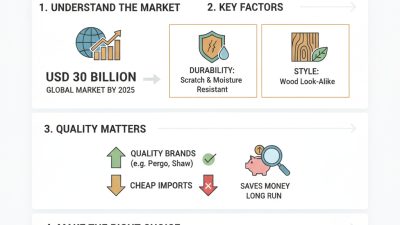
Picking out the best Pvc Carpet Flooring isn’t just about comparing colors and prices. Honestly, a floor can look super attractive in the showroom but then fall flat when it’s placed right by a busy entrance. The real decision stuff starts when you think about how much foot traffic there is, whether the room tends to get damp, how you plan to clean it, and how long you want it to last.
Whether you're working on a home or a commercial space, the actual performance tells you way more than just photos ever can. For example, dense PVC fibers are good at standing up to daily wear and tear, and a sturdy backing can help prevent shifting on smooth subfloors. But let’s be real — the feel, thickness, and look shouldn’t be the only things you go on. You really want to dig into the specs: check slip-resistance, fire safety info, indoor air quality, and so on from trusted brands. And if you’re stuck comparing similar options, those independent test reports are a total lifesaver.
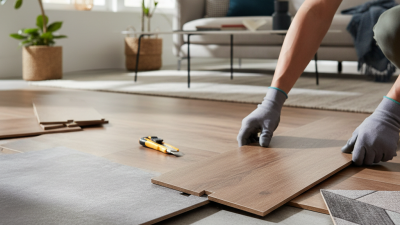
Don’t forget about installation, either. The subfloor needs to be clean, dry, level, and free of loose dust — it sounds basic, but it makes a huge difference. Poor seams tend to trap dirt and can show up as lines after a few rounds of cleaning. Of course, a skilled installer can make a big difference, but even they can't fix the wrong material types. No flooring is perfect, that’s just real life.
It's worth keeping that in mind. Some flooring might promise super easy maintenance but still show marks near doors — and others might feel comfy underfoot but require really careful cleaning to keep looking good. It’s a smart idea to compare samples in real lighting to avoid ending up with something you don’t love. Plus, always ask your supplier about warranties, how easy it is to replace, what cleaning chemicals are safe, and whether the color stays true over time. The key is to find something that balances comfort, durability, safety, and ease of maintenance instead of chasing after one shiny feature. If you do it right, PVC carpet flooring can be a smart investment for offices, hotels, retail spots, or just busy homes that need something reliable and good-looking.
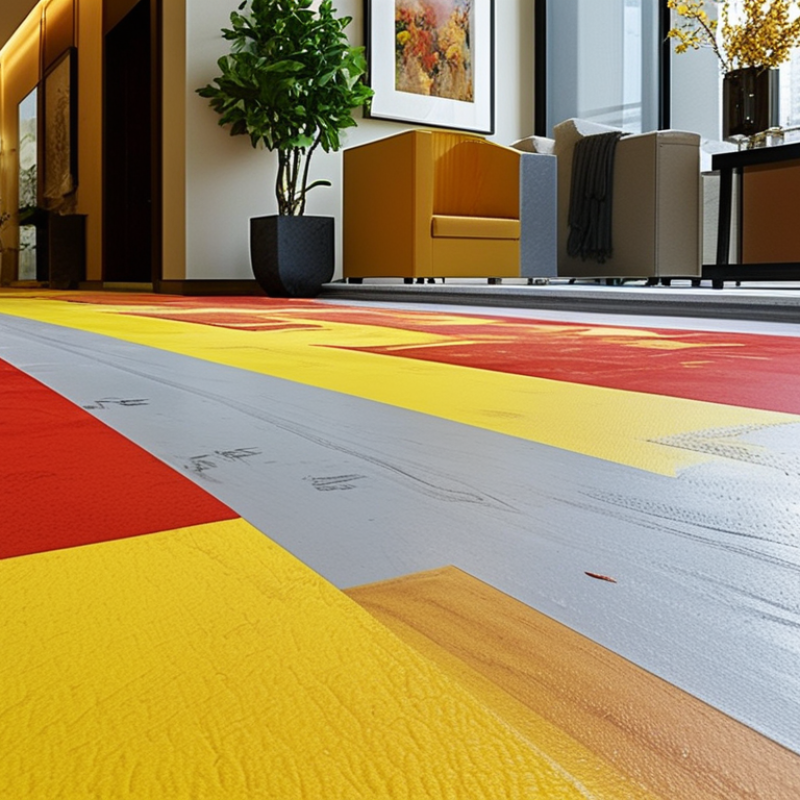
Choosing the best Pvc Carpet starts with its structure, not its color. It is a resilient floor covering made from PVC-based layers, often printed to resemble stone, wood, or woven carpet.
Tiles are manageable for phased installation and simple repairs. Rolls create fewer joints across large rooms.
However, rolls demand accurate measuring and careful handling at corners. Small rooms often benefit from tiles, while open areas may suit rolls better.
A typical Pvc Carpet includes a protective wear layer, printed design layer, stabilizing layer, and backing. The wear layer affects resistance to scratches, stains, and daily traffic. A glass-fiber layer can improve dimensional stability and reduce expansion.
The core may use solid PVC, foamed PVC, or PVC blended with mineral filler, such as calcium carbonate.
Solid cores usually feel firmer underfoot.
Foam cores can provide softer comfort and some sound absorption.
The difference is noticeable.
On site, inspect the edge quality, backing consistency, and surface texture before installation. Hold a sample near a window and under artificial light. Uneven gloss can reveal manufacturing variation.
Check technical data for thickness, wear-layer depth, slip performance, and cleaning requirements. A thicker product is not automatically better.
I once overlooked subfloor flatness, and the finished surface showed minor shadows through the material. That mistake matters. Tiles may hide replacement work, but their joints can collect dirt when poorly aligned. Rolls look cleaner, yet one cutting error can waste a large section.
Choosing the best Pvc Floor Carpet starts with the wear layer, not the pattern. This transparent top layer protects the printed surface from footsteps, chair movement, and grit. A thicker layer usually offers better resistance, but thickness alone cannot fix poor installation or weak subfloor preparation.
For EN ISO 10874 Class 21–23 domestic areas, 0.15–0.25 mm can suit bedrooms, guest rooms, and lightly used living spaces. Class 31–32 commercial areas often need 0.30–0.40 mm for offices, hotel corridors, and small shops. Class 33–34 locations, such as busy schools or retail entrances, are safer with 0.50–0.70 mm. Class 41–43 industrial use demands careful product verification, because impact, rolling loads, and chemicals may exceed normal flooring tests.
Traffic tells only part of the story. Fine sand near an entrance can act like sandpaper. Metal chair wheels can create concentrated pressure. A 0.70 mm layer may still fail over damp or uneven concrete. Check the product’s declared EN ISO 10874 class, dimensional stability, slip performance, and installation instructions. I would also inspect the entrance zone separately. It often wears first. The honest limitation is simple: no wear-layer chart predicts every building, especially when maintenance is neglected.
How to Choose the Best PVC Carpet Flooring?
When selecting Pvc Vinyl Carpet, check its slip resistance under DIN 51130. This ramp test uses safety footwear and an oily surface. It measures how much inclination a floor can withstand before slipping occurs. R9 covers 6–10 degrees, while R10 covers over 10–19 degrees. R11 extends from over 19–27 degrees. Higher ratings usually suit more demanding work areas.
An R9 surface may work in dry offices, bedrooms, or lightly used corridors. R10 can better support entrances, cafés, and areas exposed to occasional moisture. R11 deserves attention in commercial kitchens, workshops, and service zones. However, the rating is not a universal safety guarantee. DIN 51130 does not represent barefoot use or every type of contamination. Wet bathrooms may require separate barefoot testing under DIN 51097.
Look beyond the number. Request a current test report from the flooring supplier, then compare its wear layer, texture, seams, and cleaning response. A deeply textured surface can improve grip, but it may hold grease and dust. Installation matters too. Loose edges or poorly sealed joints can create trip points. During a site visit, place samples near doors and wash areas. Notice how they feel after cleaning. Our early assumption was simple: higher resistance must always be better. It was not. Excessive texture can make wheeled carts harder to move and increase maintenance time. Choose the lowest suitable class that matches real traffic, moisture, footwear, and cleaning conditions.
| Rating | Ramp Angle Under DIN 51130 | Test Environment | Typical Application Guidance | Advantages | Selection Considerations |
|---|---|---|---|---|---|
| R9 | 6° to 10° | Inclined-ramp test with a lubricating medium and safety footwear, as specified by DIN 51130. | General dry indoor areas with relatively low exposure to oil, grease, or frequent wet contamination. | Usually easier to clean and suitable for areas where a moderate slip-resistance level is sufficient. | May be inadequate for entrances, food-service zones, workshops, or areas where liquids and grease are regularly present. |
| R10 | More than 10° up to 19° | Inclined-ramp test with a lubricating medium and safety footwear, as specified by DIN 51130. | Common indoor commercial and service areas, entrances, corridors, utility rooms, and zones with occasional moisture. | Provides a practical balance between traction, cleanability, comfort, and everyday PVC flooring performance. | Requires suitable maintenance and prompt removal of water, oil, dust, and other contaminants to retain safe performance. |
| R11 | More than 19° up to 27° | Inclined-ramp test with a lubricating medium and safety footwear, as specified by DIN 51130. | Areas with higher risk of wet or greasy contamination, such as commercial kitchens, food-processing support areas, workshops, and service zones. | Offers greater tested slip resistance than R9 and R10 for demanding indoor working environments. | The more textured surface can require more intensive cleaning and may provide less rolling comfort for carts or wheeled equipment. |
How to Choose the Best PVC Carpet Flooring?
When selecting PVC carpet flooring, verify its fire performance through ASTM E648 testing. Class I requires a critical radiant flux of at least 0.45 W/cm². This rating indicates stronger resistance to flame spread under a controlled radiant heat exposure. However, it is not a guarantee for every installation. Backing, adhesive, seams, and subfloor conditions can affect real performance.
In practical flooring reviews, I check the complete test report, not only a product label. The report should identify the flooring construction, specimen thickness, test result, and laboratory details. Ask whether the tested assembly matches the planned corridor, stair landing, or public room. A small sample may look convincing. It can still hide installation weaknesses. I would also inspect seams for lifting, especially near doorways and wheeled traffic.
Tips: Request the ASTM E648 Class I value in writing. Confirm that the ≥0.45 W/cm² result applies to the exact flooring system. Keep installation records and batch information. My checklist is useful, but not perfect; site conditions deserve another review before approval. Never treat fire classification as a substitute for professional project assessment.
Verify fire performance with ASTM E648 Class I: ≥0.45 W/cm²
ASTM E648 classifies flooring materials by critical radiant flux, measured in watts per square centimetre (W/cm²). Class I requires a minimum value of 0.45 W/cm², while Class II covers values from 0.22 to below 0.45 W/cm². When comparing PVC carpet flooring, request an independent ASTM E648 test report and confirm that the tested construction matches the product being specified.
VOC emissions deserve more attention than color or pile texture. PVC carpet flooring should be tested under CDPH Standard Method v1.2, commonly linked with California Section 01350 criteria. The method uses controlled chamber testing to measure emissions from flooring, backing, and related adhesives. Testing usually includes a 14-day conditioning period. Ask for the complete report, not only a “low VOC” claim.
Look for reported concentrations of formaldehyde and other target VOCs in micrograms per cubic meter. CDPH evaluates emissions against modeled indoor-air scenarios, including offices and classrooms. The U.S. Environmental Protection Agency reports that indoor VOC levels can average two to five times outdoor levels, and sometimes reach 100 times higher.
Source: U.S. EPA, Volatile Organic Compounds’ Impact on Indoor Air Quality.
Check whether the tested assembly matches your installation. A floor covering may pass alone but perform differently with adhesive, moisture barriers, or dense underlay. Request the laboratory name, test date, sample construction, and chamber results. This is practical evidence.
A certificate is not magic. Manufacturing batches can vary, and ventilation after installation still matters. I would also question reports that omit individual VOC values or provide only a pass statement. The best choice combines CDPH v1.2 results, realistic installation details, and documented quality control.
Choosing Carpet Pvc Floor requires more than comparing colors. Tile size affects appearance, waste, and repair time. Large tiles create fewer seams and suit open offices. Smaller tiles work better around columns, corners, and irregular rooms. Measure the floor carefully before ordering. A small error can increase material waste.
Installation methods also influence long-term performance. Peel-and-stick tiles install quickly, but the subfloor must be clean, dry, and smooth. Loose-lay systems allow easier replacement, although heavy furniture may cause movement. Adhesive installation offers stronger stability in busy areas, but removal can take longer. In my experience, rushed preparation causes more failures than ordinary daily wear. I may still choose the faster method for a temporary space, but that decision needs honest cost checks.
Tips: Request a sample and test it under real lighting. Drag a chair across it. Wipe away coffee and muddy footprints. Check whether the surface keeps its texture after cleaning. Maintenance usually includes regular vacuuming, prompt spill removal, and occasional damp cleaning with a suitable neutral solution. Avoid excessive water near seams. Compare life-cycle costs, not only the purchase price. Include labor, adhesive, cleaning, replacement tiles, and disposal. A cheaper floor can become expensive when damaged sections are difficult to match. Keep spare tiles from the same production batch. Mistakes happen. Availability may change later.
: It usually contains a wear layer, printed design layer, stabilizing layer, and backing. The core may be solid PVC, foamed PVC, or mineral-filled PVC. Solid cores feel firmer. Foam cores feel softer and may absorb some sound.
Tiles suit small rooms and phased installation. They allow easier replacement when one section is damaged. Rolls create fewer joints across large, open areas. However, rolls require accurate measuring and careful corner handling. One cutting error can waste a large section.
It is extremely important. The subfloor should be clean, dry, and flat before installation. Uneven areas may create visible shadows through the flooring. I once overlooked flatness, and the finished surface showed minor defects. That mistake still matters.
Check edge quality, backing consistency, surface texture, and visible gloss. Hold samples near a window and under artificial light. Uneven gloss may reveal production variation. Review thickness, wear-layer depth, slip performance, and cleaning requirements. A thicker product is not automatically better.
They indicate slip resistance under a ramp test with safety footwear and an oily surface. R9 suits dry offices, bedrooms, and lightly used corridors. R10 may suit entrances, cafés, and areas with occasional moisture. R11 may suit kitchens, workshops, and service zones. Higher is not always better.
No. The rating does not guarantee safety in every condition. The test does not represent barefoot use or every contaminant. Deep textures may improve grip but hold grease and dust. They can also make wheeled carts harder to move.
Request a complete test report for the exact flooring system. A Class I result under ASTM E648 requires at least 0.45 W/cm². Confirm the tested thickness, construction, laboratory, and specimen details. Backing, adhesive, seams, and subfloor conditions can change real performance. Labels alone are not enough.
Align tile joints carefully and seal vulnerable areas when appropriate. Poorly aligned joints can collect dirt. Inspect seams near doorways and wheeled traffic. Compare textured samples after cleaning. A practical checklist helps, but it is never perfect.
Choosing the best Pvc Carpet Flooring requires more than comparing colors and prices. Start by understanding whether tiles or rolls suit the project, then examine the construction, including the wear layer, backing, and core materials. Match a wear layer between 0.15 and 0.70 mm to the expected traffic class under EN ISO 10874, since heavier-use areas need stronger protection. Safety is also essential: review slip resistance ratings from R9 to R11 according to DIN 51130, especially for entrances, corridors, and areas exposed to moisture. Fire performance should be verified through ASTM E648, with Class I materials achieving at least 0.45 W/cm² where applicable. VOC emissions should meet the CDPH Standard Method v1.2 to support healthier indoor environments.
Finally, compare tile dimensions, roll formats, installation methods, cleaning requirements, repair options, and expected service life. A slightly higher initial cost may provide better durability, easier maintenance, and lower life-cycle expenses. The best choice balances safety, comfort, appearance, installation efficiency, and long-term value.