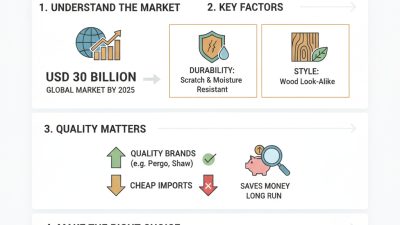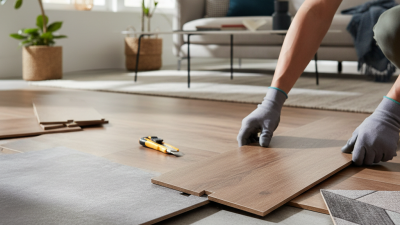
Wood PVC flooring is often sold as a handy middle ground: it gives you some of timber’s warm look while adding PVC’s ability to stand up to moisture. Most versions are built in layers—a wood-look decorative layer, a wear layer, a rigid polymer core, and either attached or separate underlay. Grand View Research has reported steady growth in the global wood plastic composite flooring market, helped along by home renovations and commercial construction. But just because the market is growing doesn’t mean every product performs the same.
So, is it waterproof? Well... sometimes. The real answer depends on the whole floor system, not just one board. A sealed PVC-based core can handle surface water, but joints, edges, expansion gaps, and the subfloor can still let moisture sneak in. The Resilient Floor Covering Institute and ASTM International keep stressing installation quality, dimensional stability, and performance testing. Sure, a product might survive a spilled drink. Trapped moisture under poorly prepped boards? That’s a different story.
Dr. Robert M. Koerner, who knows a lot about polymer durability, put it well: “Durability is a function of both the material and the environment.” That fits Wood PVC Floor almost perfectly. A bathroom, a basement, and a sunny retail entrance all create different kinds of stress. The same board can act very differently in each spot. And the label? It can definitely mislead. “Waterproof” shouldn’t take the place of a proper look at the installation.
Fortune Business Insights has also pointed to resilient flooring as a growing global category, which makes sense—people want surfaces that are easier to maintain and still look good. Even so, buyers should check test standards, warranty exclusions, core composition, and seam protection. Some searches may use the reversed phrase “Floor Wood Pvc,” but the practical question stays the same: can this floor handle real moisture, real traffic, and less-than-perfect installation?
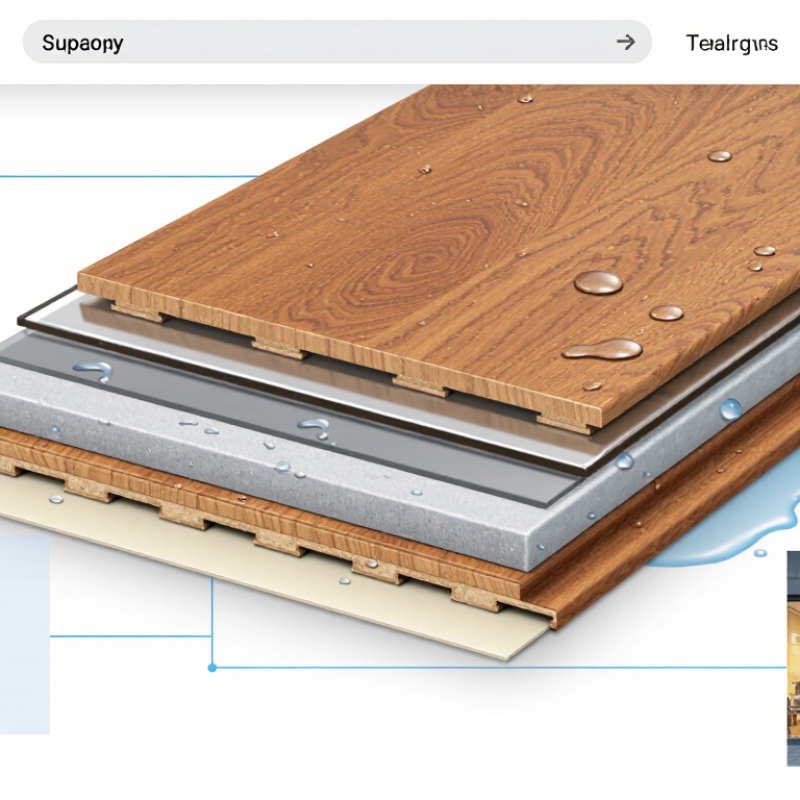
Wood Pvc Floor refers to a resilient flooring product designed to resemble natural timber. Its structure usually combines several engineered layers. The bottom layer provides dimensional support and reduces movement over the subfloor. Above it, a PVC core creates flexibility and resistance to moisture. A printed decorative film supplies the wood grain, knots, and color variation. The transparent wear layer protects the image from abrasion and daily scratching. Some products also include a factory-attached backing for improved comfort and sound reduction.
The material is generally water-resistant throughout its body. However, “waterproof” needs careful interpretation. PVC itself does not absorb water like untreated wood. Yet open joints, damaged edges, and poor installation can allow moisture beneath the planks. I have seen this distinction matter near kitchen sinks and balcony doors. The floor stayed intact, but trapped water still affected the subfloor. That answer is useful, but incomplete.
Industry data also supports closer attention to composition. The VinylPlus Progress Report 2023 recorded 810,775 tonnes of PVC recycled in Europe during 2022. This figure shows the scale of PVC recovery, although it does not prove every Wood Pvc Floor contains recycled material. ASTM F1700 classifies solid vinyl floor coverings by performance and construction requirements, helping buyers compare products more professionally. Check the technical sheet for PVC thickness, wear-layer rating, slip resistance, and installation limits. A beautiful wood pattern cannot correct a damp, uneven base.
Wood Floor Pvc is made to resemble timber while using a resilient polyvinyl chloride structure. Manufacturing usually starts with PVC resin, mineral fillers, pigments, and stabilizers. These materials are blended into a uniform compound. Moisture must be controlled carefully. Too much variation can cause weak spots, color shifts, or poor dimensional stability.
The compound is heated and formed into a stable sheet through extrusion or calendering. A printed film then adds the grain pattern, knots, and warm brown tones. A transparent wear layer protects the image from abrasion and stains.
Manufacturers may press realistic textures into this layer, matching the printed grain with shallow grooves. A backing layer improves comfort and helps the plank rest evenly on the subfloor. It is a detailed process. Small errors still happen.
Quality checks examine thickness, surface adhesion, color consistency, and locking accuracy. Water resistance also depends on these details. PVC itself does not absorb water like natural wood, so the flooring is generally waterproof at the material level. However, open joints, damaged edges, and poor installation can allow water beneath the planks. I would not describe every Wood Floor Pvc product as completely waterproof without checking its construction and installation instructions. A careful installer still seals vulnerable areas and prepares a dry, level subfloor.
Wood PVC flooring combines a timber-like appearance with a resilient plastic construction. Its layered structure usually includes a wear layer, printed design film, core, and backing. This design helps the floor resist daily scuffs, light impacts, and moisture.
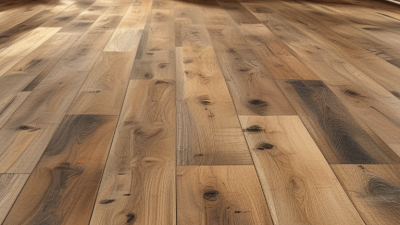
Surface design is more than decoration. Embossed grain can match printed wood lines, creating a more convincing texture under bare feet. Matte finishes reduce glare and hide small marks, while wire-brushed patterns suggest aged timber. Pale oak tones can make a narrow room feel brighter. Deeper walnut shades add visual warmth, but dust may appear sooner.
Plank width also changes the room’s character. Wide boards create a calm, spacious impression. Narrow planks can look more detailed and traditional. Some surfaces imitate knots and uneven color, though overly repeated patterns may appear artificial. That detail deserves inspection.
Water resistance is a key feature, but “waterproof” needs careful interpretation. The PVC surface itself does not absorb water easily. However, open joints, damaged edges, or poor subfloor preparation can allow moisture underneath. Bathrooms and kitchens still need sealed transitions and careful installation. A textured finish may improve underfoot grip, but it can require more cleaning. No surface performs perfectly in every room.
What Is Wood PVC Floor and Is It Waterproof?
Pvc Wood flooring combines a wood-like appearance with a resilient polyvinyl chloride surface. The printed grain can resemble oak, pine, or reclaimed boards. Unlike natural wood, PVC does not absorb water in the same way. This makes it suitable for kitchens, bathrooms, laundry rooms, and busy hallways. However, “waterproof” describes the flooring material, not always the entire floor system. Water can still enter through open seams, damaged edges, or gaps around pipes. The subfloor may also swell if moisture remains trapped beneath the planks.
Is Wood PVC Flooring Waterproof?
In practical flooring inspections, well-installed PVC Wood flooring usually handles spills, wet shoes, and routine mopping effectively. A properly sealed surface prevents water from penetrating the plank during normal use. It is not automatically flood-proof. Standing water can travel under loose boards and create unpleasant odors or mold risks. Installation quality matters greatly. The floor must sit on a dry, level surface, with tight joints and suitable edge sealing. I once underestimated a small gap beside a cabinet; repeated splashes eventually reached the subfloor. That detail is easy to miss.
Tips: Wipe spills quickly, especially near sinks and exterior doors. Check seams every few months. Use a soft mop, not excessive water. Avoid dragging sharp furniture across the surface. If planks lift or feel soft, investigate the moisture source before replacing them. Small failures often reveal larger installation problems.
Pvc Wood Flooring combines a timber-like appearance with a resilient plastic surface. It handles routine splashes better than many natural wood floors. However, “waterproof” can be an imprecise claim. The planks may resist water, but seams, edges, and the subfloor remain vulnerable. A leaking appliance can still create serious damage underneath.
In bathroom and kitchen installations, wipe spills promptly and inspect the joints regularly. Standing water may enter through poorly fitted edges. Moisture can also rise from concrete, especially when the slab has not dried properly. A moisture test is essential before installation. The exact method depends on the flooring system and local building practice.
The surface is practical.
Yet installation has limits. Pvc Wood Flooring should not cover a damp, uneven, or contaminated base. Small floor movement may cause gaps, lifting, or clicking sounds. Direct sunlight can also heat the surface and affect expansion gaps. Leave the required clearance around walls, pipes, and fixed cabinets. I have seen attractive floors fail because installers focused on appearance rather than moisture control. That mistake is easy to repeat. A careful inspection, suitable underlayment, and sealed transitions provide better protection, but they cannot correct a persistently wet subfloor.
Wood PVC flooring combines a timber-like surface with a polyvinyl chloride base. It is not real wood. Its layered construction usually includes a wear layer, printed décor film, and stabilizing core. The surface resists everyday splashes, making it suitable for kitchens and entryways. However, “waterproof” has limits. Water can still enter through open joints, damaged edges, or poorly sealed walls. The subfloor may swell even when the planks do not.
The advantages are practical. PVC flooring feels warmer and quieter than ceramic tile underfoot. It also cleans easily after muddy shoes or spilled drinks. The global vinyl flooring market reached about USD 39.27 billion in 2023, according to Grand View Research’s 2024 market report, reflecting strong demand for resilient surfaces. Many installers also report faster installation than traditional timber, especially with click-lock systems. But preparation matters. An uneven floor can create hollow sounds and visible movement.
Disadvantages deserve equal attention. Heavy furniture can leave dents, while grit may scratch the protective coating near doorways. Strong sunlight can gradually change darker wood patterns. Some low-quality products may also release unpleasant odors after installation, so buyers should check independent emissions testing and ventilation guidance. The flooring can look convincing, but it may feel less natural than wood. Replacement is another weakness; damaged planks are not always easy to match, and PVC disposal remains an environmental concern. Water resistance helps, but it does not excuse careless installation.
It usually has several layers. A support layer limits movement. The PVC core resists moisture. A printed film creates wood grain and color. A clear wear layer protects against scratches. Some products include attached backing for comfort and sound reduction.
The planks resist water well, but the complete floor is not automatically flood-proof. Open joints, damaged edges, and pipe gaps can let water underneath. The subfloor may still swell. The word “waterproof” needs caution.
It suits kitchens, bathrooms, laundry rooms, hallways, and other busy areas. Wipe splashes near sinks quickly. Exterior doors need extra attention because wet shoes bring standing water indoors.
The base must be dry, level, clean, and stable. Test concrete for moisture before installation. Do not cover a damp or contaminated surface. A beautiful pattern cannot fix a weak subfloor.
Yes. Water may travel beneath loose planks and create odors or mold risks. Check leaks from appliances promptly. Lifted or soft planks suggest moisture problems, not only surface wear.
Wipe spills quickly with a soft mop. Use limited water during routine cleaning. Avoid harsh tools and excessive moisture. Small details matter. Do not drag sharp furniture across the surface.
Inspect seams every few months, especially near cabinets, sinks, and doors. Look for gaps, lifting, or soft areas. I once underestimated a tiny cabinet gap. Repeated splashes reached the subfloor.
Direct sunlight can heat the planks and affect expansion gaps. Leave the required clearance around walls, pipes, and fixed cabinets. Uneven bases may cause clicking sounds or lifted edges. Installation can fail despite attractive materials.
Wood Pvc Floor is a resilient flooring material made from polyvinyl chloride, stabilizers, colorants, and decorative layers designed to imitate the appearance of natural wood. It is manufactured by combining these layers under controlled heat and pressure, then adding a protective surface coating and forming the flooring into planks or tiles. Its realistic grain patterns, varied colors, comfortable feel, and easy-clean surface make it suitable for many residential and commercial spaces.
Wood PVC flooring is generally waterproof because its core does not readily absorb water, making it suitable for areas exposed to occasional spills or humidity. However, waterproof performance also depends on tight seams, proper subfloor preparation, and professional installation. Standing water, flooding, or moisture trapped beneath the floor may still cause problems if drainage and sealing are inadequate. Its main advantages include durability, low maintenance, design flexibility, and moisture resistance, while potential disadvantages include surface scratching, sensitivity to poor installation, and the need for careful disposal or replacement planning.