When you're thinking about improving your home, one of the biggest decisions is usually flooring. It’s not just about looks—what’s underneath matters just as much. More folks these days are going for vinyl flooring tiles, and honestly, they've really gained popularity. I was chatting with John Smith from Flooring Innovations, and he pointed out that, “Picking the right vinyl flooring can totally change the vibe of your space, plus it’s durable and stylish.” So yeah, it's pretty clear that making the right call here is a big deal.
But here’s the thing—homeowners shouldn’t just go surface deep when selecting vinyl flooring. You’ve gotta consider the color, the texture, and how you'll install it. A lot of folks assume all vinyl flooring is basically the same, but that’s not true. There are different types to match different needs—and understanding these can actually save you quite a bit of hassle and cash down the line.
Of course, not all vinyl flooring options are perfect for every home. Some kinds might not be super sturdy or can fade over time. And if you don’t install it properly, that can lead to issues later on. So, it’s really worth weighing the pros and cons of vinyl flooring tiles before you settle on one. Trust me, taking a little extra time to research here can make all the difference in the end.
Understanding Vinyl Flooring: Types and Characteristics
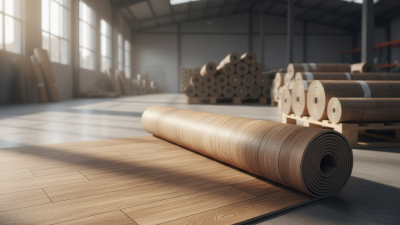
Vinyl flooring has gained popularity among homeowners. Understanding its types and characteristics is vital when choosing the right option. There are generally two main types: vinyl sheets and vinyl tiles. Vinyl sheets are large, continuous pieces, while tiles come in smaller, individual squares. Each has unique benefits that cater to different needs.
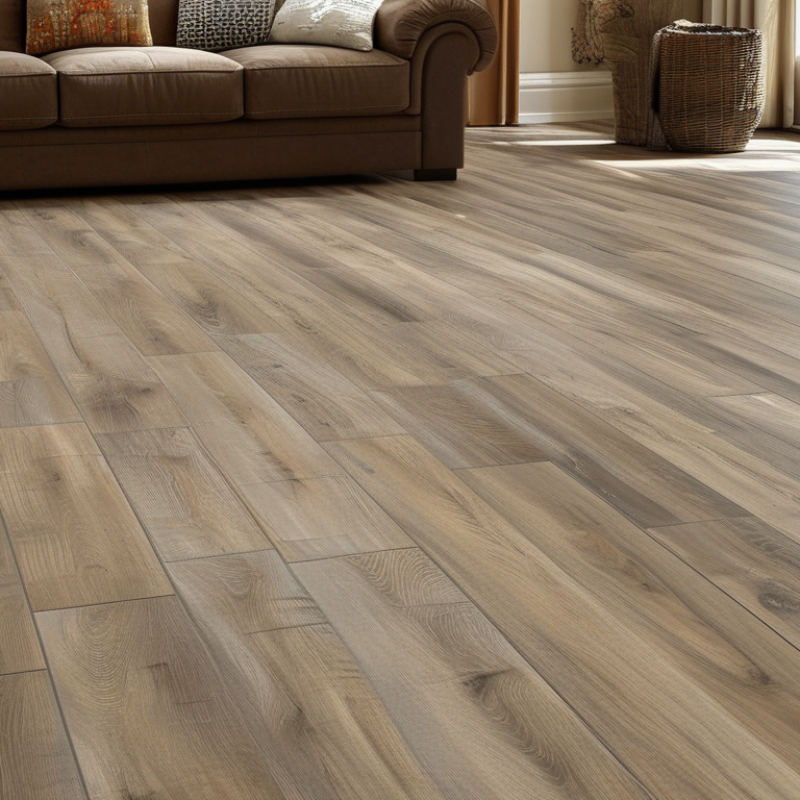
Vinyl flooring is known for its resilience and versatility. It can mimic the look of wood or stone, offering aesthetic appeal. However, some vinyl options can fade over time. Installation is straightforward, but improper techniques can lead to curling or lifting. Regular maintenance is essential; dirt and moisture can accumulate, diminishing the flooring’s lifespan.
When evaluating vinyl flooring, consider the wear layer thickness. Thicker layers provide better protection against scratches and stains. However, a thicker layer may also increase costs. Not all vinyl options are created equal, and it's crucial to research and reflect on personal priorities. This can help you find a balance between durability, style, and budget.
Key Benefits of Choosing Vinyl Flooring for Your Home
Vinyl flooring has become a popular choice for homeowners due to its numerous benefits. One significant advantage is its durability. Vinyl can withstand heavy foot traffic and resist scratches, making it ideal for busy households. This resilience helps homeowners save on maintenance costs over time.
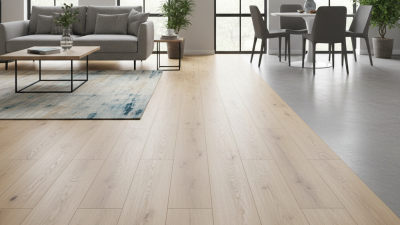
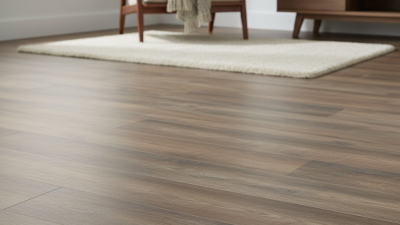
Another key benefit of vinyl flooring is its variety. It comes in numerous styles, colors, and textures. Homeowners can easily find options that mimic natural materials, like wood or stone, without the higher costs. This flexibility allows for creative design choices. However, some may struggle to identify the best quality among the vast selection available.
Comfort is also important. Vinyl flooring offers a softer surface compared to tiles or hardwood. This can be especially advantageous for those who spend long hours on their feet. Additionally, vinyl provides insulation, helping maintain a comfortable temperature in the home. Yet, some may worry about the environmental impact of synthetic materials. It’s essential to research and choose options that are eco-friendly. These considerations can help ensure a satisfying and lasting investment.
Top Vinyl Flooring Tiles Tips for Homeowners and Buyers
| Benefits |
Description |
Maintenance |
Cost |
| Durability |
Resistant to scratches, dents, and stains. |
Easy to clean with damp mop; no waxing required. |
Affordable, typically ranging from $2 to $7 per square foot. |
| Water Resistance |
Ideal for kitchens and bathrooms; can withstand spills. |
Wipe spills immediately; avoid heavy-duty cleaners. |
Cost-effective for water-exposed areas. |
| Variety of Styles |
Available in various colors, patterns, and textures. |
Regular sweeping is sufficient; deep clean every few months. |
Varied pricing based on design complexity. |
| Comfort |
Soft underfoot and warmer than tile or hardwood. |
Avoid moisture buildup; use moisture barrier if needed. |
Generally inexpensive, enhancing value in attractive designs. |
| Easy Installation |
DIY-friendly; can be glued down or clicked together. |
Seamless cleaning process; easy to replace damaged tiles. |
Labor costs can be minimized with DIY installation. |
Selecting the Right Vinyl Flooring Tiles: Essential Considerations
When selecting vinyl flooring tiles, homeowners and buyers should focus on essential considerations that impact both aesthetics and durability. The vinyl flooring industry reports that luxury vinyl tiles (LVT and LVP) have gained popularity due to their water resistance and realistic design. For instance, a 2022 study indicated that LVT occupies around 30% of the flooring market, highlighting its growing significance. SPC (Stone Plastic Composite) and PVC (Polyvinyl Chloride) variations offer enhanced stability, making them ideal for high-traffic areas.
Consider the thickness of your flooring. Thicker tiles generally provide better durability and sound insulation. A minimum of 5mm is often recommended for residential spaces. Pay attention to the wear layer as well; a thicker wear layer can significantly increase the lifespan of LVP and LVT tiles.
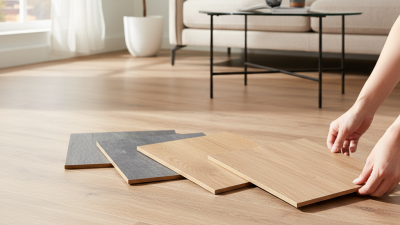
Tips for choosing vinyl flooring: always request samples before buying. This helps you visualize how the tiles will look in your space. Additionally, consider the installation method. Click-lock installations are user-friendly, but glue-down options may offer better stability in specific environments. Balancing these factors ensures you select the right vinyl flooring tiles for your needs, reflecting both style and practicality. Overall, investing time in research pays off by avoiding common pitfalls in flooring choices.
Installation Process: Steps to Successfully Install Vinyl Tiles
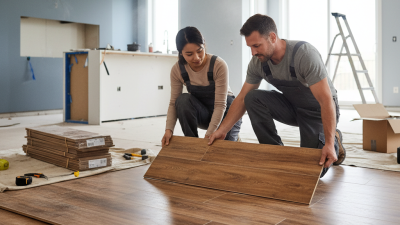
Installing vinyl tiles can be an impactful home improvement project. To achieve a professional look with Spc Vinyl Flooring Tiles, start by preparing the subfloor. Ensure it's clean, dry, and level. Any irregularities can affect the final result. You might want to spend an extra hour here to check for imperfections, as they can lead to issues later on.
Next comes the layout. Measure your space accurately. It’s essential to visualize how the tiles will fit. Consider starting from the center of the room. This often creates a more balanced appearance. Cutting tiles properly is another step that can trip up even experienced DIYers. Use a sharp utility knife for clean edges. Take your time; a rushed cut can ruin a tile and waste material.
As you lay each tile, make sure they fit snugly together. Use spacers if needed for consistent gaps. It’s not uncommon to have a few misalignments during installation. Don’t hesitate to adjust. After laying down the tiles, allow them to acclimate for at least 48 hours. It’s a crucial step often overlooked but vital for durability. Pay attention to your work, and be prepared for a few areas that might need revisiting before enjoying your new floors.
Maintenance Tips for Long-Lasting Vinyl Flooring
Vinyl flooring offers beauty and practicality for your home. However, keeping it looking pristine takes some effort. Regular maintenance is key to ensuring your Vinyl Tiles last. Start by sweeping or vacuuming the floors weekly to remove dirt and debris. This prevents scratches and keeps your surfaces clean.
For deeper cleaning, use a damp mop with a mild detergent. Avoid harsh chemicals; they can damage the finish. After mopping, ensure the floor is thoroughly dried to prevent water damage. Moisture can seep into seams and lead to mold growth, a common issue with vinyl tiles. It's crucial to promptly wipe up spills to maintain your flooring's integrity.
Consider placing mats at entryways to catch grit and grime. This small step can significantly reduce wear and tear. Regularly inspect your vinyl tiles for signs of wear. Addressing issues early can prevent further damage and save you money in the long run. Remember, a little care goes a long way in maintaining the beauty of your vinyl flooring.
Eco-Friendly Options: Sustainable Vinyl Flooring Choices
Choosing eco-friendly vinyl flooring is a smart move for homeowners. Sustainable options are available in various styles and colors. These floors can mimic hardwood or stone, providing aesthetic appeal along with environmental benefits. Many manufacturers now use recycled materials to create their products. This makes a positive impact on reducing waste and conserving resources.
Some sustainable vinyl options even boast low VOC emissions. This means they contribute less to indoor air pollution. However, it’s essential to check certifications to ensure these claims are valid. Recycled content can vary significantly between products, so being informed is crucial. Additionally, while eco-friendly choices often have a higher upfront cost, they can save money in the long run through durability and ease of maintenance.
When selecting vinyl flooring, pay attention to its lifespan and recyclability. Some products may not be as durable as advertised, leading to premature replacement. Reflect on how your choice aligns with environmental goals. A thoughtful selection process can lead to a beautiful and responsible home.
Common Mistakes to Avoid When Buying Vinyl Flooring Tiles
When selecting vinyl flooring tiles, many homeowners overlook crucial factors. One common mistake is not considering the room's moisture levels. Vinyl tiles are known for being waterproof, but not all types perform equally. A study by the National Floor Covering Association indicates that residential areas with high humidity require specific vinyl options to prevent warping and damage.
Another pitfall is neglecting to check the installation method. Improper installation can lead to gaps and lifting over time. Research shows that approximately 15% of DIY installations fail, primarily due to lack of experience. Knowing whether your vinyl tiles need glue or are click-lock can make a significant difference in longevity.
Price often drives decisions, but this can be misleading. Higher-priced options don’t always guarantee better quality. The Consumer Product Safety Commission found that some budget-friendly options offer durability that rivals more expensive counterparts. Understanding the long-term value of Vinyl Tiles Waterproof features can save you money and frustration. Proper research is essential to avoid pitfalls in your vinyl flooring journey.
FAQS
: The two main types are vinyl sheets and vinyl tiles. Sheets are larger, while tiles are smaller squares.
Thicker wear layers offer better protection against scratches. However, they can also increase overall costs.
Vinyl provides a softer surface than tiles or hardwood. This is beneficial for those standing for long periods.
Regular maintenance is crucial. Dirt and moisture can accumulate, which may shorten the flooring's lifespan.
Yes, there are sustainable choices made from recycled materials. They often have low VOC emissions for better air quality.
Some vinyl options may fade with prolonged exposure to sunlight. Researching quality can help mitigate this risk.
Check for certifications and reflect on personal priorities. Not all products have the same durability or performance.
Yes, its durability can save on long-term maintenance costs. However, initial prices may be higher for eco-friendly options.
Low VOC options can contribute less to indoor air pollution. Always verify claims with proper certifications.
Consider your design needs, budget, and how the flooring aligns with environmental goals. Thoughtful choices matter.
Conclusion
Vinyl flooring tiles are a popular choice for homeowners due to their versatility and durability. Understanding the different types and characteristics of vinyl flooring is essential when selecting the right option for your space. The key benefits include affordability, easy maintenance, and a variety of designs that can mimic natural materials.
When choosing vinyl flooring tiles, several essential considerations should be taken into account, such as thickness, texture, and installation methods. The installation process typically involves preparation, alignment, and securing tiles, ensuring a successful fit. To maintain longevity, regular cleaning and avoiding excess moisture are crucial. Additionally, eco-friendly options are becoming increasingly available for those looking to make sustainable choices. Homebuyers should also be aware of common mistakes, such as neglecting warranties or installing in unsuitable environments, to ensure a satisfying purchase and installation experience.