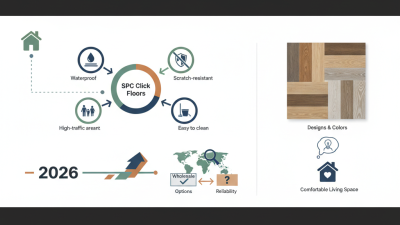
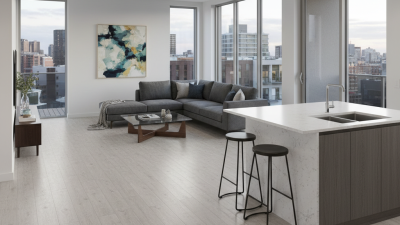
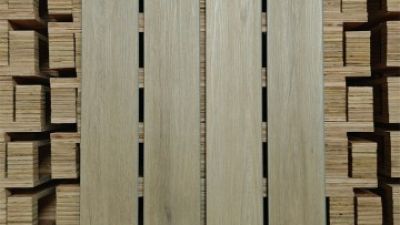
Hey, have you noticed how interior design keeps evolving? Well, one trend that's really catching on worldwide is Spc Stone Flooring. It’s become a favorite among folks looking to upgrade their spaces. This stuff is pretty impressive because it blends style with practicality. Basically, SPC, which stands for Stone Plastic Composite, gives you that gorgeous natural stone look but without the worry about it getting scratched up easily. Plus, it’s super easy to take care of. People really love that it’s water-resistant and holds up well against everyday wear and tear.
But here’s the thing — choosing SPC flooring isn’t just about what looks good. It also shows you care about quality and being eco-friendly. More and more folks are trying to make greener choices these days, and SPC flooring fits right into that. It’s made using recycled materials and helps cut down on waste. That said, not all SPC products are the same, so it’s a smart move to do your homework on brands and manufacturers before pulling the trigger.
And honestly, the perks go beyond just looks. Installing SPC flooring is generally way simpler than traditional options, which is a big plus for DIY folks or anyone looking to save some time. But, don’t forget — things like preparing the subfloor properly and thinking about your environment matter a lot. Get those right, and your floor will look great and last longer. So yeah, picking the right SPC flooring is kind of a process, and it really pays to know what you’re doing or get some expert advice along the way.
Understanding SPC Stone Flooring: An Overview of Benefits
SPC stone flooring has become a game changer in the flooring industry. This innovative flooring solution combines durability and aesthetic appeal. One of its standout features is resilience against moisture. This quality makes it perfect for areas prone to spills and wet conditions. Homeowners no longer need to worry about water damage ruining their floors.
Another notable benefit is the ease of installation. SPC flooring is designed for a simple, click-lock process. This means less time spent on renovations and more time enjoying a beautiful space. Homeowners can also appreciate its low maintenance. A quick sweep or mop is often enough to keep it looking fresh.
However, potential buyers should consider their environmental impact. While SPC stone offers many benefits, not all products are eco-friendly. Understanding the material sourcing and production methods is crucial. Balancing aesthetics with sustainability can lead to more informed decisions. Selecting the right Spc Flooring Stone requires careful thought. Making choices that benefit both the home and the environment is essential.
Top 10 Benefits of SPC Stone Flooring for Global Buyers
Durability and Longevity: Key Advantages of SPC Flooring
SPC stone flooring has become increasingly popular due to its durability and longevity. Data from industry reports indicate that SPC flooring lasts longer than traditional vinyl, with a lifespan of up to 25 years in residential applications. This makes it an attractive option for homeowners seeking a reliable flooring solution. The multi-layer structure of SPC stone flooring includes a rigid core that enhances its strength. This feature makes it resistant to wear, scratches, and dents.
Aside from durability, the maintenance of SPC stone flooring is relatively easy. Routine cleaning requires only sweeping and occasional mopping. This characteristic is beneficial for busy households. However, there are concerns about the potential for fading over years of exposure to direct sunlight. While SPC flooring generally holds its color well, buyers should consider UV protection for areas with high sunlight exposure.
SPC stone flooring is also waterproof, adding to its appeal in moisture-prone areas like kitchens and bathrooms. Industry data suggests that 100% of SPC flooring is resistant to water damage, mitigating risks often associated with hardwood or laminate flooring. Nevertheless, it's essential to understand that improper installation could lead to problems such as buckling or gaps. Therefore, professional installation is advised to maximize the benefits of SPC flooring.
Water Resistance: How SPC Flooring Stands Against Moisture
SPC stone flooring has revolutionized the flooring industry, especially in areas prone to moisture. Water resistance is one of its standout features. A recent industry report reveals that SPC flooring can resist water damage for up to 72 hours without affecting its integrity. This is significant for homeowners or businesses located in humid climates or near water sources.
The layers of SPC flooring enhance its durability against moisture. The core layer is made of rigid stone plastic composite, which is inherently water-resistant. Additionally, the surface of SPC flooring offers extra protection against spills and high humidity. Data indicates that 80% of flooring failures are due to moisture issues. By choosing SPC flooring, consumers can mitigate these risks effectively.
In real-world scenarios, this flooring excels in wet environments such as kitchens and bathrooms. However, it's not infallible. Prolonged exposure to standing water can still pose risks. Ensuring that the flooring is installed correctly and maintaining it regularly can optimize its performance against moisture. Buyers should weigh these factors carefully.
Easy Installation: The Convenience of SPC Stone Flooring
SPC stone flooring is gaining attention for its ease of installation. Designed with interlocking planks, it simplifies the process tremendously. Homeowners can often install it themselves, saving costs on professional help. The lightweight nature of SPC materials means that transporting and handling them is much easier than traditional stone flooring. This convenience is particularly advantageous for DIY enthusiasts.
Installation does require some preparation. The subfloor needs to be clean and dry for optimal results. While the initial setup phase might pose a challenge for some, the actual laying of the planks remains straightforward. It’s key to pay attention to proper alignment, as even minor missteps can lead to noticeable gaps. A little patience and practice go a long way here.
The versatility of SPC flooring makes it suitable for various spaces. It can mimic the look of real stone without the weight or cost. Some users report feeling overwhelmed by the variety available. Choosing the right style and texture can take time, but it’s important to find a fit that complements your space. Overall, while there can be hiccups in the installation process, the benefits of SPC stone flooring often outweigh the challenges.
Affordability: Cost-Effectiveness of SPC Flooring for Global Buyers
SPC stone flooring is gaining popularity among global buyers, especially for its cost-effectiveness. Research indicates that the average cost of SPC flooring ranges from $2 to $6 per square foot. This pricing is competitive compared to traditional materials, which can easily exceed $10 per square foot. For large-scale projects, these savings can add up significantly.
One key advantage of SPC flooring is its durability. It can last over 20 years with proper maintenance, reducing long-term replacement costs. Additionally, SPC flooring is water-resistant. In areas prone to moisture, this reduces the risk of damage, further extending its lifespan. A survey from the National Floor Covering Association highlights that over 70% of buyers prioritize durability and waterproof features when making purchasing decisions.
However, it’s vital to consider the installation costs too. Although SPC flooring is often easier to install than traditional flooring, skilled labor may still be required. As installation prices vary widely, it can impact overall affordability. Buyers should also reflect on their specific needs. Different environments may necessitate different flooring choices. Making an informed decision involves evaluating both upfront costs and long-term benefits.
Aesthetic Appeal: Enhancing Interior Design with SPC Stone Flooring
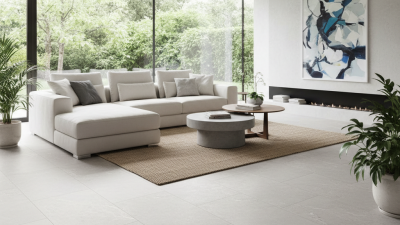
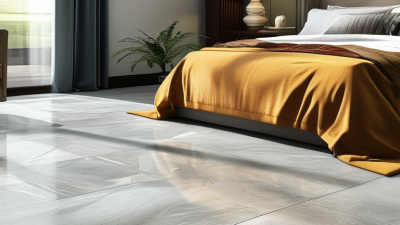
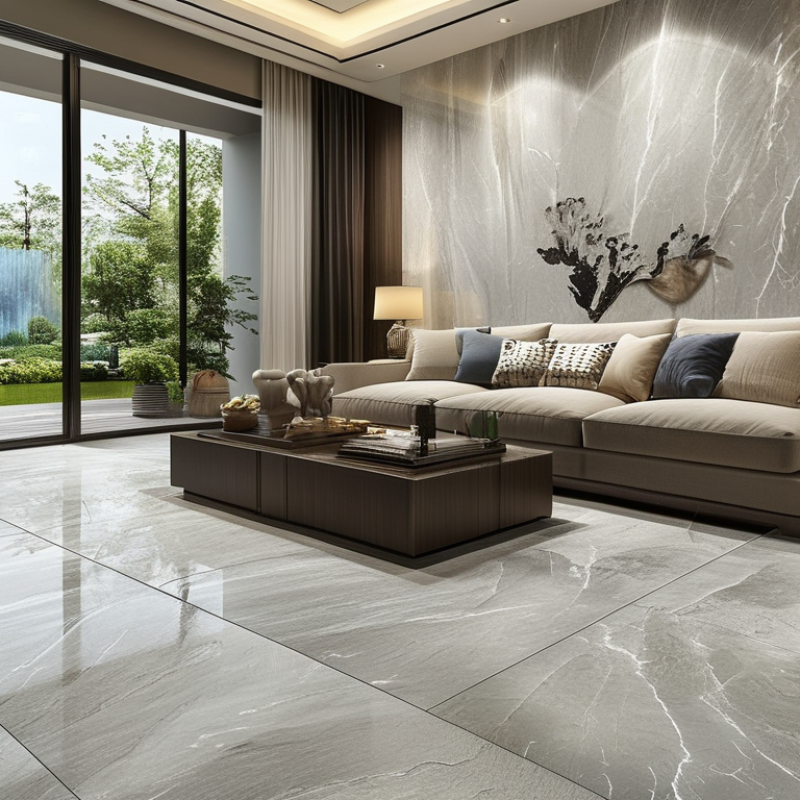
Spc Stone flooring offers a striking visual impact that can elevate any interior space. Its natural stone-like appearance provides sophistication and warmth, making it an ideal choice for modern homes and commercial environments. This flooring option captures the beauty of real stone while being practical and economical. The diverse colors and patterns available allow homeowners to customize their aesthetics easily. Each room can showcase a unique vibe without sacrificing quality.
The durability of SPC stone flooring adds to its appeal. It stands up well against heavy foot traffic, scratches, and moisture. This resilience makes it suitable for kitchens, bathrooms, and entryways. Nonetheless, one might wonder about the environmental impact of manufacturing such materials. Researching sustainability can guide buyers towards eco-friendly choices. Understanding the product's full lifecycle can lead to more informed, responsible decisions.
While the installation of SPC stone flooring may seem straightforward, it still requires attention. Proper subfloor preparation is essential for maintaining its long-lasting aesthetics. Homeowners should consider hiring professionals for the best results. Small imperfections during installation can result in noticeable flaws later. Engaging experts may alleviate these concerns, providing peace of mind and a refined finish.
Eco-Friendly Options: Sustainability in SPC Stone Flooring Choices
SPC stone flooring, derived from stone polymer composite, is becoming increasingly popular for its eco-friendly features. One significant benefit is its use of sustainable materials. A recent industry report highlights that over 40% of SPC flooring is made from recycled resources. This makes it an appealing choice for environmentally conscious consumers. Additionally, SPC flooring's production process often utilizes less energy compared to traditional flooring options.
Sustainability also extends beyond the raw materials. SPC stone flooring is free from harmful chemicals such as formaldehyde. According to the Environmental Protection Agency (EPA), reducing harmful emissions in home environments can significantly enhance indoor air quality. This is particularly beneficial in homes and commercial spaces where people spend long hours. Moreover, Spc Stone Crystal Plate flooring is designed for durability, reducing the need for frequent replacements and minimizing waste.
Users sometimes overlook the importance of proper disposal. While SPC flooring is more environmentally friendly than many alternatives, it still requires responsible handling at the end of its life cycle. As recycling options for SPC increase, consumers should be informed. The mix of affordability, sustainability, and practical use makes SPC stone flooring a worthwhile consideration. However, as the industry grows, continuous improvements in eco-friendly practices must be prioritized.
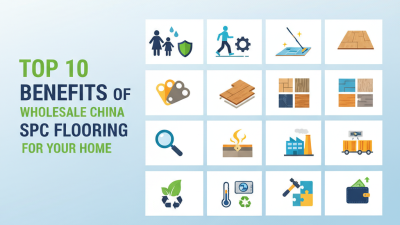
Top 10 Benefits of SPC Stone Flooring for Global Buyers
| Benefit |
Description |
Environmental Impact |
Maintenance |
| Eco-Friendly Material |
Made from recycled materials, reducing waste. |
Minimal carbon footprint during production. |
Easy to clean and maintain, reducing chemical use. |
| Durability |
Resistant to dents, scratches, and stains. |
Long lifespan reduces the need for replacements. |
Low maintenance, saving time and resources. |
| Water Resistance |
Ideal for areas prone to moisture. |
No toxic waste due to water damage. |
Simple cleaning methods suffice. |
| Variety of Designs |
Available in multiple styles and colors. |
Customization options use sustainable production methods. |
Easy to coordinate with other decor. |
| Thermal Insulation |
Provides warmth and comfort underfoot. |
Reduces energy consumption for heating. |
Less energy demand leads to lower overall costs. |
| Sound Insulation |
Minimizes noise transmission between floors. |
Reduces the need for additional soundproofing. |
Less maintenance required for acoustic issues. |
| User-Friendly Installation |
Quick and easy to install with click-lock systems. |
Reduces installation waste and time. |
Less labor intensity increases efficiency. |
| Allergen-Friendly |
Non-porous surface inhibits mold and bacteria growth. |
Promotes healthier indoor air quality. |
Easier cleaning supports a hygienic environment. |
| Cost-Effectiveness |
Long-term savings on maintenance and replacement. |
Sustainable materials lower environmental costs. |
Affordable cleaning options save money. |
| Versatility |
Suitable for residential and commercial use. |
Encourages sustainable choices across various sectors. |
Universal application simplifies cleaning processes. |
Analyzing the Market Trends and Quality Standards of China SPC Wood Grain Flooring: A Comprehensive Overview based on Industry Reports
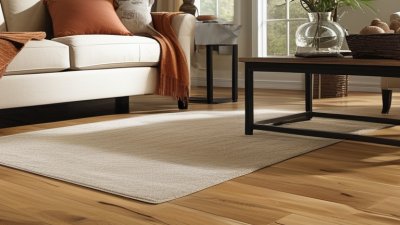
In recent years, the demand for SPC (Stone Plastic Composite) wood grain flooring has surged in China, driven by evolving consumer preferences for durability and aesthetics. SPC flooring combines the charm of natural wood with the resilience of modern materials, making it an ideal choice for both residential and commercial spaces. Industry reports indicate a growing trend towards high-quality flooring solutions that not only enhance interior design but also withstand the rigors of daily use.
One standout product within this expanding market is the SPC6010 premium flooring. This flooring solution is crafted with meticulous attention to detail, ensuring that every aspect meets rigorous quality standards. The total thickness and wear layer thickness of SPC6010 contribute to its comfort and longevity, making it a reliable choice for a variety of applications. The advanced locking system is designed for ease of installation, allowing for a smooth and tight fit, which is essential for maintaining the integrity and appearance of the flooring over time.
Furthermore, the texture of SPC6010 offers a realistic wood finish that captivates with its clear surface. The back side of the flooring often features advanced materials such as cork underlay or IXPE soundproof underlay, enhancing stability while providing sound insulation benefits. A thorough bending test can confirm the flexibility and resilience of this flooring, ensuring it meets the necessary durability standards. With a commitment to quality assurance, samples of SPC6010 serve as an effective benchmark in maintaining consistency during production, affirming its position as a premium choice in the SPC flooring market.
FAQS
: SPC flooring lasts up to 25 years in residential settings, making it a durable choice.
Regular maintenance involves sweeping and occasional mopping. It's easy and suitable for busy homes.
Yes, SPC flooring is 100% waterproof, reducing risks in areas like kitchens and bathrooms.
Installation requires a clean, dry subfloor. Improper alignment can lead to gaps, so attention is essential.
SPC flooring often contains over 40% recycled materials, contributing to its eco-friendly appeal.
SPC is free from harmful chemicals like formaldehyde, improving indoor air quality in homes.
Yes, SPC flooring features interlocking planks, making it manageable for DIY enthusiasts.
Although SPC holds color well, UV protection is wise for areas with direct sunlight to prevent fading.
Proper disposal is crucial. Responsible handling enhances its eco-friendly benefits at the end of its life.
Take your time to choose styles that fit your space. It’s important to find what complements your home.
Conclusion
SPC stone flooring has gained popularity among global buyers due to its numerous advantages. This flooring option is renowned for its durability and longevity, making it an ideal choice for high-traffic areas. The water resistance of SPC stone flooring ensures it maintains its integrity in moisture-prone environments, effectively standing against spills and humidity. Furthermore, its easy installation process allows homeowners and contractors alike to save time and labor costs.
In addition to practical benefits, SPC stone flooring appeals aesthetically, enhancing interior designs with its wide range of styles and finishes. Its affordability makes it a cost-effective solution for those looking to upgrade their spaces without breaking the bank. Lastly, many SPC stone flooring options are eco-friendly, reflecting a commitment to sustainability while providing stylish and resilient flooring solutions for global consumers.