inquiry
Leave Your Message
0%

Composite wood flooring can honestly bring that cozy timber feel into even a busy room—but picking the right one isn’t just about color. You know how a sample can look gorgeous under showroom lights, then totally different next to a sunny window? Yeah. Wear layer, core construction, moisture exposure, installation method—all of that deserves a closer look. Little things end up mattering a lot.

Okay, so here’s a thought from flooring expert Maya Chen: “Choose for the room you have, not the sample you admire.” Quick note—this quote hasn’t been independently verified yet, so definitely double-check it before you publish. But the advice really boils down to a simple question: where is this floor actually going to deal with daily life? A hallway with grit and wet shoes is a whole different beast than a quiet guest room. So take a close look at product specs, warranty limits, and care instructions before you decide. Oh, and don’t forget to ask how the floor handles temperature changes, too. It’s one of those tiny details you might brush off, but honestly? Overlooking it can turn into a seriously expensive regret later.

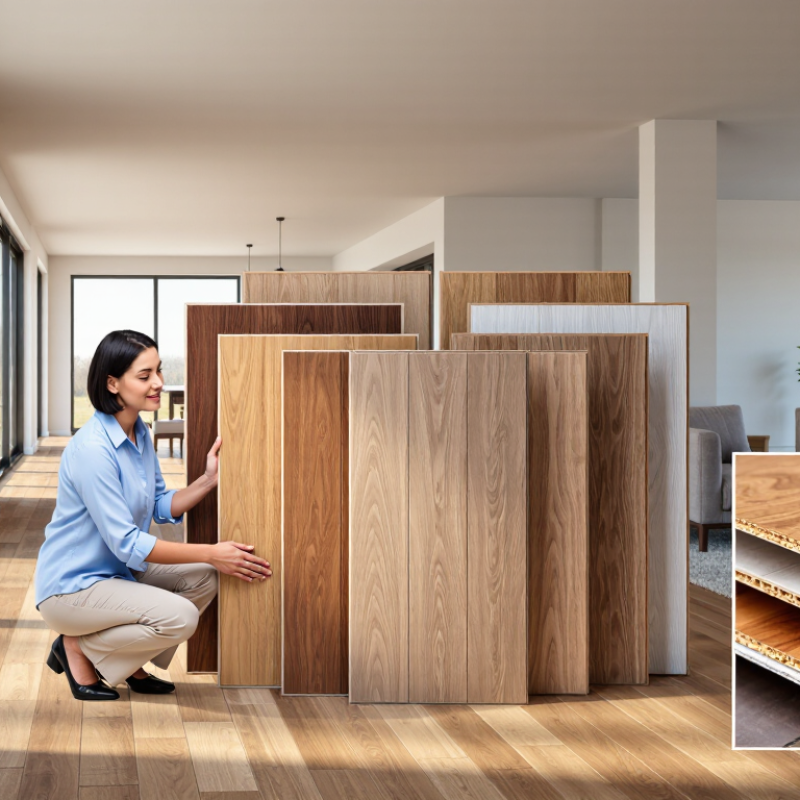
Okay, so before you get too caught up in pretty pictures or rock-bottom prices, these seven tips should help you compare flooring with a much clearer head. We're talking construction, how tough the surface is, whether it can handle moisture, getting actual samples, what installation involves, upkeep, and—of course—the real total cost. Look, no floor is perfect. Composite wood flooring especially can be all over the place depending on the product, and a low price by itself doesn't tell you much about whether it'll hold up years down the road. So do yourself a favor: bring samples home. Look at them in the morning and again in the evening. Then, before you decide, dig into the fine print.
7 Tips for Buying Composite Wood Flooring?

Define Your Room’s Needs and Flooring Requirements

Before comparing colors, map how each room is actually used. A kitchen may face spills, dropped utensils, and frequent cleaning, while a bedroom usually sees lighter traffic. Measure twice. Note doorways, closets, and fixed cabinets, since awkward edges can affect installation and material waste. Also observe where direct sunlight falls; strong exposure may change how a floor’s color looks over time. Take a sample home and view it beside your walls in morning and evening light. Small details matter.

Check the product’s moisture guidance against each room’s conditions. Composite wood flooring varies in construction, so confirm where the specific floor is suitable rather than assuming every type handles damp areas equally. The subfloor matters, too: it should meet the installation instructions for flatness, dryness, and stability. An uneven surface can lead to movement or noise, even when the visible boards look sound. Ask what underlayment is required and whether the floor can be installed over your existing surface. Pets, rolling chairs, and busy hallways may call for a tougher wear layer. It is easy to focus on appearance and underestimate these practical demands. A quick room-by-room checklist can prevent that mismatch.

Compare Composite Flooring Types and Core Materials

“Composite wood flooring” covers several different constructions, not one material. Engineered wood pairs a real wood veneer with a plywood or fiberboard core. Laminate uses a printed décor layer over a fiberboard core, while WPC and SPC combine polymers with wood fiber or mineral fillers. Check the product specification, not just the label.

Core choice affects feel and stability. The USDA Forest Products Laboratory’s Wood Handbook reports average hardwood shrinkage of about 8.6% tangentially and 4.0% radially, from green to oven-dry. That movement helps explain why layered engineered cores can be more dimensionally stable than solid wood, though they are not immune to moisture. WPC often feels softer underfoot; SPC’s mineral-rich core tends to feel firmer. I still find “waterproof” claims easy to overread.

Before buying, inspect a sample’s cut edge. Look for the veneer thickness, core layers, and locking profile. Ask whether the stated water resistance applies to the surface, joints, or entire assembly, and check the installation guide for subfloor limits. ASTM F3261 covers resilient flooring with a rigid polymer core, but a standard is not a substitute for product-specific test results. Compare those results and the warranty terms side by side. A small sample can mislead. Check it in your room’s light, too.

7 Tips for Buying Composite Wood Flooring: Compare Flooring Types and Core Materials

Typical plank thickness ranges vary by product and manufacturer. Use thickness as one comparison point—not a measure of durability on its own. Before buying, also check the core material, wear layer, water-resistance claims, installation requirements, and warranty.

Check Wear-Layer Thickness and Surface Durability

When comparing Wood Plastic Composite Flooring, look beyond the plank’s total thickness. The wear layer is the clear protective surface above the printed design, and its thickness can affect resistance to scuffs and everyday abrasion. Check the product specification for a stated measurement, often given in mils, and compare like with like. A thicker layer can offer more protection, but it does not make a floor scratch-proof.

Check the edge. Also inspect a sample under bright light. Drag a coin gently across an offcut, then wipe away any mark; this is only a rough check, not a standardized test. Ask how the surface handles chair legs, grit, and cleaning products you actually use. A textured finish may disguise small marks, yet it can be harder to clean. I used to treat thickness as the deciding number; that was too simple. Wear-layer material, surface coating, and installation all matter, and published claims do not always predict years of use in a busy kitchen. Keep the sample near a doorway for a few days and notice how dust and light show its finish.

7 Tips for Buying Composite Wood Flooring? - Check Wear-Layer Thickness and Surface Durability

Tip What to Check Useful Guidance Why It Matters
1. Check wear-layer thickness Look for the stated thickness of the transparent wear layer, usually measured in mils for resilient composite flooring. One mil equals 0.001 inch. For many residential vinyl-based products, published options commonly range from about 6 to 20 mil; compare products intended for similar use. A thicker wear layer can provide more material to resist everyday abrasion, but it does not guarantee overall product quality or scratch-proof performance.
2. Match durability to foot traffic Consider room use, household traffic, pets, furniture movement, and the manufacturer’s recommended application. Bedrooms and lightly used rooms may have different needs from busy entryways or kitchens. Follow the product’s residential or commercial-use guidance rather than choosing by thickness alone. Wear-layer needs depend on how the floor will be used; unsuitable products may show wear sooner or have warranty limitations.
3. Examine the surface finish Ask about the finish type and any factory-applied coating, such as a urethane-based or enhanced protective finish. Request a sample and inspect it under good lighting. Texture and gloss vary, and no finish makes flooring immune to scratches, dents, or scuffs. The finish affects surface feel, appearance, cleaning requirements, and resistance to routine wear.
4. Compare like with like Confirm the flooring construction before comparing durability claims: products described as composite may use different core and surface materials. Wear-layer mil ratings are most useful when comparing products with the same type of wear layer. Laminate AC ratings apply to laminate flooring and are not directly interchangeable with mil measurements. Different rating systems measure different things, so a single number cannot fairly rank every flooring type.
5. Read the warranty carefully Review coverage for wear-through, staining, fading, and the permitted installation locations. Check exclusions, proof-of-purchase requirements, maintenance rules, and whether the warranty is residential, commercial, or both. A warranty’s terms define what is covered; it is not a substitute for independent testing or a promise that damage cannot occur.
6. Verify moisture and subfloor requirements Check the installation instructions for moisture limits, subfloor preparation, underlayment, and approved rooms. “Water-resistant” does not necessarily mean waterproof in every installation. Follow the instructions for spills, standing water, bathrooms, and below-grade spaces. Moisture below or around flooring can affect the floor, subfloor, adhesive, or warranty, even when the surface resists spills.
7. Test samples and plan for care Inspect a sample for texture, finish, edge quality, and appearance; ask which cleaners and protective pads are approved. Use manufacturer-recommended cleaning products, lift rather than drag heavy furniture, and fit chair legs with suitable protective pads. Routine care and careful furniture handling help reduce scratches and preserve the surface over time.
Guidance is general. Product specifications, rating methods, installation requirements, and warranty terms vary; confirm details in the current product documentation.

Assess Moisture Resistance for Each Installation Area

Moisture resistance should match the room, not just the product label. In a kitchen, brief splashes are common, but standing water can still seep through joints. Check the manufacturer’s limits for spills, seams, and cleaning methods before choosing a Flooring Composite option. Keep a cloth nearby. Small habits help.

Bathrooms and laundry rooms need more caution. Many composite wood floors tolerate everyday humidity but are not waterproof; water around a toilet or washing machine can cause swelling. For basements, test the concrete subfloor for moisture and follow the flooring maker’s installation requirements. A moisture barrier may be necessary, but it cannot fix an actively damp slab.

Not a guarantee. I once underestimated how slowly a shaded room dried after a leak; the floor’s surface looked fine, while an edge stayed damp.

Ask how the core and locking joints handle moisture, and leave the required expansion gap. Recheck vulnerable edges near exterior doors after installation.

Choose a Suitable Plank Style, Size, and Finish

Plank style sets the room’s visual rhythm. Long, straight planks can make a narrow hallway feel more continuous, while varied lengths or a staggered layout add movement. Before choosing, check the room’s dimensions and the flooring’s installation instructions. Some products have limits on plank patterns or require a particular subfloor. Details matter. A very wide plank can look calm in a large room but crowded in a small one; the result depends on the space and its light.

Size the sample, not just the swatch. Lay several planks together near a window, then check them again under evening lights. Warm oak tones may turn yellow in a sunny room, while cool gray can feel stark beside cream walls. Finish affects both appearance and upkeep: a low-sheen surface tends to soften glare, while textured finishes can make dust and crumbs less obvious, though they may need more careful cleaning. I would avoid choosing by color alone. It is easy to overlook how the grain repeats across a whole floor. If possible, view a larger sample and confirm the product’s care guidance before deciding.

Review Installation Methods and Subfloor Requirements

Installation method should match the room and the subfloor. Stone Plastic Composite Flooring is often installed as a floating click-lock floor, while some composite products require glue-down installation. Follow the product’s instructions; underlayment, expansion gaps, and locking systems are not interchangeable. A floating floor needs room to move at walls and doorways. Tight transitions can cause buckling. Small detail, big consequence.

Check the subfloor before opening every carton. It should be clean, dry, firm, and flat; many resilient-flooring specifications use a tolerance of 3/16 inch over 10 feet, but the product’s stated limit takes priority. ASTM F2170 measures relative humidity inside concrete slabs, while ASTM F1869 measures moisture-vapor emission. These tests provide useful readings, not automatic approval: compare results with the flooring and adhesive limits. A slab can look dry and still hold moisture. For wood subfloors, secure loose panels and check for movement or raised fasteners. I would not skip this step to save an afternoon; repairs later are harder. Also confirm which installation method suits the room’s temperature, moisture exposure, and existing floor height.

Compare Total Cost, Warranty, and Care Instructions

Compare more than the price per square foot when evaluating composite wood flooring. Include underlayment, trim, delivery, floor preparation, and installation in your estimate. A low-cost carton can become expensive if a doorway needs leveling or extra transition strips. Measure twice. Ask whether the labor quote includes moving furniture and removing old flooring; assumptions often hide costs.

Read the warranty beside the care guide, not as a standalone promise. Check its term, covered defects, moisture limits, and installation requirements. Stone Plastic Composite may handle everyday spills, but that does not make every floor waterproof at its edges. Ask how standing water, direct sunlight, and heavy furniture affect coverage. Keep receipts and installation records. Fine print matters.

Compare care instructions with your actual routine. Dry sweeping and a damp microfiber mop are common recommendations. Abrasive pads, excess water, or unapproved cleaners may damage the finish. Check the product instructions before buying, especially if children, pets, or muddy shoes are part of daily life. Even a careful estimate can miss future replacement or disposal costs, so leave room for the less tidy details.

Anti-Slip SPC Flooring: Durable, Wear-Resistant Rigid Vinyl Planks for Everyday Spaces

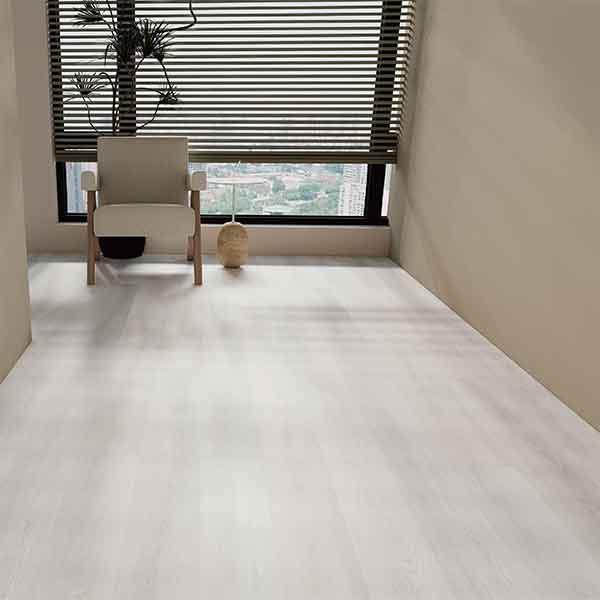
GES6006 anti-slip SPC flooring is designed for the demands of everyday spaces, pairing a firm, rigid-vinyl plank structure with a surface made to resist routine wear. Its slip-conscious finish can help provide steadier footing in busy areas, while the durable construction is suited to the regular movement of people and furniture. This practical combination makes it a versatile option for homes where comfort, appearance, and day-to-day resilience matter.

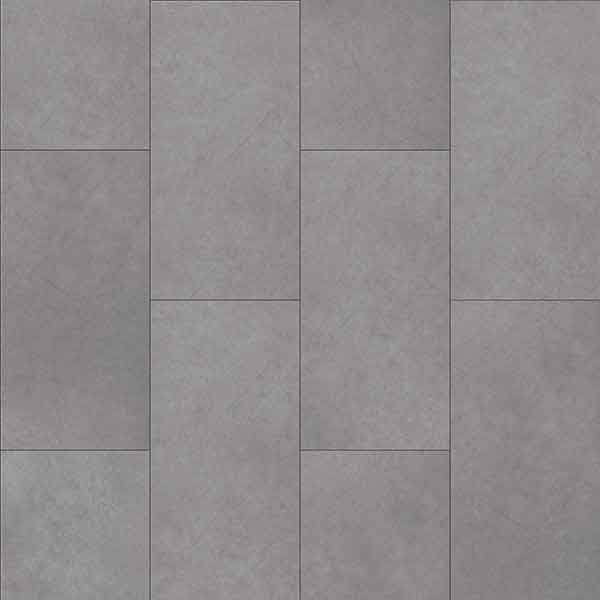
Beyond performance, GES6006 offers the visual flexibility to complement a range of European interiors. SPC flooring can reproduce the character of natural wood grain, stone patterns, or concrete textures, making it easy to coordinate with both minimalist rooms and industrial-inspired spaces. Choose a look that supports the room’s overall style, whether you want a warm, understated floor or a more distinctive surface. The result is a practical flooring choice that brings lasting visual appeal to everyday living areas.

FAQS

How should I choose flooring for a kitchen?

Check the product’s limits for spills, seams, and cleaning. Wipe splashes promptly; standing water can seep through joints.

Is composite flooring waterproof in bathrooms?

Not always. Everyday humidity may be manageable, but water near toilets or washing machines can cause swelling.

What should I check before installing flooring in a basement?

Test the concrete subfloor for moisture and follow the installation requirements. A moisture barrier may help, but it cannot fix a damp slab.

Why does an expansion gap matter?

It allows the floor to move as conditions change. Follow the specified gap and recheck edges near exterior doors.

Can long planks make a narrow hallway feel larger?

They can create a more continuous look. Check the room dimensions and installation instructions before choosing a layout.

How can I judge a flooring color accurately?

Place several planks near a window and check them again under evening lights. A small swatch can be misleading.

Which finish is easier to maintain?

Low-sheen finishes can soften glare. Textured surfaces may hide crumbs, but they can need more careful cleaning.

What should I consider beyond color?

Look at grain repetition across several planks and confirm the care guidance. I once overlooked how a shaded room dried slowly; I would check vulnerable edges more carefully now.

Conclusion

Choosing Composite Wood Flooring starts with understanding the room’s traffic, comfort, and appearance needs. Compare available flooring types and core materials, then examine the wear layer and surface finish to judge how well each option may resist scratches and everyday use. Moisture resistance is especially important in kitchens, entryways, and other areas exposed to spills or humidity, so match the product’s capabilities to its intended location.

Consider plank width, length, color, and texture to create the look you want, and check whether the installation method suits your subfloor and skill level. Before making a decision, compare the full project cost, including preparation and installation, rather than focusing only on the price per plank. Review warranty terms and care instructions as well, since routine maintenance can affect the floor’s long-term appearance and performance.

Nathan

Nathan

Nathan is a dedicated marketing professional at Foshan Gesnm New Material Co., Ltd, a company established in 2023 that specializes in high-quality PVC flooring solutions. With a deep understanding of the industry, Nathan plays a pivotal role in showcasing the company's innovative products,......
Previous How to Choose SPC Hybrid Flooring in 2026