You know, picking Spc Hybrid Flooring in 2026? It's way more than just eyeballing colors, textures, or what they charge at the showroom. Honestly, you need to dig into the evidence.
Okay, so I've been digging into a couple of reports on luxury vinyl flooring, and the picture is pretty consistent. Grand View Research says the market's growing steadily, and they attribute that to things like waterproof performance, easier installation, and a boom in residential renovations. Then you've got Fortune Business Insights pointing at durability and design flexibility as the big drivers. Sounds great, right? But here's the thing – these reports usually lump SPC in with the broader luxury vinyl category. And that's a bit of a problem. Because when you try to compare numbers across these reports, they're not exactly apples to apples. So yeah, the headline numbers might look solid, but you've got to take them with a grain of salt.
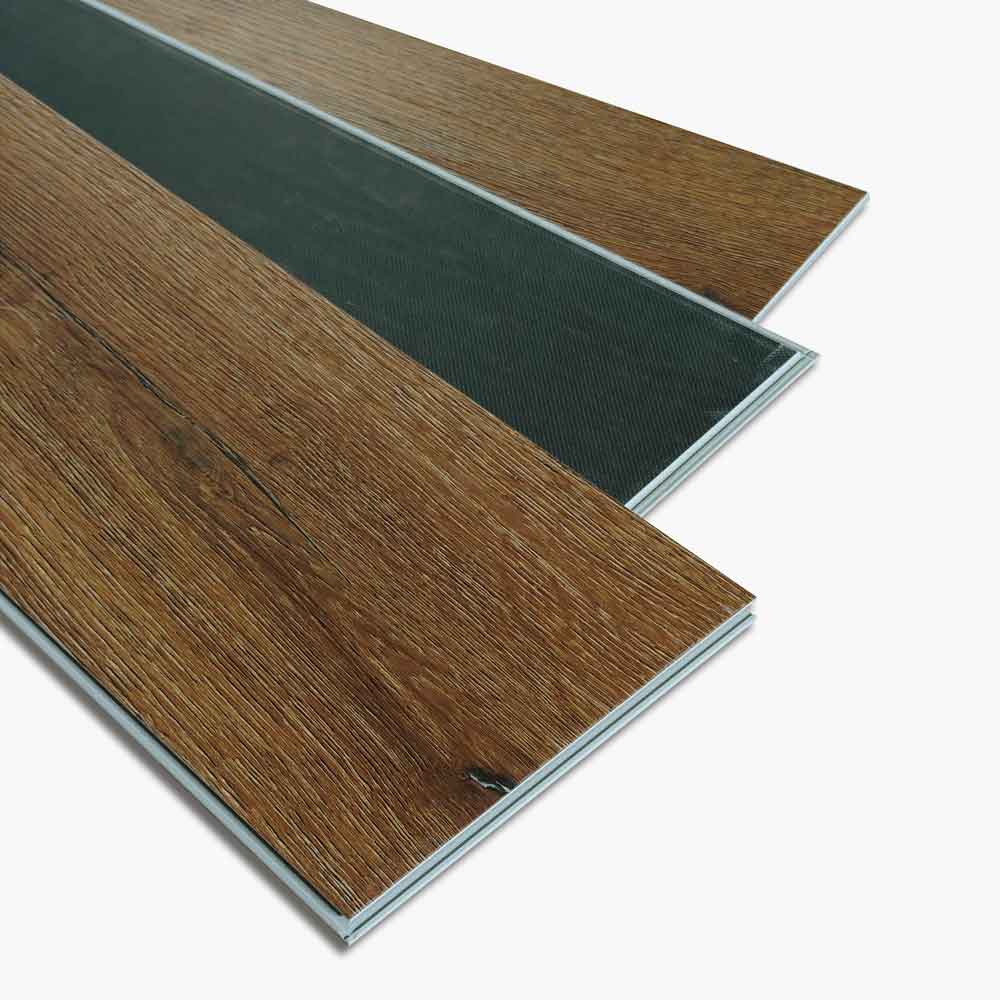
Alright, so SPC hybrid flooring – it's basically a combo of a rigid stone-plastic core, a printed design layer, and a protective wear layer on top. You know what I mean? Picture a busy hallway with people tracking in from the kitchen with wet shoes, or a dining chair being dragged across the floor. The right floor should be able to handle all that everyday stuff without promising the impossible.
You know, Brett Miller—he's a pretty well-known flooring inspector and a rep for the National Wood Flooring Association—is always saying that a floor’s performance really comes down to the whole installation system, not just the wood itself. In other words, the subfloor, the expansion gap, moisture levels, and even the installer’s skill can make or break things just as much as the planks you picked out. A gorgeous board isn’t going to save you from a damp concrete slab. No way.
Let’s be real—this guide isn’t just another checklist. We dig into the nitty-gritty: wear-layer thickness, core density, click-lock design, acoustic underlay, formaldehyde documentation, warranty language, and climate suitability. And yeah, we’re also here to poke holes in a few popular assumptions. Just because a floor is labeled 'waterproof' doesn’t mean it’s damage-proof. And 'easy installation'? That doesn’t automatically get you a quiet, stable floor either.
Picking the best SPC hybrid flooring in 2026 isn't just about what looks nice in a brochure. You've got to think about the room itself, how much foot traffic it'll see, and how much maintenance you're actually willing to do—plus the technical specs need to check out too. Samples are helpful, sure, but they can hide issues with joint quality or what's going on underneath the surface. So even if the sales pitch sounds great, you still need to compare carefully.
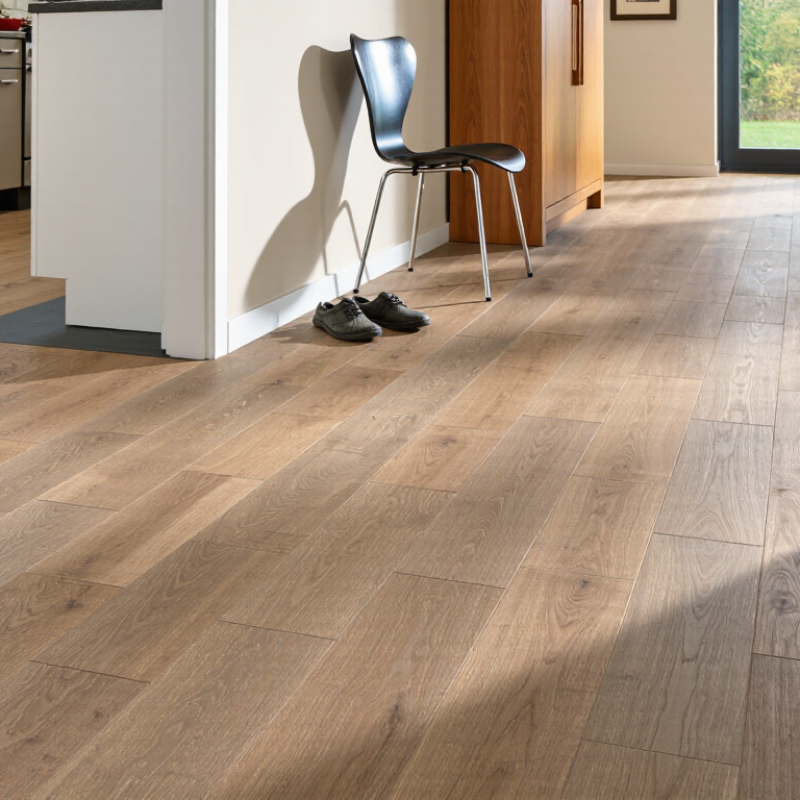
In 2026, choosing SPC hybrid flooring starts with understanding its structure, not its printed timber pattern. SPC usually combines limestone powder, PVC, and stabilisers in a dense rigid core. This core resists dents better than many softer vinyl products. It does not make the floor indestructible. Moisture resistance is another core feature. A properly sealed click system can handle spills, damp rooms, and routine mopping. Standing water still needs prompt removal.
Look closely at the wear layer, locking profile, and attached underlay. A thicker wear layer can improve resistance to scratches and household traffic. However, thickness alone does not prove long-term quality. Ask for abrasion results, slip-resistance data, emissions testing, and installation instructions. Reliable documentation should identify test methods and product limits. If a seller gives only a vague waterproof claim, pause.
Subfloor preparation often decides the final result. Concrete should be dry, clean, and flat within the stated tolerance. Small ridges can create hollow sounds or stress joints under heavy furniture. Leave the required perimeter gap, even when the room looks compact. Sunlit areas may expand differently from shaded corners. Use curtains or suitable blinds where intense heat is likely. SPC feels firm underfoot, and some rooms may sound sharper without acoustic backing. I would not assume attached underlay solves every acoustic problem. Check room temperature, expansion guidance, and local building requirements before installation.
Room conditions should guide your flooring choice before appearance does. Check moisture, sunlight, temperature changes, and subfloor stability. A bathroom may need strong water resistance, while a sunny lounge needs reliable colour stability. Hybrid Spc Vinyl Flooring can suit busy rooms because its rigid core resists dents and everyday movement. Still, it cannot correct a damp or uneven subfloor.
I usually inspect the floor with a straightedge before installation. Gaps, soft spots, and height differences should be repaired first. Small errors can become visible after several weeks. It is not magic. In kitchens, measure splash zones and allow suitable expansion space around cabinets and walls. In bedrooms, consider footfall, cleaning habits, and noise. A quality wear layer helps resist scratches, but chair pads still matter.
Performance needs also depend on household routines. Homes with pets may need a textured surface for better traction and easier cleaning. Open-plan areas often benefit from acoustic support beneath the planks, if the flooring system permits it. Check the product’s installation guidance, wear rating, warranty conditions, and indoor air documentation. I once chose a durable floor for a bright room but underestimated afternoon heat. The surface performed well, yet the colour felt harsher than expected. Practical testing, not a showroom sample alone, gives a more dependable decision.
Choosing SPC hybrid flooring in 2026 starts with understanding its construction. The rigid core usually combines limestone powder, PVC, and stabilizers. This structure resists dents better than many soft vinyl products. It also limits expansion near sunny windows. However, rigid does not mean unbreakable. Poor subfloor preparation can create hollow sounds or stressed joints. A dry, level base remains essential for Spc Hybrid Flooring 5g Click installations.
Thickness affects comfort, strength, and installation tolerance. A 4mm plank can suit light residential rooms with a smooth subfloor. Thicker boards, such as 6mm or 8mm, feel firmer underfoot and hide minor surface variation more effectively. They may also reduce noise when paired with a suitable acoustic backing. Measure twice. Cut once. An attached pad is convenient, but it cannot correct deep dips beneath the flooring.
The wear layer protects the printed design from daily traffic, grit, and chair movement. For bedrooms, a 12-mil layer may be adequate. Busy kitchens, hallways, and rental properties often deserve 20 mil or more. Look beyond the number. A strong coating, realistic embossing, and clear testing information matter too. Ask for abrasion results and warranty conditions before buying. I would also inspect a full sample under daylight, because a small showroom piece can hide texture, color, and edge-locking flaws.
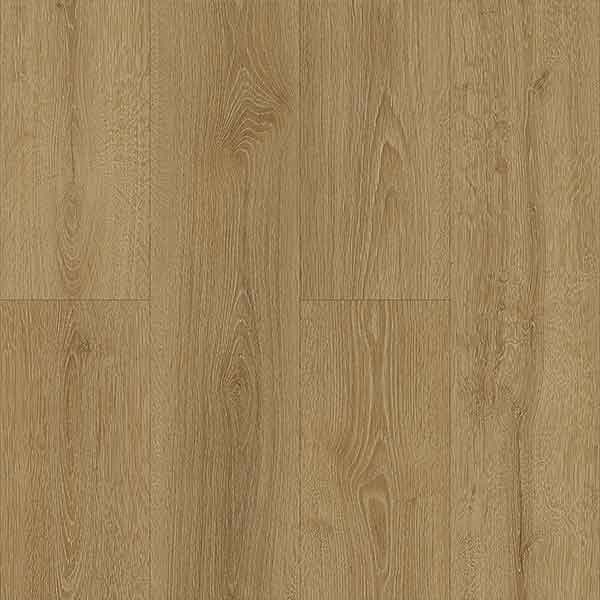
In 2026, color selection for Spc Hybrid Vinyl Plank should begin with natural light. Grand View Research projects the global luxury vinyl tile market to grow at a 7.7% CAGR from 2024 to 2030. This growth reflects demand for realistic wood visuals, not endless gray floors. Warm oak, muted walnut, and pale ash suit rooms with white walls. Test samples beside windows, cabinets, and metal fixtures. A color can change dramatically by afternoon.
Texture should support the room’s daily use. Embossed-in-register surfaces align grain patterns with printed visuals, creating a more convincing wood effect. Subtle wire-brush textures hide small marks better than perfectly smooth planks. For kitchens and entryways, choose lower-contrast grain and medium tones. Very dark textures reveal dust quickly. Very pale textures can expose muddy footprints. I learned this after a showroom sample looked elegant, but became visually flat under strong ceiling lights.
Surface finish also changes perceived scale. Matte finishes reduce glare and usually look more authentic than high gloss. The 2024 flooring market outlook from Fortune Business Insights identifies residential renovation as a major demand driver, with design realism remaining important. Still, statistics cannot predict your hallway. Compare three samples across one full day. Check barefoot comfort, reflected light, and cleaning marks. My first choice was too cool. That mistake was useful.
Hybrid Flooring is only as reliable as the surface beneath it. During a recent room renovation, I found a small ridge under old vinyl. It looked harmless. It was not. After installation, the uneven area created a faint clicking sound underfoot. A moisture meter and two-metre straightedge would have revealed the problem earlier.
Choose an installation system that suits the room and your skill level. Click-lock boards install quickly and allow limited replacement later. However, damaged joints can result from forced connections or an uneven subfloor. Glue-down systems may improve stability across large spaces, but they require careful adhesive coverage and longer preparation. Read the installation guide, even when the process seems familiar.
Underlayment also deserves attention. Some SPC products include an attached layer, while others need a compatible underlayment. Adding another layer without checking can make joints flex or separate. The subfloor should be clean, dry, firm, and reasonably flat. Concrete may need moisture testing and patching. Timber floors might require loose boards to be secured and high spots sanded. Leave the flooring indoors for the stated acclimation period, if the instructions require it. This step feels slow. It can prevent visible gaps later. I once skipped a final temperature check, assuming the room was stable. That assumption was careless. Keep expansion gaps consistent around walls, cabinets, and door frames, then inspect every row before moving on.
How to Choose SPC Hybrid Flooring in 2026
Safety should be checked before appearance. Ask for current test reports, not only product labels. Look for verified limits on volatile organic compounds, formaldehyde, slip resistance, and fire performance. Requirements differ by country and room use. A bathroom sample may feel stable, yet poor subfloor preparation can create movement. Check whether the flooring is approved for wet areas and underfloor heating. A qualified installer should measure moisture, flatness, and expansion gaps. Small installation errors become loud clicks later.
Durability depends on more than a thick wear layer. Examine the core, locking joints, surface coating, and dimensional stability. Drag a chair leg across a sample. Inspect the edge after bending it gently. This is not a laboratory test, but it reveals weak construction. For maintenance, use a soft broom, damp mop, and manufacturer-approved cleaner. Avoid standing water and steam unless the care instructions permit them. Sand and pet claws still cause wear. I may sound overly cautious, but cleaning claims are often too broad.
Read the warranty line by line. Confirm coverage length, commercial limitations, fading rules, moisture exclusions, and repair responsibilities. Check whether installation records and receipts are required. A long warranty is not automatic proof of quality. Ask who handles claims and how replacement boards are matched. Keep spare planks from the same batch. They may become useful after several years.
| Evaluation Dimension | What to Check | Practical Benchmark or Requirement | Evidence to Request | Buyer Assessment |
|---|---|---|---|---|
| Product Composition | Confirm that the product is a rigid-core resilient floor covering and identify the wear layer, core, backing, and surface finish. | A clearly stated construction should include thickness, wear-layer thickness, dimensions, locking profile, and whether an attached underlay is included. | Technical data sheet, cross-section drawing, product specification, and installation instructions. | Essential information |
| Chemical Safety | Check emissions of volatile organic compounds and restricted substances, especially for bedrooms, nurseries, and poorly ventilated rooms. | Prefer products supported by an independent indoor-air-emissions test. Do not rely only on terms such as “eco” or “non-toxic.” | Recent laboratory test report stating the tested product, test method, date, and measured results. | Verify independently |
| Relevant Standards | Check whether the declared standard matches the destination market and product type. | Common references include ISO 10582 for heterogeneous PVC floor coverings, EN 14041 for essential characteristics of resilient floor coverings, and ASTM product specifications applicable to resilient flooring. | Declaration of performance, conformity documentation, or a certificate that identifies the exact product series. | Match local rules |
| Slip Resistance | Review the tested slip-resistance method rather than assuming that a textured surface is automatically safer. | For European projects, a documented classification under an applicable method such as DIN 51130 may be relevant. The required level depends on footwear, moisture, slope, and building use. | Slip-resistance test report and clear explanation of the test method and conditions. | Use-case dependent |
| Fire Performance | Consider fire classification where required by building regulations, multi-unit housing, or commercial use. | European projects may use EN 13501-1 classifications. The classification applies to the tested floor assembly and installation conditions, not automatically to every installation. | Fire-test report or classification report for the exact product and specified installation system. | Confirm assembly |
| Wear Layer | Compare the transparent protective layer, not only the total plank thickness. | Residential products commonly use wear layers around 0.20–0.30 mm, while heavier residential or light-commercial products may use approximately 0.40–0.55 mm. Actual suitability depends on traffic and maintenance. | Manufacturer specification stating the wear-layer thickness and test basis. | Higher is generally better |
| Dimensional Stability | Assess resistance to expansion, contraction, joint opening, and locking-system stress. | Look for dimensional-stability testing and strict installation limits for temperature, sunlight, subfloor flatness, and expansion gaps. | Test results, installation manual, acclimation instructions, and permitted room-size limits. | Installation sensitive |
| Water Resistance | Distinguish between water-resistant flooring and a waterproof floor assembly. | SPC planks are generally resistant to routine surface spills, but seams, perimeter gaps, subfloors, plumbing leaks, and prolonged standing water can still cause damage. | Written water-resistance claim, seam guidance, perimeter-sealing requirements, and exclusions. | Do not overclaim |
| Scratch and Stain Resistance | Check how the surface handles footwear, furniture, pet activity, and household chemicals. | Prefer documented abrasion, stain, and chemical-resistance results. No resilient floor is completely scratch-proof; furniture pads and entry mats remain important. | Test method, rating or result, cleaning-chemical list, and care instructions. | Maintenance still required |
| Acoustic Performance | Review impact sound and walking-noise performance if the flooring will be installed upstairs or in apartments. | Do not assume that an attached underlay provides the same acoustic result as a tested floor-and-underlay system. | Impact-sound test results, underlay specifications, and installation assembly details. | Assembly specific |
| Subfloor Requirements | Check flatness, dryness, cleanliness, structural soundness, and compatibility with the existing subfloor. | Follow the installation manual. Rigid-core flooring does not eliminate the need to correct significant unevenness or moisture problems. | Subfloor tolerances, moisture limits, preparation procedure, and approved substrates. | Critical for service life |
| Routine Maintenance | Review daily cleaning requirements and prohibited cleaning methods. | Use regular sweeping or vacuuming, promptly remove spills, and damp-mop with a compatible cleaner. Avoid excessive water, abrasive powders, steam cleaners unless expressly approved, and wax or polish that leaves residue. | Care guide listing approved products, prohibited methods, and stain-removal instructions. | Low routine effort |
| Repairability | Determine whether individual planks can be replaced without removing a large area of flooring. | A click-lock system may allow plank replacement, but access, furniture, wall direction, and installation method affect the practicality of repairs. | Repair procedure, spare-plank availability, and locking-system limitations. | Plan for spares |
| Color and Batch Consistency | Check shade variation between cartons and the possibility of future production changes. | Inspect cartons before installation and mix planks from multiple cartons. Keep spare planks from the same batch for future repairs. | Batch or lot information, installation guidance, and replacement-stock policy. | Keep spare material |
| Warranty Duration | Separate residential and commercial warranty periods and identify when the warranty begins. | Market warranties vary widely; residential coverage may commonly be stated in year-based terms, while commercial coverage is often shorter. The number of years alone does not prove performance. | Complete warranty document showing term, eligible user, start date, and registration requirements. | Compare conditions |
| Warranty Exclusions | Review exclusions for moisture, sunlight, subfloor movement, incorrect installation, rolling loads, stains, dents, and unauthorized cleaning products. | A warranty may be refused if installation instructions, expansion gaps, moisture limits, or maintenance requirements are not followed. | Full warranty terms, exclusions, claim procedure, and installation compliance requirements. | Read the full text |
| Warranty Remedy | Identify the actual remedy if a claim is accepted. | Remedies may be limited to repair, replacement material, or a prorated refund, and may exclude labor, removal, disposal, or furniture-moving costs. | Remedy clause, labor-cost policy, depreciation schedule, and claim documentation requirements. | High-priority check |
| Total Installed Cost | Compare more than the price per square meter or square foot. | Include underlay, floor preparation, moisture testing, trims, transitions, delivery, installation waste, and future repair stock. | Itemized quotation and allowance for installation waste, commonly calculated according to room layout and cutting complexity. | Compare like for like |
Important: Standards, testing requirements, building regulations, and warranty conditions vary by country and application. Always verify the latest local requirements and obtain documentation for the exact product, floor assembly, and intended use before purchase.
Recommended selection approach: First confirm safety and compliance, then compare wear-layer thickness and dimensional-stability evidence, review maintenance restrictions, and finally evaluate the complete warranty wording and total installed cost.
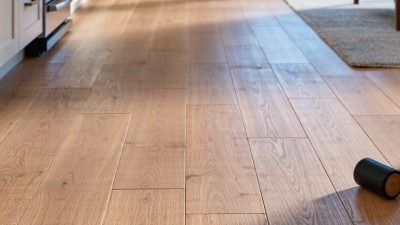
Interlocking Click Lock SPC Vinyl Flooring offers a practical balance of style, durability, and installation convenience for modern interiors. Made from stone-plastic composite material, SPC6009 provides a stable and resilient surface that suits living rooms, bedrooms, kitchens, hallways, and other frequently used areas. Its clean appearance can complement a wide range of decorative styles, from contemporary spaces to warmer, more traditional interiors.
Designed to resist everyday moisture, wear, and stains, this flooring is waterproof and easy to maintain. A UV protective layer helps improve surface durability and supports long-lasting color and performance under normal indoor use. Routine cleaning usually requires only sweeping, vacuuming, or wiping with a slightly damp mop, making it a suitable option for busy households and commercial environments.
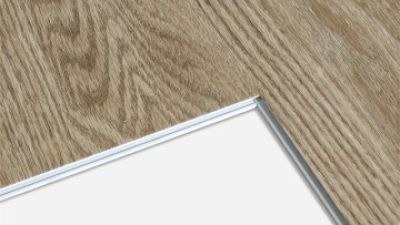
The click-lock construction makes installation straightforward and efficient. Individual planks connect securely through an interlocking system, eliminating the need for glue and reducing mess during the installation process. With proper preparation of a clean, dry, and level subfloor, the planks can be fitted accurately for a neat finished surface. This practical installation method also makes repairs or plank replacement more manageable when necessary.
Click-lock boards install faster and allow limited plank replacement later. They suit many rooms. Glue-down systems can improve stability in large spaces. They need careful adhesive coverage and longer preparation.
Keep it clean, dry, firm, and reasonably flat. Use a two-metre straightedge to find ridges. Test concrete for moisture and patch damaged areas. Secure loose timber boards and sand high spots.
Check whether the flooring already has an attached layer. Adding incompatible underlayment can make joints flex or separate. I once assumed extra cushioning was helpful. It was not.
Follow the stated acclimation period when the instructions require it. Keep the room within the recommended temperature range. This feels slow. It can reduce visible gaps later.
Correct uneven areas before laying boards. Avoid forcing click-lock joints. Maintain consistent expansion gaps around walls, cabinets, and door frames. Inspect every row before continuing.
Request current test reports, not only product labels. Check volatile organic compound limits, formaldehyde results, slip resistance, and fire performance. Requirements vary by country and room use.
Confirm approval for wet areas and underfloor heating. A stable-looking sample proves little. Moisture, temperature, and subfloor movement still matter. Qualified measurement is safer.
Examine the core, locking joints, surface coating, and dimensional stability. Drag a chair leg across a sample carefully. Use a soft broom and damp mop. Avoid standing water and steam unless permitted.
Review coverage length, commercial limits, fading rules, moisture exclusions, and repair duties. Confirm whether receipts and installation records are required. Keep spare planks from the same batch. Matching replacements may be difficult later.
Choosing Spc Hybrid Flooring in 2026 requires more than selecting an attractive design. Start by understanding its multi-layer construction, including the rigid core, decorative layer, protective wear layer, and backing. Consider the room’s moisture levels, traffic, temperature changes, and noise requirements to determine the appropriate performance level. Compare available thicknesses, wear-layer ratings, core stability, and surface finishes, while selecting colors and textures that suit the room’s lighting and overall style.
Installation details are equally important. Check whether the flooring uses a reliable click-lock system, whether underlayment is included or required, and whether the subfloor is clean, level, dry, and structurally sound. Before purchasing, review slip resistance, indoor air quality information, fire and safety standards, maintenance instructions, expected service life, and warranty conditions. A careful evaluation of these factors will help you choose Spc Hybrid Flooring that offers balanced durability, comfort, visual appeal, and practical long-term value.