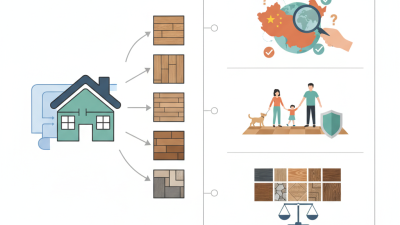
Picking the right materials for your project really matters, you know? Take Plastic Planks, for example—they're popular because they're tough and pretty flexible. You can use them in so many ways, like for decks or fences. But here’s the thing: not all plastic planks are the same. Some are better quality than others.
When you're choosing plastic planks, keep an eye on things like what they're made of, their color, and size. Some brands might have better UV protection or be more resistant to weight, which really makes a difference over time. Honestly, it’s easy to overlook those stuff, but trust me, they can totally affect how long your project lasts and how good it looks.
It’s worth talking to trusted companies like Everwood—they really know their stuff. They can help you pick out the right kind of plastic planks that suit your needs. And hey, don’t feel pressed to rush into it. Take your time, think about what you really need, and consider the environment those materials will be exposed to. Better to get it right the first time, right?
Understanding Different Types of Plastic Planks Available in the Market
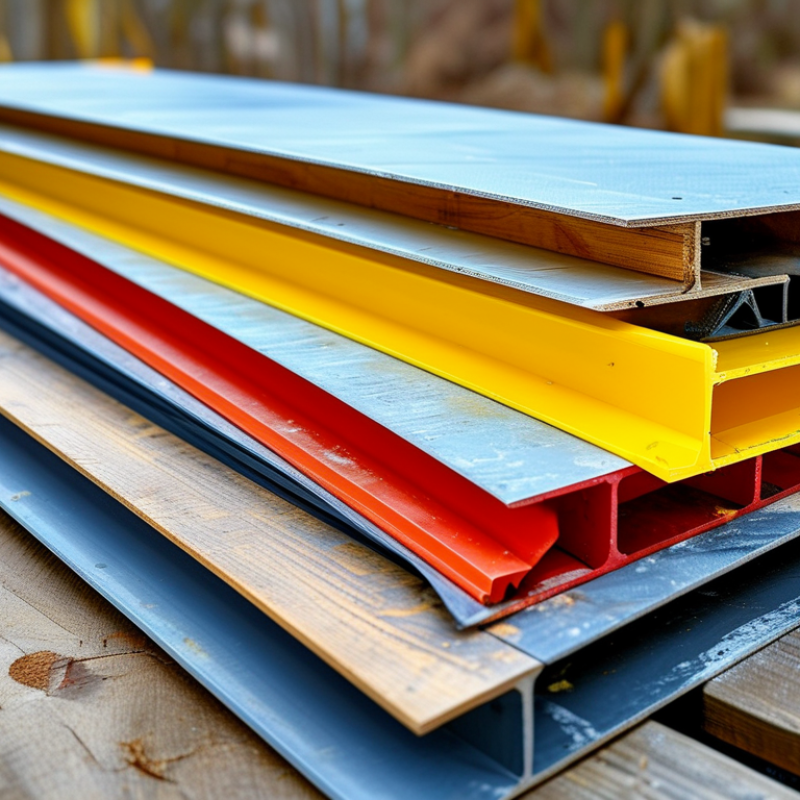
When considering plastic planks for your projects, understanding the various types available is essential. The market offers several options, including PVC, polyethylene, and composite materials. According to industry reports, PVC planks are popular due to their resilience and low maintenance requirements. They can withstand harsh weather conditions, making them suitable for outdoor applications. A notable report highlights their lifespan, which can exceed 25 years with proper care.
Polyethylene planks, on the other hand, are lighter and often used for temporary structures or events. They are recyclable and have a lower environmental impact. This type offers flexibility but may not last as long as PVC. Research indicates that composite materials, which blend plastic and wood fibers, provide a more natural appearance. However, they can be more expensive and may require specific maintenance. Choosing the right material depends on your project needs and budget.
While evaluating these options, consider factors such as durability, aesthetic appeal, and environmental impact. The decision-making process can be overwhelming, as different planks serve various purposes. Take time to assess what works best for your situation. Balancing cost against quality is crucial. Trust reliable sources and industry data while making your selection. It’s wise to seek expert opinions, especially when navigating new materials.
Evaluating the Strength and Durability of Plastic Planks
When selecting plastic planks for your project, evaluating strength and durability is crucial. Look for materials that can withstand varying weather conditions. UV resistance is important; it prevents fading and degradation over time. High-impact strength ensures the planks won’t crack easily during heavy use. Consider the thickness of the planks. Thicker planks generally offer better strength, but they might be heavier and more difficult to install.
Testing the longevity of plastic planks is vital. Some materials can warp or become brittle with age. Pay attention to manufacturer warranties, as they often reflect the expected durability. Real-world reviews can provide insight into how various types of plastic perform under stress. Look for feedback on maintenance; some may require more effort to keep looking new.
Deciding between cost and quality can be challenging. Cheaper options might save money now but could lead to higher costs later due to replacements. Balance your budget with the need for durable materials. Reflect on your project requirements. Will you be using the planks in a high-traffic area? Are they exposed to harsh conditions? These factors will guide you in choosing the best plastic planks.
Assessing Environmental Impact and Sustainability of Plastic Materials
When considering plastic planks for your project, the environmental impact plays a crucial role. Many plastic materials are derived from fossil fuels, which raises sustainability concerns. The energy used to produce them can contribute to greenhouse gas emissions. It is essential to weigh the benefits against these environmental costs.
Recycled plastics offer a more sustainable alternative. Using recycled materials can significantly reduce the amount of waste in landfills. However, not all recycled plastics are created equal. Their quality can vary, and some may not be suitable for all applications. Understanding the source and processing methods is vital.
Another factor to consider is the lifespan of the product. Plastic planks can last for many years, reducing the need for frequent replacements. Yet, the disposal of these materials at the end of their life cycle poses a challenge. Exploring biodegradable options might be worth the effort. Balancing durability with environmental responsibility demands careful thought and research.
Considering Aesthetic Options and Color Choices for Your Planks
When selecting plastic planks for your project, aesthetics play a crucial role. The right colors and textures can elevate the overall design. According to industry reports, 70% of consumers prioritize appearance when choosing materials. This statistic emphasizes the importance of color choices in plastic planks. You want to harmonize your planks with the surrounding environment for a cohesive look.
Consider popular color trends in the market. Earthy tones like taupe and olive green are gaining traction. They can create a natural, calming ambiance. Bright colors are also appealing for playful spaces, drawing attention and creating energy. Research shows that vibrant hues can enhance a location's appeal, particularly in eco-friendly designs. However, it’s vital to balance these vivid options with muted shades. Too much brightness can overwhelm a space.
Texture is another aesthetic element to ponder. Smooth finishes can lend a modern feel, while textured surfaces offer a more rustic charm. Different textures can influence perception; for example, rougher textures often invite touch and interaction. When choosing Pvc Planks, keep in mind how the colors will age and blend with other elements over time. Not considering the longevity of color can lead to a mismatch later on. Reflect on how your choices serve both current aesthetics and future durability.
Analyzing Cost-Effectiveness and Pricing Variations of Plastic Planks
When analyzing the cost-effectiveness and pricing variations of plastic planks, it’s essential to consider several factors that influence their overall value. Reports indicate that plastic planks can range from $2 to $8 per linear foot. Factors such as material composition and durability significantly affect these prices. High-density polyethylene (HDPE) tends to be on the higher end due to its robust characteristics, while lower-cost options might not withstand the test of time as effectively. Evaluating the life expectancy can help justify the initial expense.
It's important to reflect on the long-term savings generated by choosing the right plastic planks. For instance, a study by the Construction Industry Institute highlights that durability can lengthen the lifespan of plastic planks significantly, ultimately reducing replacement costs and maintenance efforts. Some users may overlook these long-term benefits and focus solely on upfront costs, which could lead to regret down the line.
To optimize project budgeting, consider the installation costs associated with your choice. While plastic planks can be easier to maintain, installation may require specific expertise, which could add to overall expenses. Moreover, ensure that you’re comparing apples to apples; prices can vary based on vendor and local availability. Aligning your project needs with the right material without unnecessary compromises can prevent costly mistakes.
Identifying Specific Applications: When to Use Plastic Planks
Choosing the right plastic planks is essential for various applications. Understanding specific scenarios where these planks excel is crucial. For instance, in outdoor constructions like decks and patios, plastic planks provide excellent resistance to moisture and insects. According to industry reports, these materials show a lifespan improvement of 25% over traditional wood alternatives in harsh climates.
In residential settings, plastic planks work well for landscaping and garden borders. They maintain color and integrity despite exposure to UV rays and rain. A report from the American Society of Landscape Architects highlights that homeowners report lower maintenance costs with plastic materials by up to 30%. This metric is compelling for anyone considering outdoor projects.
Before purchasing, consider the thickness and density of the plastic planks. Thicker planks typically offer better durability. Evaluate potential weight loads to ensure stability. Additionally, always look for planks with UV additives for better longevity. Remember, while plastic planks are durable, they may not suit every project. A careful assessment of environmental factors is necessary to select the best materials for your needs.
How to Choose the Best Plastic Planks for Your Project?
| Application |
Ideal Thickness (inches) |
Common Materials |
Durability |
Cost Range ($ per plank) |
| Decking |
1.0 - 1.5 |
PVC, Composite |
High |
10 - 30 |
| Fencing |
0.75 - 1.25 |
HDPE, Vinyl |
Medium |
15 - 35 |
| Garden Borders |
0.5 - 1.0 |
Recycled Plastic, PVC |
Medium |
5 - 20 |
| Playgrounds |
1.0 - 2.0 |
Polymer, Composite |
High |
20 - 50 |
| Siding |
0.5 - 1.0 |
Vinyl, Fiber-Reinforced |
High |
10 - 25 |
Tips for Installation and Maintenance of Plastic Planks
When working with plastic planks, understanding installation and maintenance is key for longevity. Proper installation is crucial; it can prevent issues that stem from improper alignment. The average lifespan of plastic planks is about 25 years, but inadequate installation can decrease this significantly.
Start with a clean, level surface. This ensures better adhesion and support. Use spacers to allow for expansion. According to industry reports, nearly 30% of installation failures are due to incorrect spacing. Ensure you follow the manufacturer guidelines for placement and securing the planks.
Regular maintenance helps sustain the quality of your plastic planks. Clean them regularly using mild detergents and avoid harsh chemicals that could damage the surface. Despite their durability, scratches may occur. Address these promptly to maintain the appearance. It’s insightful to conduct an annual check for signs of wear or fading. While plastic planks are resistant to moisture, moisture buildup can affect their durability. Aim for proper ventilation in areas prone to humidity.
Revamping Modern Interiors: A Comprehensive Guide to GES6021 SPC Flooring for Stylish Homes
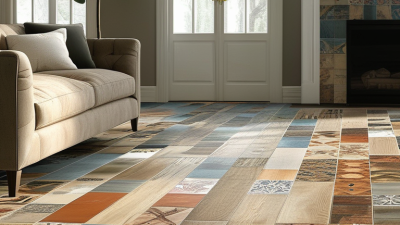
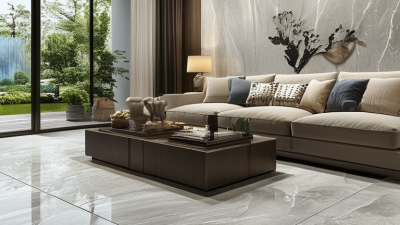
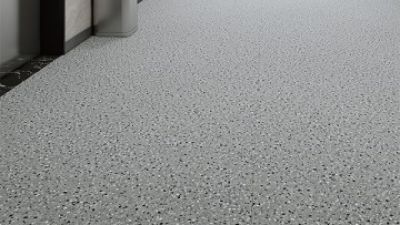
Revamping modern interiors with GES6021 SPC flooring offers a transformative approach to stylish home design. This innovative flooring solution features a remarkable ability to mimic the aesthetic appeal of natural wood grains, elegant stone patterns, and sleek concrete textures. According to industry reports, the global market for SPC (Stone Plastic Composite) flooring is experiencing significant growth, driven by its versatility and resilience, making it an ideal choice for contemporary interiors. The SPC flooring not only enhances the visual appeal of any space but also excels in functionality with its waterproof and durable properties.
As minimalism and industrial design continue to dominate trends in home aesthetics, GES6021 SPC flooring provides a seamless integration into various design schemes. Its design capabilities align perfectly with the contemporary pursuits of homeowners who favor a clean and sophisticated look. The adaptability of SPC flooring allows it to cater to diverse personal tastes while ensuring a stylish ambiance. Furthermore, leading manufacturers focus on delivering high-quality products that maintain these aesthetic and functional standards, ensuring that every home can achieve its desired style without compromise.
FAQS
: Aesthetics greatly influence design. About 70% of consumers prioritize appearance when selecting materials.
Earthy tones like taupe and olive green are popular. Bright colors can energize spaces but should be balanced.
Smooth finishes provide a modern look. Textured surfaces offer rustic charm, inviting touch and interaction.
Prices can range from $2 to $8 per linear foot, influenced by material and durability.
Durable plastic planks can reduce replacement costs and maintenance over time, offering better value.
Installation may require specific expertise. Assess these costs to avoid unexpected expenses later.
Yes, but too much brightness can overwhelm a space. Aim for a balanced color palette.
Consider the material composition. High-density options often last longer than cheaper alternatives.
Don’t focus solely on upfront costs. Reflect on long-term benefits to avoid regret later.
Consider how colors will age over time and harmonize with other elements in your space.
Conclusion
When choosing the best plastic planks for your project, it is essential to understand the various types available in the market. Each type offers different strengths and durability levels, which can significantly impact the performance of your project. Aspects such as environmental impact and sustainability are also crucial, as eco-friendly options are increasingly preferred. Additionally, aesthetic choices, including color variations, can enhance the visual appeal of your work.
Cost-effectiveness is another important factor to consider, as pricing can vary widely among plastic planks. Identifying specific applications is vital to determine when plastic planks are most suitable, whether for decking, fencing, or other uses. Finally, proper installation and maintenance tips will ensure your plastic planks perform optimally over time. By considering these factors, you can make an informed decision that best fits your project requirements.