China’s vinyl flooring industry? It’s come a long way. What used to be mostly low-cost production has turned into a pretty technically capable supply base.
A lot of factories now make Vinyl Flooring Planks for homes, commercial spaces, and hospitality projects around the world. Their facilities might include automated coating lines, precision embossing equipment, and even lab testing rooms. But—and this is important—factory size alone doesn’t prove a product is reliable.
This guide looks at ten leading Chinese manufacturers through practical buyer criteria. Things like product consistency, wear-layer thickness, dimensional stability, click-lock accuracy, and how realistic the surface looks. We also consider factory experience, export performance, quality certifications, and how fast they respond during sampling. A dependable supplier should give you clear technical sheets, test reports, installation guidance, and batch info you can trace. Small details matter. If plank edges are uneven, installation can drag. Weak locking systems? They can leave visible gaps after seasonal movement.
The selection isn’t based just on who’s popular online. It reflects manufacturing capability, market reputation, product range, and the evidence international buyers can actually access. Independent verification still matters. A polished website can hide production limits, while a less famous factory might offer stronger technical support. Worth remembering. No ranking can replace a sample inspection, factory audit, or contract review.
The companies discussed here serve different market positions, from cost-focused projects to premium resilient flooring. Before deciding, compare core construction, warranty terms, packaging quality, and compliance documentation. Local building requirements deserve attention too. This overview is meant to support informed sourcing, not push one universal choice.
China’s vinyl plank market is moving beyond basic cost competition. SPC flooring leads many production lines because its stone-plastic core offers strong dimensional stability and moisture resistance. Factories are improving click profiles, embossing depth, and surface wear layers for commercial interiors. Vinyl Flooring Planks Click Lock systems now receive closer attention during factory audits. Small profile errors can create visible gaps after installation.
LVT remains important for hotels, apartments, and retail spaces. Its flexible structure supports detailed wood and stone visuals, while digital printing expands design choices. Production trends show stronger demand for phthalate-compliant formulations, recyclable packaging, and lower-emission adhesives. However, product claims still require verification. Buyers should request test reports, batch samples, and installation trials before comparing the top ten manufacturers.
WPC occupies a practical middle position. Its foamed core can improve underfoot comfort and acoustic performance, especially in residential projects. Yet, excessive softness may affect furniture-load recovery. That trade-off deserves scrutiny. Experienced buyers should inspect locking strength, core density, color consistency, and dimensional change after heat exposure. Reliable suppliers usually explain their testing methods clearly and provide traceable production records. Factory visits also reveal details that catalogs hide, such as dust control, packaging protection, and operator training. The ranking is never fixed. It changes with technology, quality control, and regional demand.
Ranking the top ten vinyl flooring plank manufacturers requires more than factory photographs. I examined production capacity, technical records, and consistent delivery performance. Capacity matters because large projects may require thousands of Flooring Planks within tight schedules. However, a large factory does not automatically produce better flooring.
Certifications formed a practical checkpoint. I looked for relevant product testing, environmental documentation, and quality management systems. Documents were checked against product specifications, not accepted blindly. Export reach also revealed useful evidence. Manufacturers serving multiple regions usually understand packaging rules, climate differences, and installation expectations. Shipment records, container loading photos, and repeat orders provided stronger clues than advertising claims.
Quality control data carried the greatest weight. I considered thickness tolerance, wear-layer measurements, dimensional stability, locking strength, and color consistency. Random inspection reports were more convincing when they included dates, batch numbers, and rejected quantities. A reliable factory should explain what happened after a failed test. That detail matters.
Still, this method has limits. Public data can be incomplete, and capacity figures may reflect maximum output, not daily production. A factory visit may also show its best production line. Buyer feedback, follow-up audits, and sample testing remain necessary. The ranking therefore rewards verified performance, not impressive promises. Small variations can become visible under bright retail lighting. 恒一
When comparing China’s top ten vinyl flooring plank manufacturers, buyers should start with measurable construction, not catalogue images. The practical SPC range is 4–6 mm overall thickness, combining a rigid stone-polymer core, printed film, wear layer, and backing. Grand View Research reports continued growth in global luxury vinyl flooring, driven by residential renovation and commercial replacement demand. That growth has also increased pressure to verify specifications.
For Pvc Planks, a 0.3 mm wear layer suits light residential rooms, while 0.5 mm offers better protection in kitchens, corridors, and rental properties. A 0.7 mm layer is more suitable for busy retail or hospitality areas, but it does not solve every failure. ISO 10582 testing covers dimensions, flexibility, residual indentation, and wear performance for resilient floor coverings. Buyers should request test reports, batch records, and abrasion results from independent laboratories.
Thickness needs context. A 6 mm plank can feel stable underfoot, yet poor click geometry may create gaps. A 4 mm product may perform well on a flat, properly prepared subfloor. This is where supplier comparisons become less comfortable. Factory claims can look precise, but actual measurements may vary slightly between production batches. Check plank thickness with a calibrated micrometer, inspect locking edges, and test 10–20 samples. The best supplier is not simply the one offering the thickest SPC board. It is the one that documents consistency.
| Manufacturer Profile | SPC Plank Thickness | Wear Layer | Typical Plank Size | Core Construction | Surface Finish | Installation System | Commercial Use Class | Common Compliance References | OEM / Export Capability |
|---|---|---|---|---|---|---|---|---|---|
| Manufacturer Profile 01 | 4.0–6.0 mm | 0.3–0.7 mm | 1220 × 180 mm | Rigid PVC with calcium-carbonate stabilizer | UV-cured polyurethane coating | Angle-angle click | Class 33 | EN 16511; ISO 10874; REACH | Private label, custom packaging, container export |
| Manufacturer Profile 02 | 4.5–5.5 mm | 0.3–0.5 mm | 1220 × 183 mm | Stone-polymer composite core | Embossed-in-register texture | Drop-lock click | Class 32–33 | ASTM F3261; ASTM F1700; phthalate limits | OEM color matching and mixed-SKU loading |
| Manufacturer Profile 03 | 4.0–5.0 mm | 0.3–0.5 mm | 1219 × 184 mm | Extruded rigid PVC composite | Matte or low-gloss urethane finish | Unilin-type mechanical locking profile | Class 32 | ISO 10582; ISO 23999; EN 14041 | Standard collections and project-based production |
| Manufacturer Profile 04 | 5.0–6.0 mm | 0.5–0.7 mm | 1520 × 228 mm | High-density SPC rigid core | Deep wood embossing with ceramic-bead coating | Angle-drop locking system | Class 33 | EN 16511; ISO 10874; formaldehyde emission testing | Large-format plank and contract flooring supply |
| Manufacturer Profile 05 | 4.5–6.0 mm | 0.3–0.7 mm | 1220 × 228 mm | Rigid PVC core with attached IXPE underlayment | Textured matte finish | Fold-down click | Class 33 | ASTM F3261; ASTM F925; FloorScore-type testing | Retail programs, private label, carton customization |
| Manufacturer Profile 06 | 4.0–5.5 mm | 0.3–0.5 mm | 914 × 152 mm | Compact SPC core for residential applications | Registered wood texture and UV topcoat | Angle-angle click | Class 31–32 | ISO 10582; ISO 10874; REACH | Residential collections and sample development |
| Manufacturer Profile 07 | 5.0–6.0 mm | 0.5–0.7 mm | 1524 × 228 mm | Reinforced stone-polymer composite core | Heavy-duty commercial polyurethane finish | Drop-lock or angle-drop options | Class 33 | EN 16511; ISO 23999; slip-resistance testing | Commercial projects and long-plank OEM programs |
| Manufacturer Profile 08 | 4.0–5.0 mm | 0.3–0.5 mm | 1220 × 180 mm | Standard rigid PVC and mineral-filled core | Embossed matte surface | Unilin-type click profile | Class 32 | ASTM F3261; ISO 10874; VOC emission testing | Cost-focused export series and flexible MOQs |
| Manufacturer Profile 09 | 4.5–5.5 mm | 0.3–0.7 mm | 1219 × 178 mm | Water-resistant SPC core with balancing layer | Low-gloss embossed finish | Angle-angle or fold-down click | Class 32–33 | ISO 10582; EN 14041; REACH | Water-resistant flooring projects and OEM cartons |
| Manufacturer Profile 10 | 5.0–6.0 mm | 0.5–0.7 mm | 1520 × 230 mm | High-density mineral-reinforced SPC core | Synchronized texture with anti-scratch topcoat | Heavy-duty drop-lock system | Class 33 | EN 16511; ISO 10874; ASTM F3261 | Premium OEM collections and hospitality projects |
Note: The specifications shown are representative product ranges commonly used by Chinese SPC flooring manufacturers. Exact construction, certifications, tolerances, minimum order quantities, and test results should be confirmed with the selected supplier before purchase.
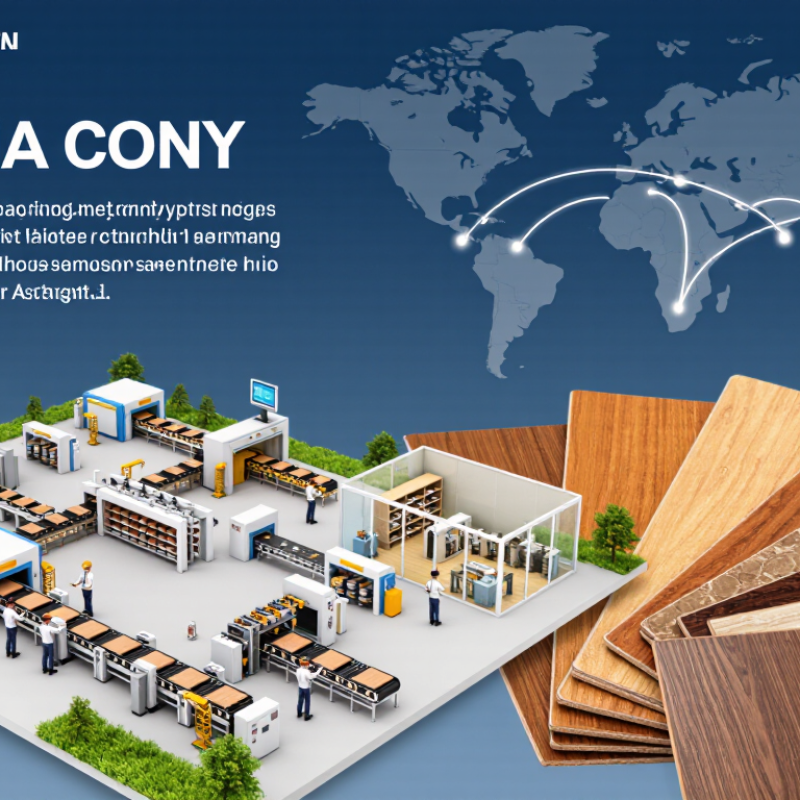
China’s top ten vinyl flooring plank manufacturers are spread across major production clusters in Jiangsu, Zhejiang, Anhui, and Shandong. Their factories commonly combine stone-plastic composite extrusion, calendaring, printing, embossing, and UV coating. Several operate multiple production lines, with reported annual capacities ranging from about 2 million to over 8 million square meters. These figures require verification because installed capacity does not always equal actual output.
The strongest factory profiles show clear specialization. Some focus on click-lock SPC planks for residential renovations, while others produce dryback LVT for hotels, offices, and retail spaces. A few maintain separate lines for wood-look, stone-look, herringbone, and extra-wide formats. Better facilities use automated mixing systems, temperature-controlled extrusion, abrasion testing, and dimensional stability checks. I would also inspect plank samples under strong light. Small color shifts can appear after installation.
Factory reliability depends on more than machinery. Export experience, carton protection, moisture control, and batch traceability matter during long-distance shipping. Several manufacturers offer private tooling, custom embossing, and low-volume trial orders, but minimum quantities vary widely. Some factories look efficient during a scheduled tour yet provide limited evidence of continuous quality control. That is a weakness worth noting. Buyers should compare recent inspection records, test reports, production videos, and delivered samples before ranking the ten manufacturers. No factory performs equally well across every product line.
A useful comparison should examine more than catalogue photos. For ten shortlisted Chinese manufacturers, request factory prices by thickness, wear layer, backing, and surface finish. Indicative export prices often range from US$8 to US$18 per square meter, but packaging and freight can change the real cost. MOQ commonly falls between 500 and 2,000 square meters. Ask whether mixed colors are allowed.
Lead time deserves careful checking. Standard orders may ship within 15 to 35 days after deposit and artwork approval. Custom embossing or special colors can add two weeks. Confirm production capacity during peak seasons. A delayed container can cost more than a small price difference. It happens.
Warranty terms should state residential and commercial coverage separately. Check exclusions for moisture, subfloor movement, installation errors, and fading. A ten-year warranty means little without a written claims process, batch records, and replacement-stock policy. Request recent ASTM test reports, not only certificates. Useful references may include ASTM F1700, ASTM F137, ASTM F925, ASTM F970, and ASTM E648, depending on the product and application. Verify thickness, dimensional stability, slip resistance, fire performance, and chemical resistance through an independent laboratory when the project is critical. ASTM data can reveal weaknesses that marketing samples hide. I would keep every quotation, sample approval, and test report together. This creates a dependable audit trail, although it still cannot replace an independent factory inspection.
China’s top vinyl flooring plank manufacturers should be judged by documented compliance, not product photos alone. For Wood Planks, ask whether the core, wear layer, backing, and printed film are covered by consistent test reports. ISO 10582 evaluates resilient floor coverings, including dimensional stability, thickness, and wear performance. These details matter when planks face rolling chairs, sunlight, and repeated cleaning.
EN 14041 supports essential safety declarations for floor coverings sold in relevant European markets. Check reaction to fire, slip performance, electrical behavior, and formaldehyde emissions where applicable. REACH documentation should identify substances of very high concern and show how restricted chemicals are controlled. Phthalate limits deserve closer attention. In plasticized flooring, DEHP, DBP, BBP, and DIBP are generally restricted to 0.1% by weight in applicable consumer products under EU rules. Confirm the exact product category and destination market.
Request recent third-party reports, batch numbers, laboratory methods, and a signed declaration of conformity. A reliable factory should explain what happens when a result fails, not simply send a polished certificate. Factory audits can reveal separate storage areas, calibrated testing equipment, and traceable raw-material records. I would still retest production samples.
Certificates can age.
Formulas can change.
Selecting among China’s leading vinyl flooring plank manufacturers requires more than comparing catalogs and prices. A factory audit should examine production lines, raw material storage, worker training, quality records, and shipment history. Ask to see recent inspection reports, not prepared samples. A glossy showroom is not evidence. I have found that clean storage areas often reveal more than polished offices.
Customization should be discussed in measurable terms. Confirm plank dimensions, wear-layer thickness, embossing depth, locking profile, color tolerance, packaging, and minimum order quantities. Request a signed specification sheet before tooling begins. Sample approval should include lighting conditions and batch references. Small details matter.
Testing should cover abrasion resistance, dimensional stability, slip performance, sound, and emissions required in the target market. Independent laboratory reports are more reliable than internal claims, though even they need checking. Compare test dates, product codes, and tested construction. No audit catches every weakness. That is worth admitting.
After-sales service shows how a manufacturer handles pressure. Require a clear process for complaints, replacement materials, technical guidance, and response times. Ask whether they retain production samples for each batch. When a plank fails after installation, photographs alone may not identify the cause. A dependable supplier should review installation conditions, subfloor moisture, and batch records before assigning responsibility. Some buyers overlook this step. They should not.
Click-lock SPC flooring is gaining attention in apartment and mall projects as developers seek durable surfaces that combine efficient installation with attractive design. Grand View Research reports that the global luxury vinyl tiles market was valued at approximately USD 20.97 billion in 2023 and is expected to expand at a compound annual growth rate of about 7.7% from 2024 to 2030. This growth reflects rising demand for resilient flooring in both residential renovations and commercial interiors, where installation speed, maintenance, and visual consistency are important project considerations.
Mordor Intelligence also identifies continued expansion in the luxury vinyl flooring sector, forecasting a compound annual growth rate of around 8.9% between 2024 and 2029. For apartment corridors, retail environments, and mall units, click-lock SPC flooring can help simplify installation while offering stable, easy-care performance. The GES6017 design supports varied European interior preferences by reproducing natural wood grains, refined stone patterns, and contemporary concrete textures. Its visual flexibility suits minimalist apartments, industrial-style retail spaces, and more decorative commercial settings, allowing one flooring solution to coordinate with different furniture, lighting, and architectural concepts.
Its stone-plastic core provides strong dimensional stability and moisture resistance. It handles demanding interiors. Factories also improve click profiles, embossing depth, and wear layers.
LVT suits hotels, apartments, retail spaces, and other design-focused interiors. Its flexible structure supports detailed wood and stone visuals. Digital printing expands available patterns.
Inspect locking strength, profile accuracy, and plank alignment. Small errors can create visible gaps after installation. A trial installation may reveal problems earlier.
WPC can improve underfoot comfort and acoustic performance. Its foamed core feels softer. However, excessive softness may reduce furniture-load recovery. That trade-off deserves careful testing.
Indicative export prices often range from US$8 to US$18 per square meter. MOQs commonly range from 500 to 2,000 square meters. Packaging and freight can change the actual cost. Ask about mixed colors.
Standard orders may ship within 15 to 35 days after deposit and artwork approval. Custom embossing or special colors can add about two weeks. Peak-season capacity needs confirmation. Delays happen.
Ask for separate residential and commercial coverage. Review exclusions for moisture, subfloor movement, installation errors, and fading. Also request a written claims process and replacement-stock policy. A long warranty alone proves little.
Request recent third-party reports, batch numbers, laboratory methods, and conformity declarations. Relevant references may include ISO 10582, EN 14041, and suitable ASTM methods. Check wear, thickness, slip resistance, fire performance, and dimensional stability. Certificates can age. Formulas can change.
Request samples, quotations, test reports, and traceable production records. Inspect core density, color consistency, packaging protection, and dust control. A factory visit reveals details catalogs hide. I would still retest production samples.
China has become a major production hub for Vinyl Flooring Planks, with manufacturers specializing in SPC, LVT, and WPC products for residential and commercial applications. This article explains how leading suppliers can be evaluated through production capacity, export experience, quality-control systems, certifications, and testing data. It also reviews common specifications, including 4–6 mm SPC thickness and 0.3–0.7 mm wear layers, while comparing product ranges, pricing, minimum order quantities, lead times, warranties, and customization options.
The guide also outlines key compliance considerations, such as ISO 10582, EN 14041, REACH requirements, and phthalate limits. Buyers will learn how to assess factories through on-site audits, sample testing, inspection records, and after-sales support. By comparing technical performance, service reliability, production flexibility, and documentation quality, importers can select a suitable manufacturer and reduce risks when developing flooring projects for different markets.